









Introduction
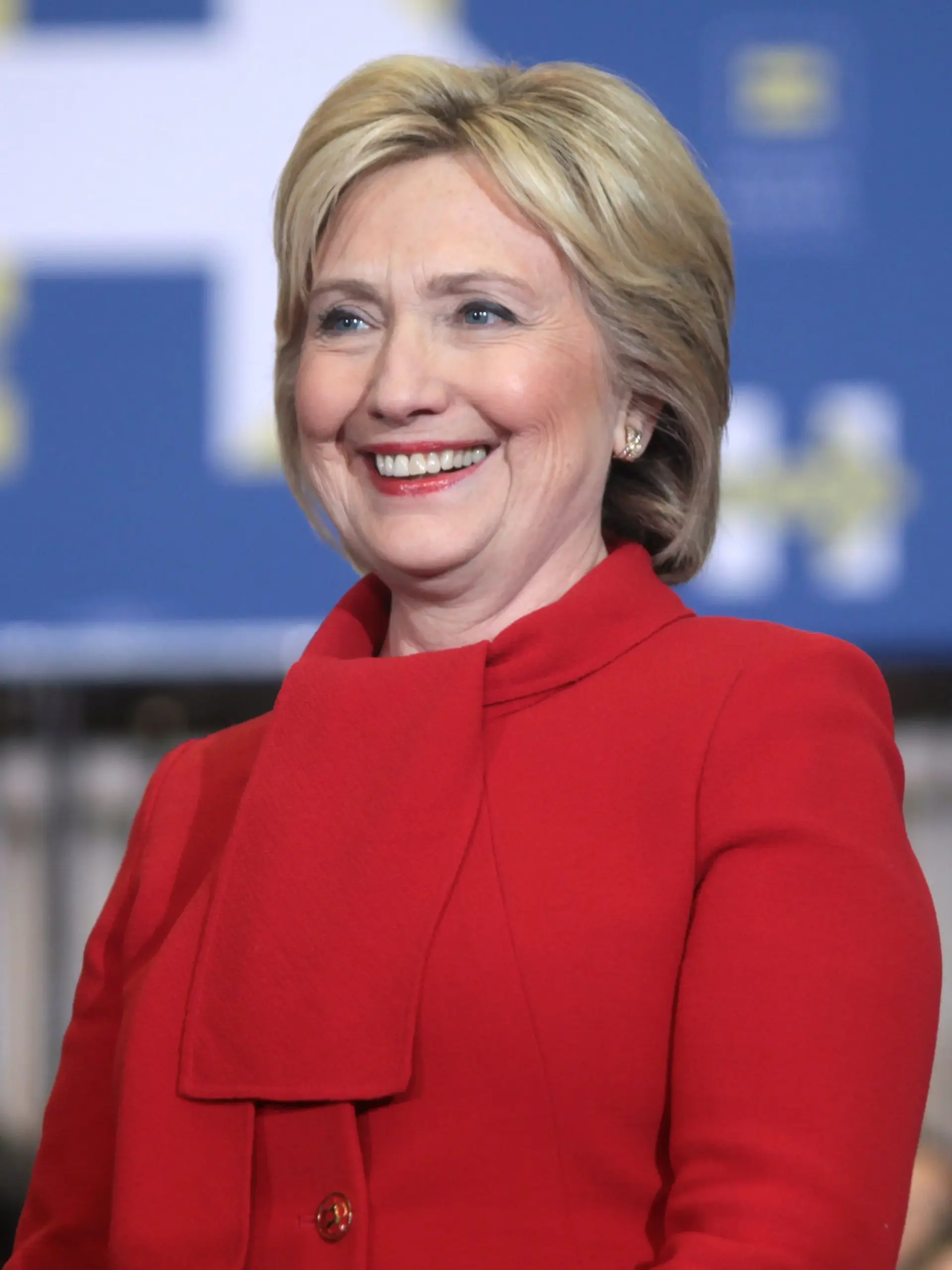
Hilary Clinton remains one of the most prominent figures in American politics. As a former First Lady, U.S. Senator, Secretary of State, and a Democratic presidential nominee, her career has significantly shaped discussions around women in leadership and political engagement. Her continued involvement in political discourse and advocacy makes her a crucial figure to analyse as society navigates the evolving political landscape.
Career Milestones
Born on October 26, 1947, in Chicago, Illinois, Hilary Clinton has enjoyed a long and diverse career in public service and law. After earning her law degree from Yale, she worked on children’s welfare issues and eventually became the First Lady of the United States from 1993 to 2001, during her husband Bill Clinton’s presidency. In this role, she championed health care reform and advocated for women’s rights, earning international recognition.
In 2000, Hilary Clinton was elected as the Senator for New York, where she served until 2009. Her time in the Senate was marked by significant post-9/11 work, particularly focusing on New York City’s recovery and the emerging global threat of terrorism. Following her Senate term, she was appointed Secretary of State by President Barack Obama, advocating for a smart power approach in foreign policy that sought to balance diplomacy and development with defence.
Presidential Campaigns
Hilary Clinton’s bid for the presidency in 2016 marked a historic moment as she became the first woman to be nominated for president by a major political party. Her campaign focused on issues such as healthcare reform, women’s rights, and income inequality. Despite having won the popular vote, she lost the election to Donald Trump, an outcome that stirred significant discussions around sexism, electoral strategies, and the political divide in the United States. Since then, Clinton has remained active in various initiatives aimed at empowering women and addressing global challenges.
Current Activities and Legacy
Even after her presidential bid, Clinton continues to influence political conversations, hosting events and writing extensively about democracy, women’s rights, and future social issues. In recent years, she has expressed concern about the state of U.S. democracy and global affairs, especially in light of the COVID-19 pandemic, climate change, and the rise of authoritarian regimes.
Conclusion
Hilary Clinton’s legacy is intricate and influential, encapsulating the trials and triumphs of a woman who has broken numerous glass ceilings. As we look to the future, her role as a political leader and advocate offers valuable lessons on resilience and advocacy in the face of adversity. Her ongoing commitment to global issues and women’s empowerment will undoubtedly shape generations of leaders.