









The Importance of Immigration Reforms
Immigration has long been a pivotal issue within UK politics, affecting everything from the economy to social cohesion. Recently, Shabana Mahmood, Shadow Chief Secretary to the Treasury, has put forward a series of proposals aimed at transforming the UK’s immigration system. These reforms are particularly relevant in the wake of ongoing debates surrounding Brexit and the country’s post-pandemic recovery strategies.
Proposed Reforms by Shabana Mahmood
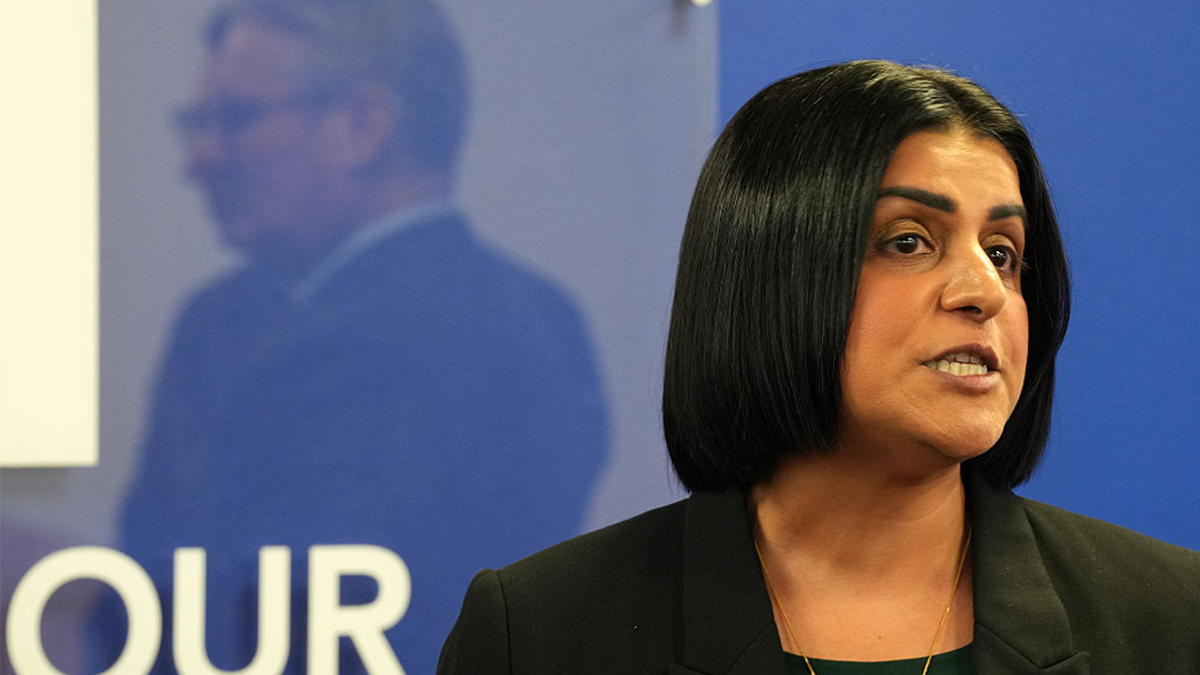
Mahmood’s proposals include prioritising skilled workers while also ensuring that individuals seeking asylum are treated with dignity and respect. Her approach focuses on balancing the needs of businesses for skilled labour with the humanitarian obligations to support refugees. “We must ensure that our immigration system serves both the economy and our values as a society,” Mahmood stated during her latest address to the Labour Party.
One significant aspect of these reforms is the suggestion to streamline application processes for skilled workers, particularly in sectors that are currently suffering from shortages. Mahmood highlights the importance of retaining talent in fields such as healthcare and technology, which are crucial for the UK’s long-term economic growth. Furthermore, she has called for increased support for local councils to better accommodate refugee populations.
Political Context and Reactions
The announcement of these immigration reforms comes amid rising tensions between the Labour Party and the current Conservative government over immigration policy. Critics from the Conservative camp argue that Mahmood’s proposals risk compromising border security, while supporters believe her approach is a sensible way to ensure the UK remains competitive on a global scale.
The public reaction has been mixed, with polls indicating that while many support a more compassionate approach to immigration, others remain concerned about job security and resource allocation. Mahmood’s reforms also reflect a broader shift in public sentiment, where more individuals are calling for a compassionate but practical immigration system.
Conclusion: The Way Forward
The proposed immigration reforms by Shabana Mahmood are significant not only for their potential immediate impacts but also for shaping the future discourse on immigration in the UK. As the country navigates through the complexities of its post-Brexit landscape, these proposals could offer a middle ground that respects both the economy and humanitarian concerns. Moving forward, it will be crucial for policymakers to engage with both the public and stakeholders to ensure that the reforms are effective and beneficial for all parties involved.