









Introduction to Vitamin D
Vitamin D is an essential nutrient that plays a pivotal role in maintaining health and well-being. Recognised for its importance in bone health and immune system function, vitamin D deficiency is a growing concern across various demographics, particularly in regions with limited sunlight. With recent studies showcasing its broader implications on overall health, understanding vitamin D becomes increasingly relevant in today’s health conversation.
Sources and Functions of Vitamin D
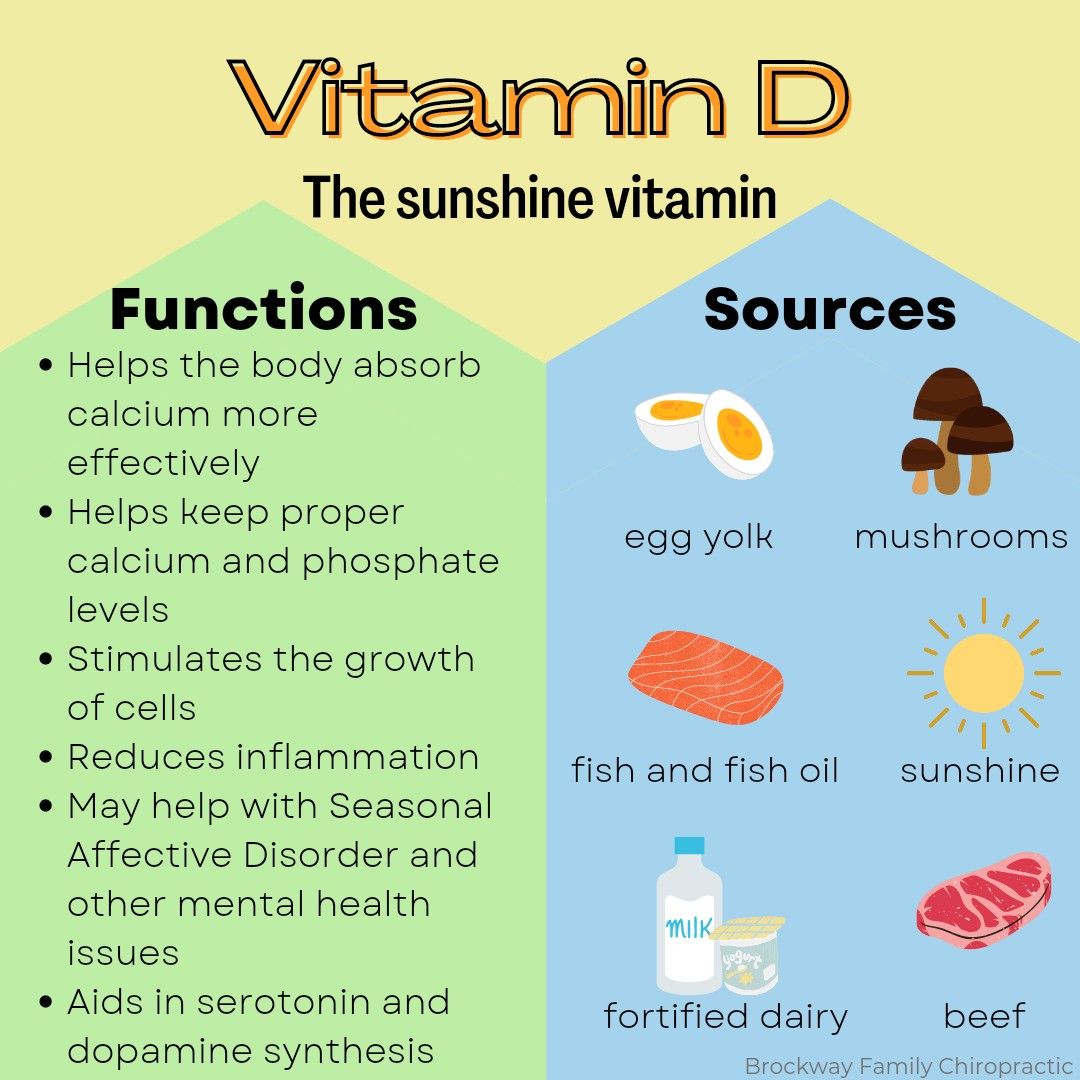
Vitamin D can be obtained through various sources. The primary natural source is sunlight, where UVB rays trigger the skin’s production of vitamin D. Dietary sources include fatty fish, liver, egg yolks, and fortified foods such as milk and breakfast cereals. The recommended daily allowance (RDA) varies, but generally falls between 600 to 800 IU for adults.
Health Benefits
Recent findings highlight several benefits associated with sufficient vitamin D levels. Research indicates that this vitamin not only strengthens bones by aiding calcium absorption but may also reduce the risk of chronic diseases such as heart disease, diabetes, and certain types of cancer. Moreover, studies suggest that adequate vitamin D can bolster immune function, potentially lowering the risk of respiratory infections, a critical consideration during cold and flu seasons.
Current Research and Guidelines
Ongoing research continues to reveal the extensive reach of vitamin D’s health benefits. A notable 2023 study published in the “American Journal of Clinical Nutrition” found that higher vitamin D blood levels are associated with improved mental health outcomes, indicating a possible role in diminishing depression risk. Health organisations, including the National Health Service (NHS), advocate for proactive measures to enhance vitamin D intake, particularly among at-risk groups.
Conclusion and Recommendations
The significance of vitamin D in promoting overall health cannot be overstated. As awareness around its benefits increases, individuals are encouraged to assess their vitamin D levels, especially during winter months. Supplementation may be necessary for those unable to obtain sufficient amounts from sunlight or diet. Tailoring supplementation according to individual health needs and following medical advice could substantially improve health outcomes. The forecast for vitamin D’s influence on public health will likely grow, as further studies emerge, solidifying its critical role in preventive health and disease management.