









Introduction
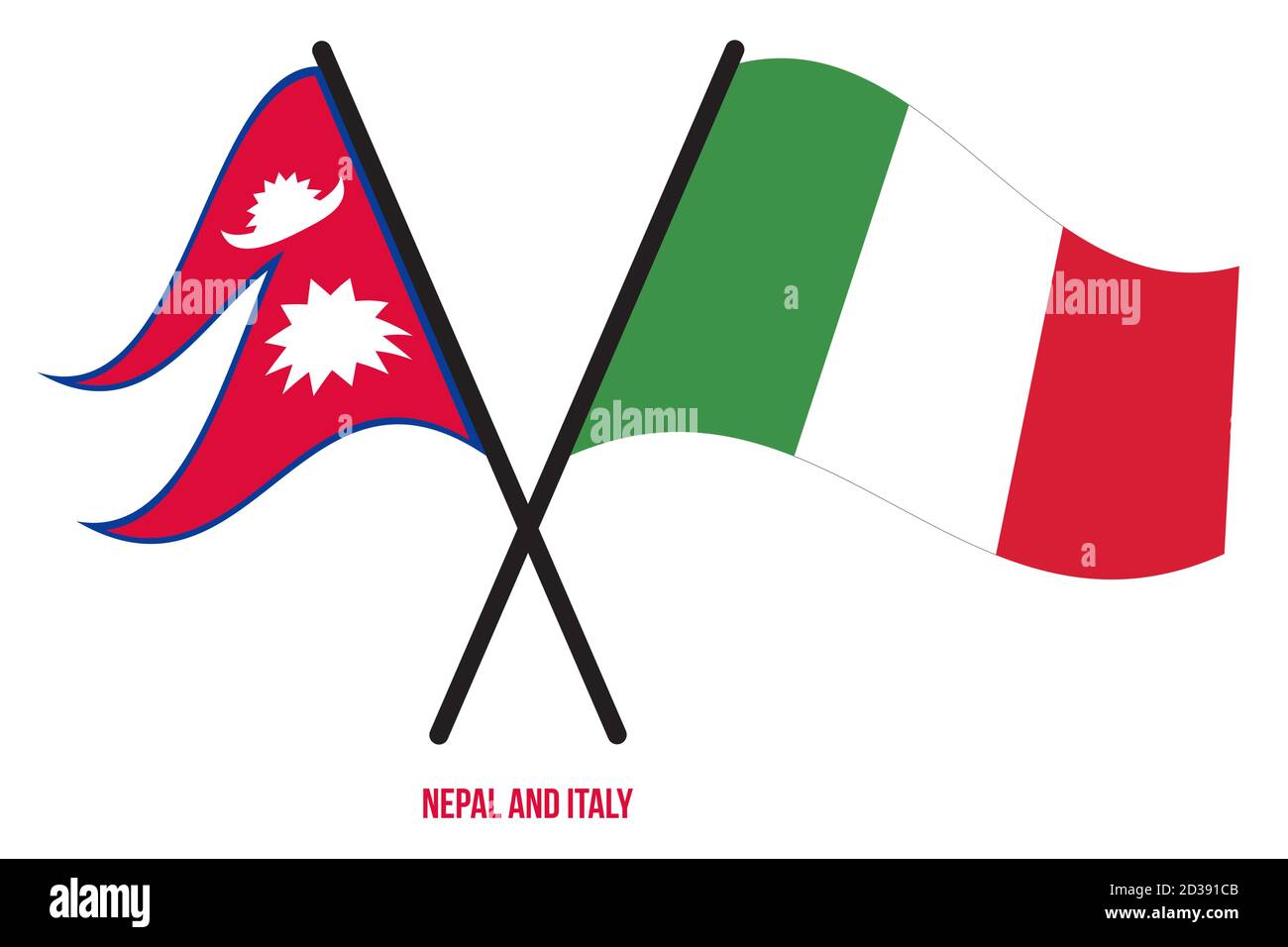
The cultural divide between Nepal and Italy presents a fascinating juxtaposition of lifestyles, traditions, and landscapes. As nations situated at opposite ends of the globe, they offer unique insights into how culture, environment, and history shape societies. Understanding these differences and similarities is essential, especially in our increasingly globalised world.
Geographical and Cultural Overview
Nepal, a landlocked country nestled in the Himalayas, is renowned for its breathtaking mountains, including Mount Everest. Its rich cultural heritage is heavily influenced by Hinduism and Buddhism, manifesting in festivals, art, and architecture. In contrast, Italy, bordered by the Mediterranean, boasts a legacy of art, architecture, and cuisine that has profoundly impacted Western culture. From the Roman Empire to the Renaissance, Italy’s historical significance is immense.
Cuisine: A Culinary Journey
The culinary traditions of Nepal and Italy reflect their respective cultures. Nepalese cuisine, featuring dal bhat, momo, and various curries, is known for using local ingredients and spices that celebrate the region’s agricultural bounty. Meanwhile, Italian cuisine is celebrated globally for its pasta, pizza, and regional specialities like risotto and tiramisu. Each nation’s cuisine tells a story of the land and its people, with Nepal focusing on communal eating and Italy on family meals.
Tourism: A Visitor’s Perspective
When it comes to tourism, both Nepal and Italy offer unique experiences. Adventure seekers flock to Nepal, drawn to trekking and mountaineering in the Himalayas, as well as spiritual tourism in places like Lumbini, the birthplace of Buddha. Italy attracts tourists with its historical cities, art galleries, and romantic landscapes, with destinations like Rome, Florence, and Venice being perennial favourites. Both countries continue to evolve their tourism strategies, especially in the wake of the COVID-19 pandemic.
Conclusion
The contrasts between Nepal and Italy highlight the richness of global culture. While Nepal offers profound spiritual experiences amidst the grandeur of nature, Italy tempts visitors with its historical opulence and culinary delights. As global connections deepen, understanding and appreciating such differences can foster greater cultural appreciation and exchange. The future holds potential for collaborative tourism and cultural programs that celebrate the essence of both countries, creating opportunities for people to learn from each other.