









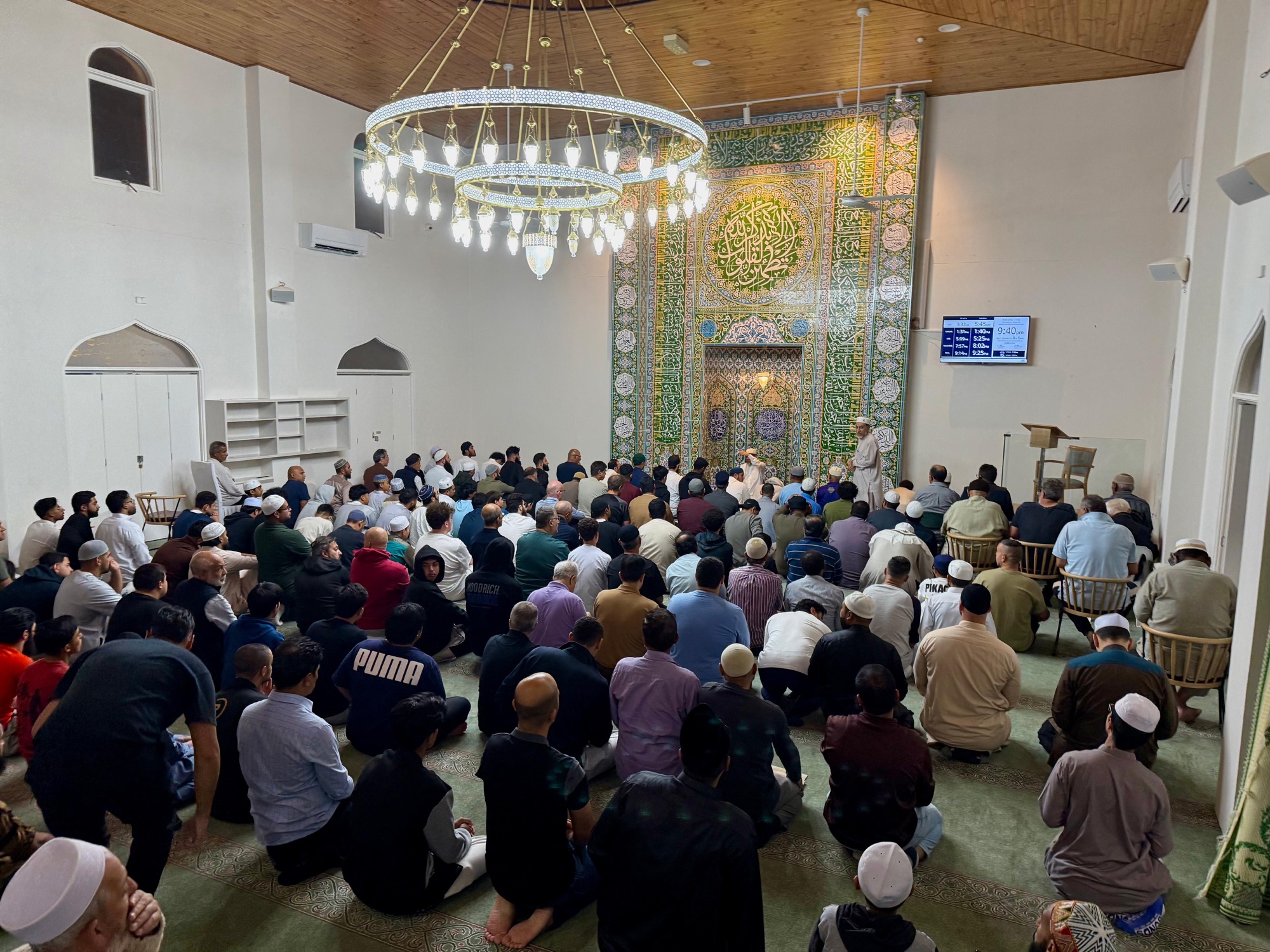
Introduction to Taraweeh Prayer
Taraweeh prayer holds a special place in the Islamic faith, particularly during the holy month of Ramadan. As Muslims around the globe engage in fasting and spiritual reflection, Taraweeh serves as a significant means of worship and connection to their faith. This nightly prayer, performed after the Isha prayer, involves reciting lengthy portions of the Quran, enhancing its importance during this sacred time.
Significance of Taraweeh Prayer
Traditionally, Taraweeh prayer is an opportunity for spiritual growth and community bonding. The prayer is a Sunnah, meaning it is a practice established by the Prophet Muhammad. His practice of Taraweeh has been preserved through generations, and observance signifies following his example. It is believed to be a means of atonement, forgiveness, and a method of gaining rewards in the sight of Allah. During Taraweeh, worshippers often bring their families and communities together in mosques, fostering a sense of unity and shared purpose.
How Taraweeh is Performed
Taraweeh is typically performed in sets of two rak’ahs (units of prayer), with the total number varying by community. Most mosques perform 8 or 20 rak’ahs, with a break in between. It is not obligatory, but highly encouraged, allowing Muslims to choose their level of participation based on their personal circumstances. During Ramadan 2023, many mosques have enhanced their arrangements, with some offering live streaming options for those unable to attend in person due to ongoing health concerns.
Impact and Community Engagement
In recent years, the COVID-19 pandemic had a profound effect on religious observances worldwide. However, as restrictions eased in 2023, thousands of Muslims returned to mosques for nightly Taraweeh prayers, highlighting the prayer’s role in community and faith. Across social media, stories and testimonials inspired many to engage more deeply with their spiritual practices, underscoring the importance of Taraweeh in promoting a sense of belonging and devotion.
Conclusion
The Taraweeh prayer remains a key element of Ramadan observances, fostering unity, spirituality, and a deeper connection to the Quran. As the global Muslim community continues to celebrate this sacred month, the resilience and dedication shown in the practice of Taraweeh highlights its enduring significance. For both participants and onlookers, this prayer serves as a reminder of the values of faith, patience, and communal support that define Ramadan.