









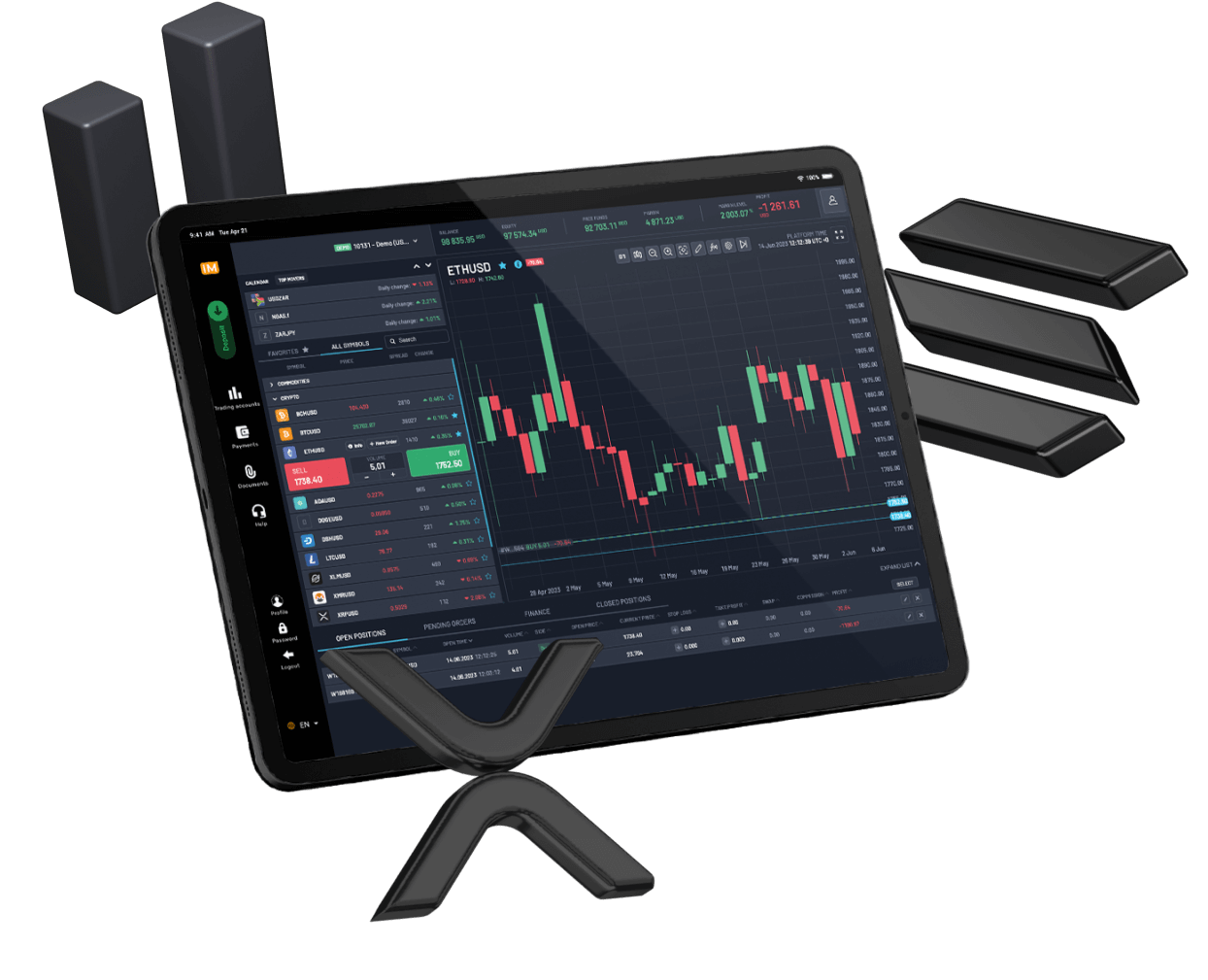
Introduction to Cryptocurrency Trading
Cryptocurrency trading has emerged as one of the most significant financial activities of the 21st century, reflecting the growing adoption of digital currencies. With Bitcoin, Ethereum, and various altcoins gaining traction, the relevance of this topic has surged globally. Recent market fluctuations, regulatory developments, and technological advances underline the importance of staying informed about cryptocurrency trading.
Current Market Trends
As of late 2023, the cryptocurrency market has experienced notable volatility. In the first quarter, Bitcoin reached an all-time high of over £60,000, prompting increased interest from institutional investors. However, this momentum was followed by fluctuations, resulting in a dip that saw Bitcoin trading at approximately £45,000 by mid-Q3. According to data from CoinMarketCap, the market capitalization of cryptocurrencies as a whole stands at around £1.5 trillion.
Decentralised finance (DeFi) continues to be a dominant force within the crypto space, with platforms like Uniswap and Aave facilitating significant trading volumes. Furthermore, non-fungible tokens (NFTs) have captured the attention of both investors and artists alike, contributing to the expansion of digital asset trading.
Regulatory Landscape
Regulatory scrutiny is intensifying worldwide, with governments taking steps to establish frameworks around cryptocurrency trading. In the UK, the Financial Conduct Authority (FCA) has implemented regulations aimed at increasing transparency and protecting investors. While these measures are necessary, they have also led to uncertainty among traders, particularly regarding compliance with new laws and taxation of crypto profits.
Future Predictions
Experts predict that the cryptocurrency trading market will continue to evolve as technology improves and regulations become more defined. Features such as automated trading bots and enhanced security measures are likely to see increased adoption. Furthermore, the rise of central bank digital currencies (CBDCs) could reshape trading dynamics, prompting traditional financial institutions to embrace cryptocurrency.
Conclusion
In conclusion, cryptocurrency trading presents both opportunities and challenges for traders and investors. Staying abreast of market trends, regulatory developments, and technological advancements is crucial for both new and seasoned traders. As the cryptocurrency landscape continues to change, those engaged in trading can expect both risks and potential rewards in equal measure, making it vital to adopt a cautious yet informed approach to investing in this dynamic sector.