









The Importance of Television Technology
Television has been a cornerstone of entertainment and information dissemination since its inception in the early 20th century. With the rapid advancements in technology, the landscape of television continues to evolve, significantly impacting how we consume content. As of 2023, various updates and innovations have made televisions not only smarter but also more integrated into our daily lifestyles.
Recent Developments in TV Technology
This year has seen remarkable progress in television technology. 8K resolution TVs, which offer four times the detail of 4K, are becoming more accessible to consumers. While 8K content is still sparse, the upscaling capabilities of modern televisions are enhancing the viewing experience. Major manufacturers such as Samsung, LG, and Sony are investing heavily in 8K TVs, and early adopters are beginning to showcase their potential during major sporting events.
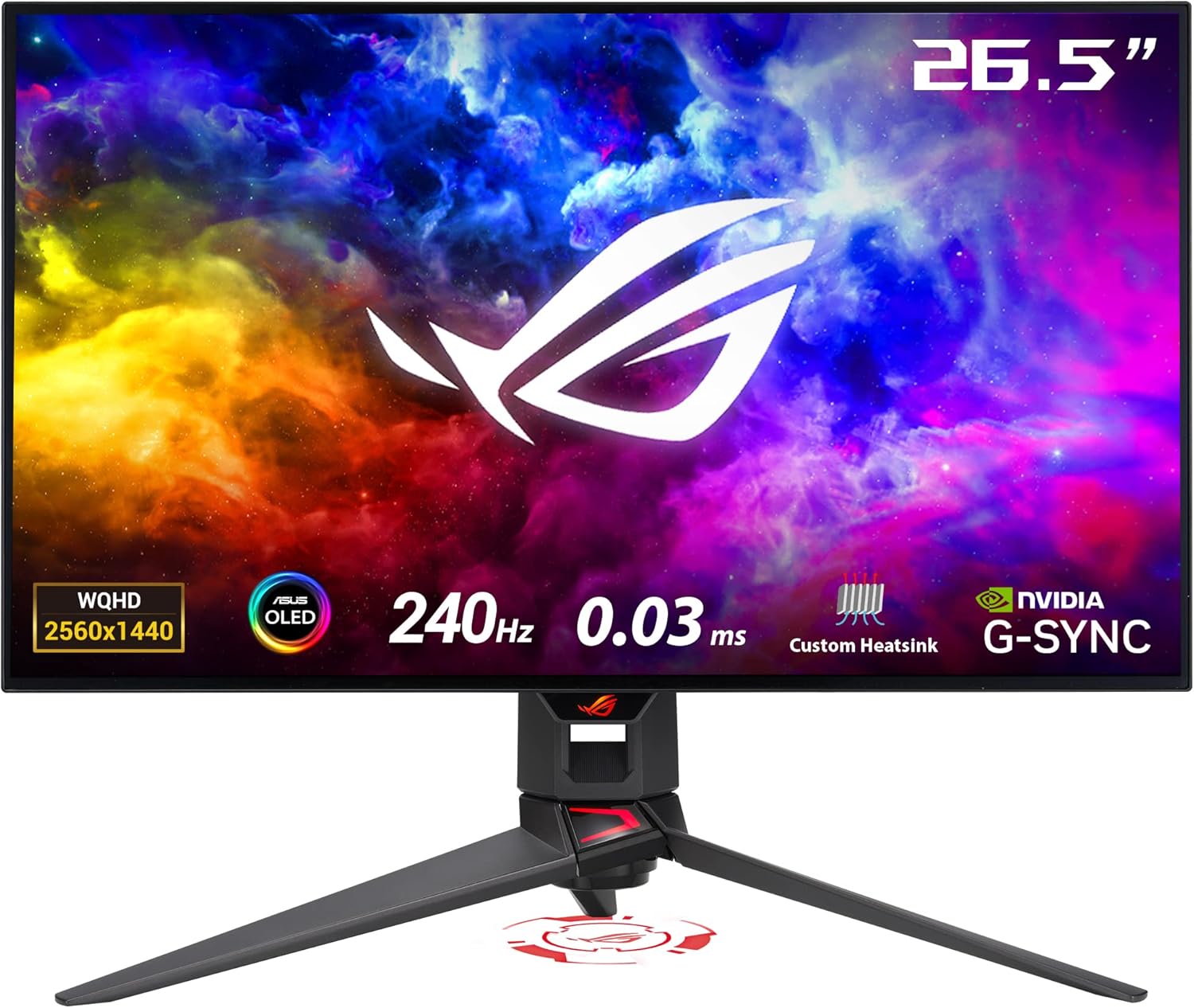
Another pivotal development is the rise of OLED and QLED technologies. OLED (Organic Light Emitting Diode) TVs provide exquisite colour accuracy and contrast ratios, while QLED (Quantum Dot Light Emitting Diode) TVs are known for their brightness and rich colours. 2023 has also marked a year of competition between these technologies, as consumers weigh their options based on preferences for brightness versus darkness.
The Impact of Streaming Services
The surge of streaming services like Netflix, Disney+, Amazon Prime Video, and local platforms has transformed viewing habits. More viewers are opting to stream content as opposed to traditional broadcasting, leading to a decrease in cable subscriptions. This shift in preference has affected how televisions are built, with many new models incorporating streaming capabilities and smart technology that allow for apps and voice control functionality.
The Future of Television
As we look ahead, the integration of artificial intelligence (AI) into TV technology promises to enhance user interaction and content personalisation. Smart TVs are expected to become even smarter, with the ability to learn viewing habits and preferences, streamlining the search for content across various platforms.
In conclusion, the evolution of television technology continues to shape our entertainment experiences significantly. As advancements in resolution, display technologies, and integrated services emerge, consumers can look forward to a richer and more immersive viewing experience in the years to come. The future of television looks bright as technological innovations pave the way for a new era of content consumption.