









Introduction
Measles, a highly contagious viral disease, has seen a worrying increase in cases worldwide, signaling an urgent public health concern. Despite the availability of an effective vaccine, outbreaks have been reported in various countries, including the United Kingdom. Understanding the significance of measles and the importance of vaccination is crucial in safeguarding communities and preventing further spread.
Current Situation
According to the World Health Organization (WHO), global measles cases surged by 79% between 2018 and 2019, with 365,000 cases reported in 2019 alone—the highest number in over two decades. This trend continued into 2022, with outbreaks detected in regions such as Africa, Southeast Asia, and Europe. The UK has experienced its share of these outbreaks, with records indicating an increase in cases due to declining vaccination rates.
The UK Health Security Agency (UKHSA) reported that two outbreaks occurred within London in early 2022, prompting widespread vaccination campaigns to prevent further spread. Factors contributing to this resurgence include vaccine hesitancy, misinformation about vaccine safety, and interruptions to routine immunisation services during the COVID-19 pandemic.
Symptoms and Prevention
Symptoms of measles appear approximately 10 to 12 days after exposure and include high fever, cough, runny nose, and a characteristic red rash that typically begins on the face and spreads across the body. Complications from measles can be severe and even fatal, especially in young children and individuals with weakened immune systems.
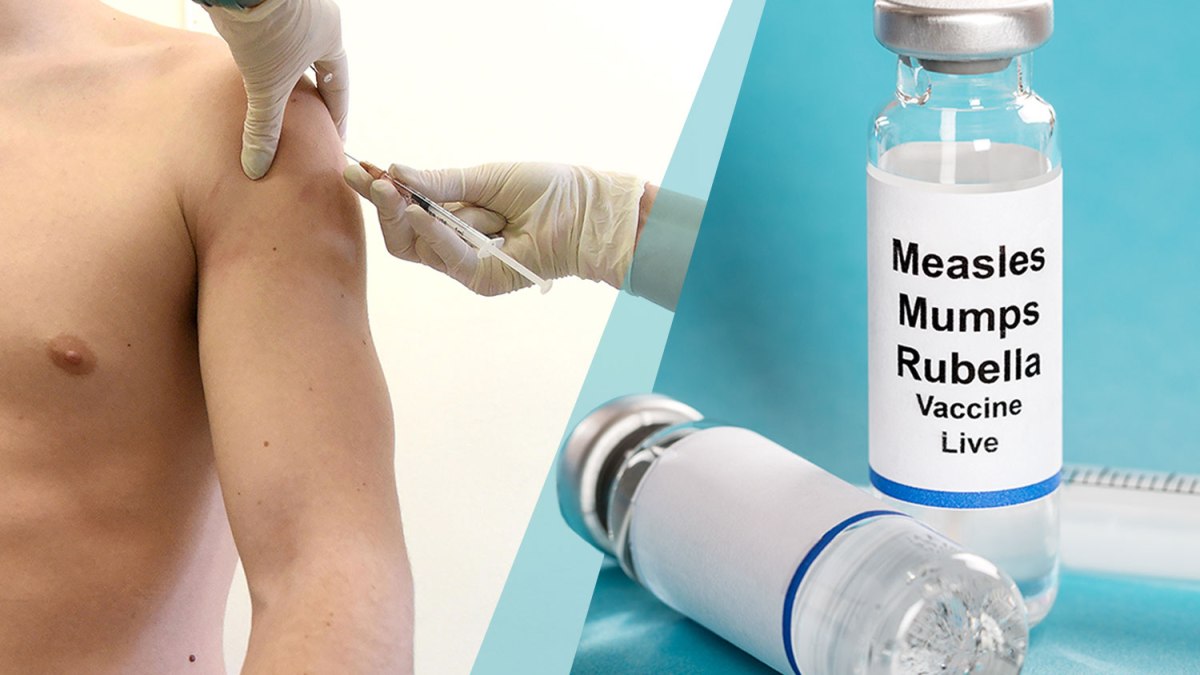
The most effective way to prevent measles is through vaccinations. The measles, mumps, and rubella (MMR) vaccine is administered in two doses, with the first dose given between 12 and 15 months of age and the second between 4 to 6 years. Public health officials are stressing the importance of maintaining a high level of vaccination coverage to achieve herd immunity, ideally above 95%.
Conclusion
The resurgence of measles presents a significant health risk that underscores the need for continued public health messaging about the importance of vaccination. As nations work to recover from the disruptions caused by the pandemic, efforts to improve vaccination rates and address vaccine hesitancy are critical. Community engagement, accessible healthcare resources, and clear, factual communication can help combat misinformation and protect public health. It is imperative that we act collectively to ensure measles becomes a preventable disease again.