









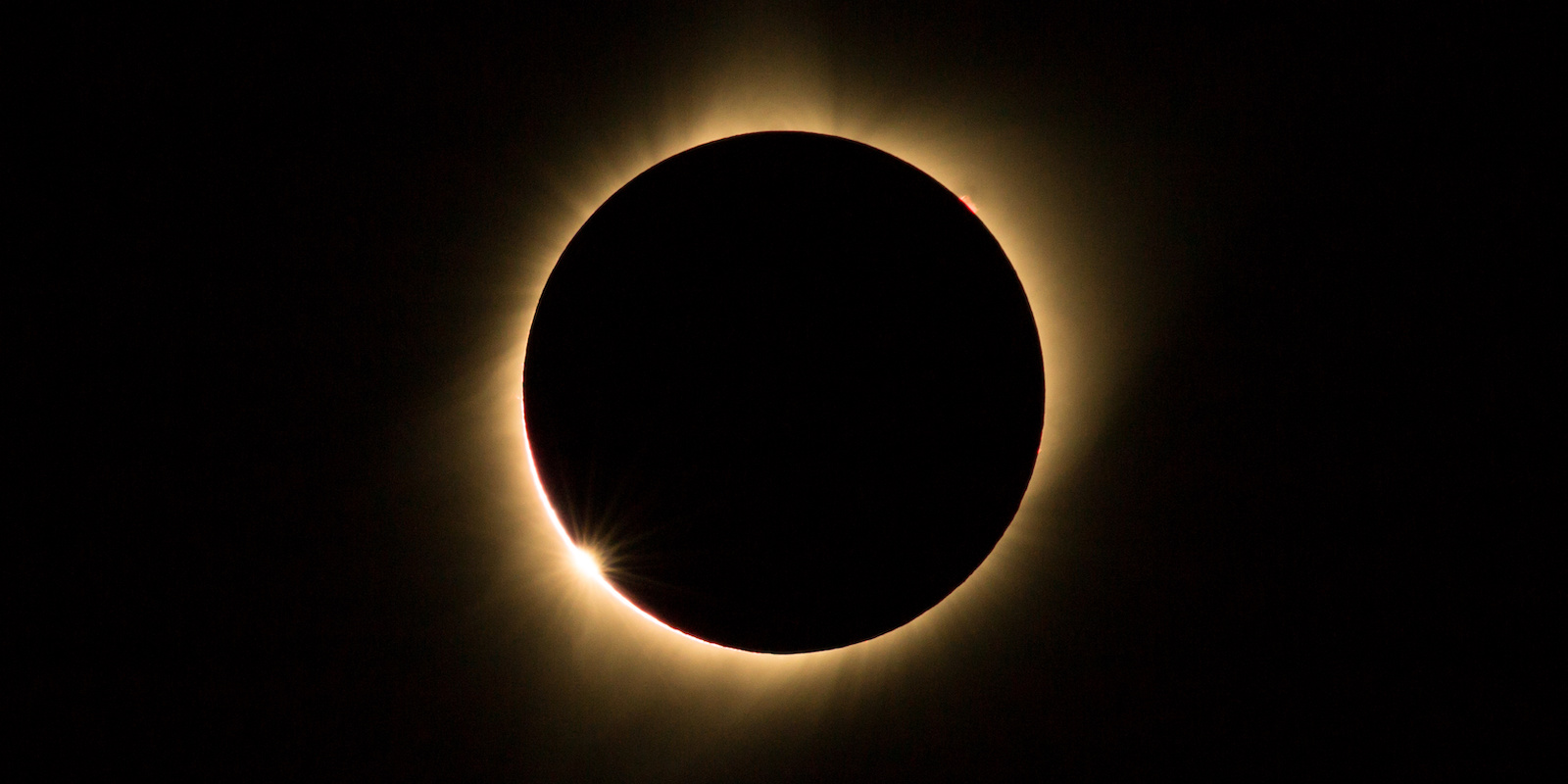
The Importance of Solar Eclipses
Solar eclipses captivate humanity, providing a stunning celestial display and an opportunity for scientific discovery. As Earth, the Moon, and the Sun align, the phenomenon generates awe and curiosity, influencing cultures and prompting scientific inquiry throughout history.
Types of Solar Eclipses
There are three primary types of solar eclipses: total, partial, and annular. A total solar eclipse occurs when the Moon entirely covers the Sun, casting a shadow on Earth and turning day into night for several minutes. A partial solar eclipse happens when only part of the Sun is obscured, while an annular eclipse occurs when the Moon is directly in front of the Sun, but at its apogee, leaving a ring-like appearance, often referred to as a ‘ring of fire.’
Recent and Upcoming Solar Eclipses
The latest notable solar eclipse took place on April 20, 2023, marking an annular eclipse that was visible in parts of Southeast Asia and Australia. Looking forward, the next significant total solar eclipse will occur on April 8, 2024, crossing Mexico, the United States, and Canada. Millions are expected to witness this event, making it a major highlight for astronomy enthusiasts.
Scientific Significance
Scientists utilise solar eclipses to study the Sun’s corona, the outer atmosphere that is usually too faint to be seen. These studies can provide valuable insights into solar wind and its effects on Earth and space weather, helping to enhance our understanding of solar activity’s impact on technology and climate.
Conclusion
Solar eclipses are not mere spectacles; they offer unique opportunities for scientific discovery and cultural reflection. As we approach the next significant eclipse, let us cherish the chance to witness the beauty and wonder of our solar system while advancing our understanding of the universe.