









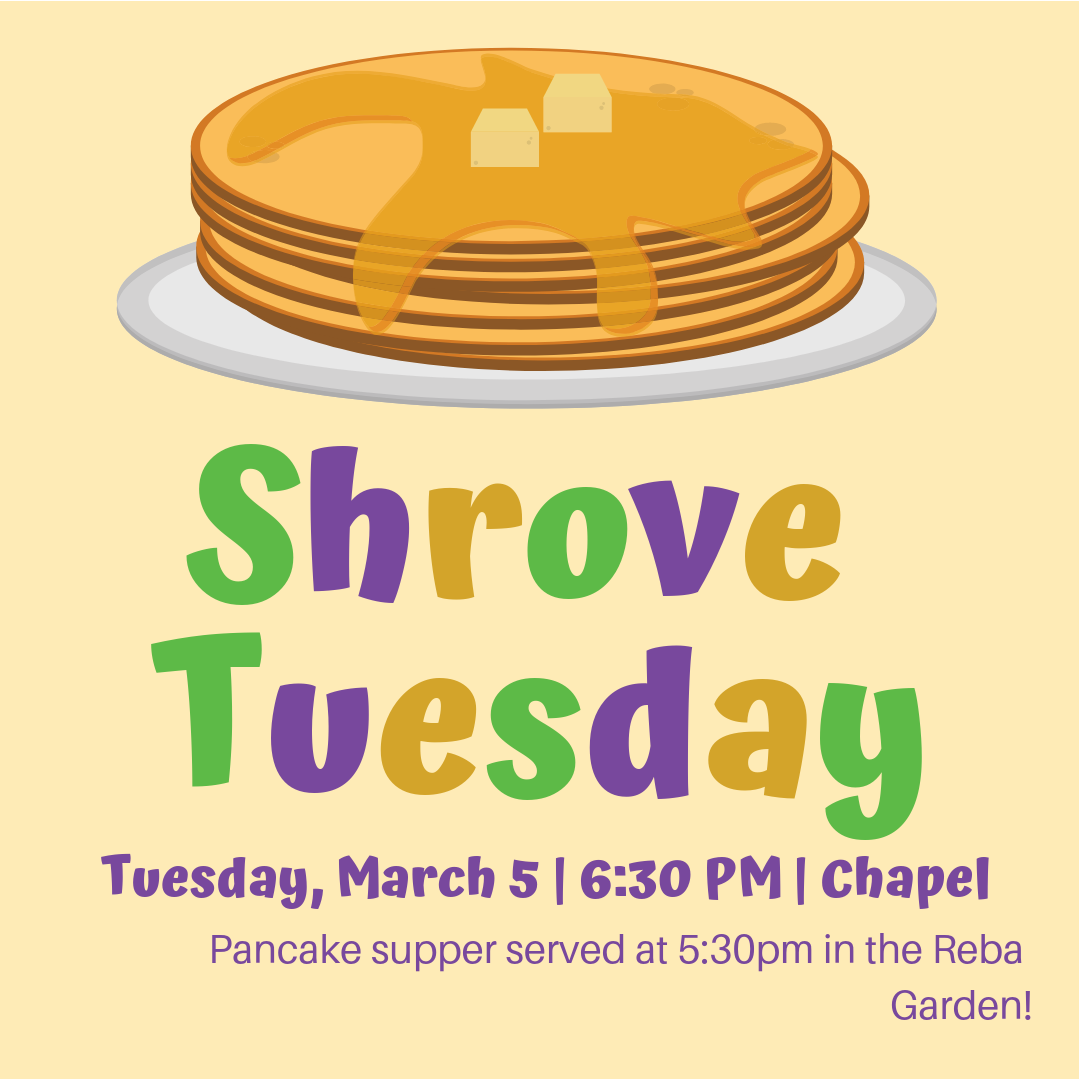
What is Shrove Tuesday?
Shrove Tuesday, also known as Pancake Day, is the day before Ash Wednesday, marking the beginning of Lent in the Christian calendar. It holds great significance as a final day of feasting and merriment before the reflective season of Lent begins. Traditionally, this day was used to use up rich foods such as eggs, milk, and sugar before the fasting period commenced.
Traditions and Celebrations
Shrove Tuesday is widely celebrated in various ways across the world. The most popular custom is the preparation of pancakes, which are often enjoyed with a variety of toppings such as lemon juice, sugar, or syrup. In the UK, pancake races are a common feature, where participants flip pancakes in frying pans while racing to the finish line. These fun events have become family-friendly traditions in many communities.
In other countries, Shrove Tuesday is celebrated with unique local customs. In France, it’s referred to as ‘Mardi Gras’ or Fat Tuesday, where elaborate festivities, parades, and masquerades are held. The emphasis is on a final extravagant feast before the fasting period of Lent begins.
The Historical Context
Historically, Shrove Tuesday was a time to confess sins and prepare for the 40 days of Lent. The term ‘shrove’ comes from the Old English word ‘shriven,’ meaning to confess. Observances often involved attending church services, and the day was typically characterised by a spirit of repentance and reflection.
Modern Relevance
In today’s society, Shrove Tuesday has taken on a more secular vibe, celebrating community and togetherness through food. Schools and organizations often hold pancake breakfasts to foster a sense of community. Importantly, it serves as a reminder of the cultural and religious significance associated with this time of year, offering a moment to reflect on one’s own practices and traditions.
Conclusion
As we approach Shrove Tuesday, it is an opportunity for individuals and families to come together, share meals, and engage in joyous festivities. Whether through pancake-making or participation in local events, the day encapsulates the warmth of community and the joyous transition into a more contemplative season. Embracing these traditions allows both young and old to connect with heritage and enjoy the timeless act of sharing food.