







Importance of the Tax Filing Deadline
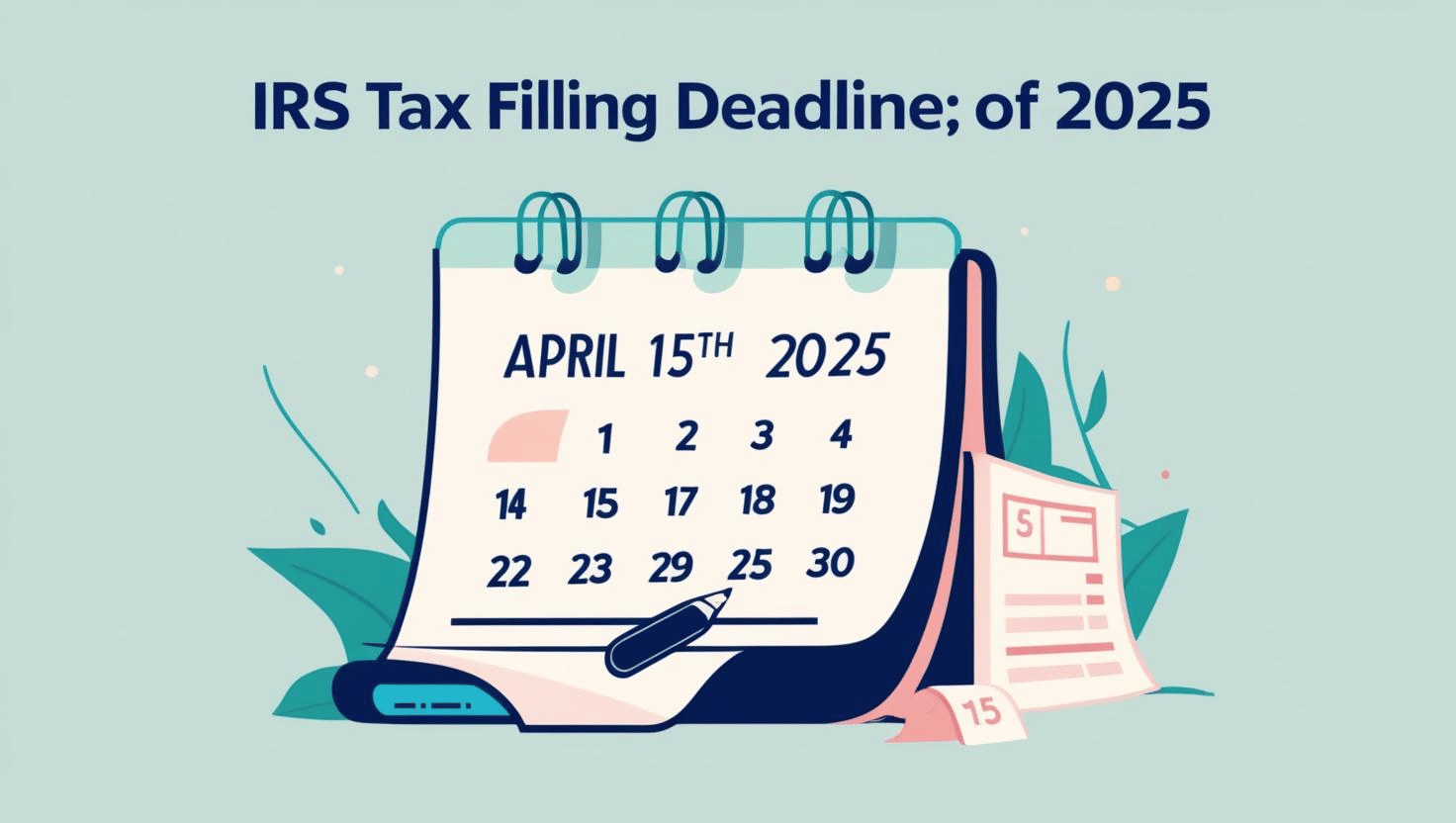
The tax filing deadline is a critical event in the financial calendar for individuals and businesses alike. It determines the last date by which taxpayers must submit their self-assessment tax returns to HM Revenue and Customs (HMRC). Failing to meet this deadline can lead to penalties, interest on overdue payments, and potentially complicating future tax affairs. With the ever-evolving financial landscape, understanding this deadline is paramount for effective personal finance management.
Key Dates and Changes for 2023
For the tax year ending on 5 April 2023, taxpayers have until 31 October 2023 to file paper returns and until 31 January 2024 for online submissions. This includes all income sources, deductions, and any additional tax due. Taxpayers who may have previously received an extension or exception need to check their obligations promptly as regulations may vary for different situations.
What Happens If You Miss the Deadline?
Missing the filing deadline can result in significant consequences. HMRC imposes an automatic penalty of £100 for those who submit their returns late, with further fines accruing the longer the delay. Additionally, interest may be charged on any unpaid tax. It is crucial for taxpayers to take proactive measures to avoid these penalties, either by filing on time or establishing communication with HMRC if complications arise.
Tips for Successful Tax Filing
To ensure compliance and avoid any potential issues with the tax filing deadline, here are some practical tips: begin your preparations early, keep track of all income and expenses throughout the year, consider hiring a tax professional if your financial situation is complex, and use HMRC’s online tools for guidance. Making use of these resources can demystify the process and lead to more precise tax filings.
Conclusion and Future Implications
As the tax filing deadline approaches, the importance of timely and accurate submissions cannot be overstated. By understanding the repercussions of missing the deadline and preparing adequately, taxpayers can navigate their responsibilities with confidence. Looking ahead, changes in tax law and reporting requirements may alter the landscape once again, making ongoing education in tax matters increasingly valuable for all. Staying informed will help individuals and businesses alike manage their tax obligations effectively, ensuring compliance and potentially optimising their tax positions.