









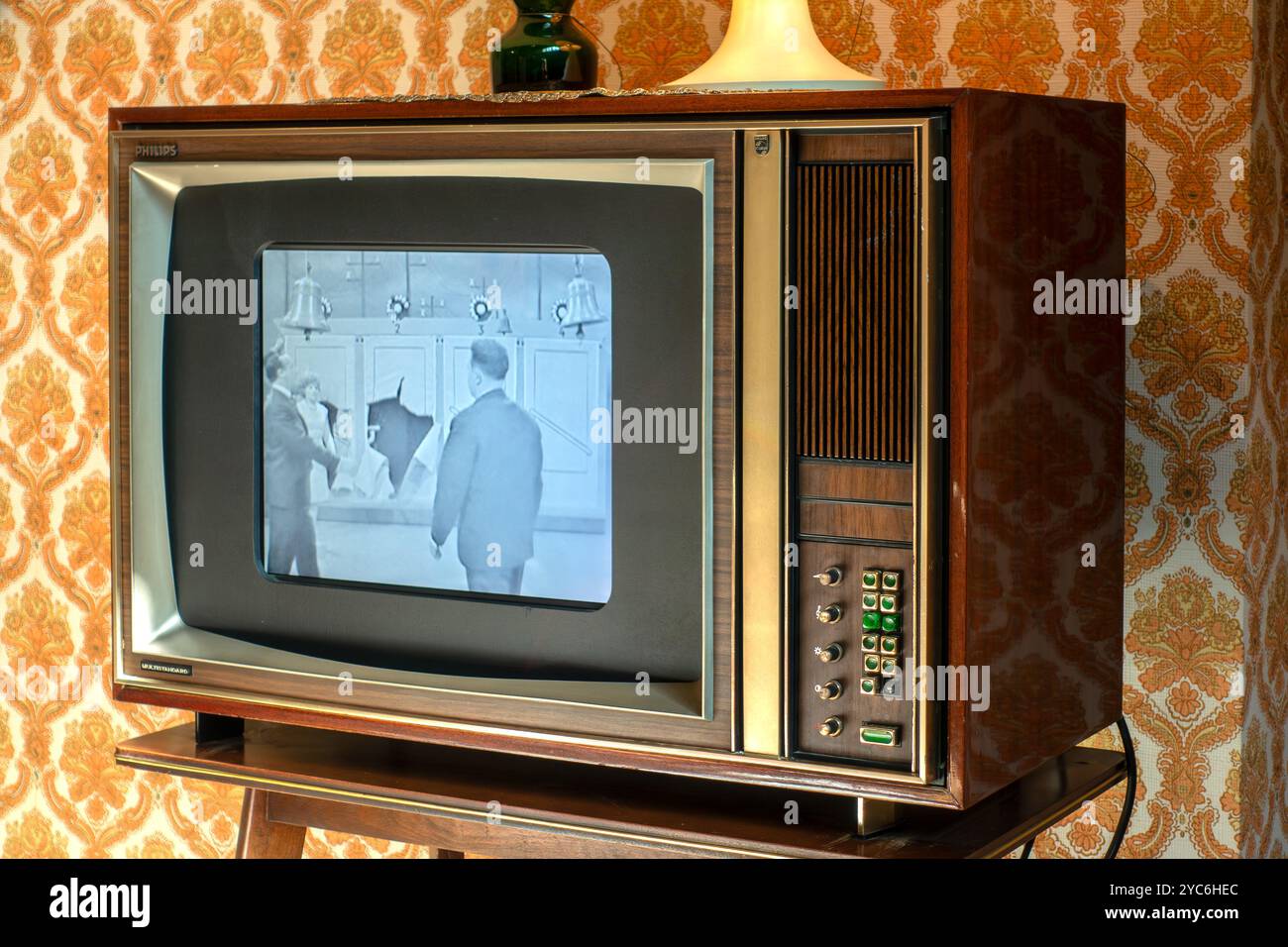
The Importance of Television in Today’s World
Television has long been a cornerstone of entertainment and information for millions around the globe. Its impact is profound, shaping culture, news consumption, and even social norms. As technology evolves, so does television, adapting to the changing needs and preferences of its audience. Understanding the current trends in television is crucial for both viewers and industry stakeholders.
The Current Landscape of Television
As of 2023, the television industry continues to undergo significant transformations. Streaming services such as Netflix, Hulu, and Amazon Prime Video have revolutionised how content is consumed. According to a report from Statista, over 1.5 billion people worldwide are expected to subscribe to streaming services by the end of 2023. This shift has led traditional networks to innovate their programming strategies and invest heavily in their own streaming platforms.
Furthermore, the pandemic accelerated the trend towards binge-watching and on-demand viewing, leading to a dramatic increase in viewer engagement. A survey conducted by PwC revealed that 68% of respondents preferred streaming services over conventional cable television, a clear indication of changing habits and preferences.
Recent Developments in Television Technology
Television technology is advancing rapidly, with developments in 4K, OLED, and the advent of 8K televisions enhancing viewing experiences. Additionally, smart TVs equipped with AI capabilities are becoming the norm, allowing viewers to access content easily and receive personalised recommendations. The recent integration of virtual reality (VR) and augmented reality (AR) in television content is another exciting frontier, promising immersive experiences that were previously unimaginable.
Conclusion: The Future of Television
Looking ahead, the television industry is poised for further growth and transformation. As streaming platforms continue to expand and innovate, traditional broadcasters must adapt or face decline. The integration of new technologies, changing viewer preferences, and the rise of global content producers will shape the future landscape of television. For consumers, this means more choices and better quality content than ever before, ensuring that television remains a pivotal part of our culture in the years to come.