








Introduction
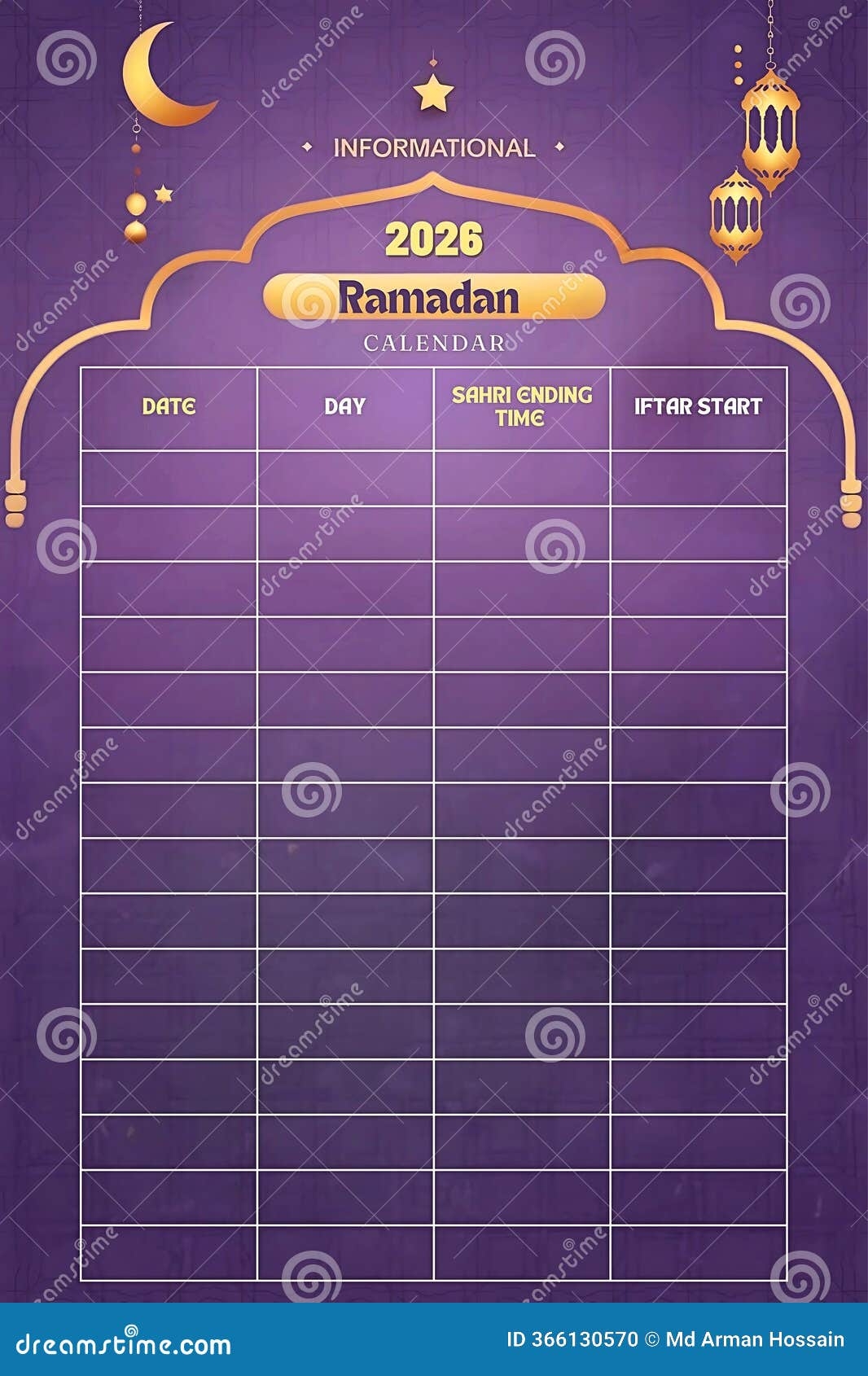
As the holy month of Ramadan approaches, Muslims around the world prepare for this significant period of fasting, prayer, and reflection. Understanding the Ramadan time table is essential for proper observance, as it provides crucial details about the timings of daily prayers and meals. For 2026, Ramadan is expected to begin on the evening of February 17 and end on March 18, although local sightings of the moon may influence these dates.
Key Dates in Ramadan 2026
The month of Ramadan 2026 will most likely commence on the evening of February 17, coinciding with the sighting of the crescent moon. Fasting takes place from sunrise to sunset, with Suhoor (pre-dawn meal) enjoyed before the Fajr (dawn) prayer. Iftar, the meal to break the fast, will take place at sunset, following the Maghrib prayer. It is always advisable to confirm timings with local mosques or community leaders, as these can vary by location.
Prayer Timings
Here’s a general outline for daily prayers during Ramadan:
- Fajr: Around 5:00 AM
- Dhuhr: Approximately 1:00 PM
- Asr: Approximately 5:00 PM
- Maghrib: At sunset, approximately 6:30 PM
- Isha: Approximately 8:00 PM
Note: These times are approximations and can vary depending on geographic location.
Special Observances
During Ramadan, Muslims are encouraged to increase their spiritual practices, including reading the Quran and performing additional prayers known as Tarawih after the Isha prayer. Furthermore, Laylat al-Qadr, the Night of Decree, falls within the last ten nights of Ramadan, and it is believed to be the night when the Quran was first revealed. This night is especially significant and is often celebrated with extra prayers and supplications.
Conclusion
The Ramadan time table for 2026 offers an opportunity for Muslims to prepare both mentally and spiritually for the holy month. By understanding the key dates and prayer timings, individuals can ensure they are ready to observe Ramadan’s traditions and seek spiritual growth. As the month approaches, local communities will likely share more precise timings and events. By engaging with one another, Muslims can enhance their spiritual journey during this sacred period.