









The Importance of Lunar New Year Animals
Lunar New Year, also known as Chinese New Year, is a significant festival celebrated in many East Asian countries. Each year is associated with one of the twelve animals from the Chinese zodiac, which influences the personality and fortune of those born under its sign. Understanding these animals and their meanings provides insight into cultural traditions and practices surrounding the Lunar New Year festivals.
The 12 Animals of the Chinese Zodiac
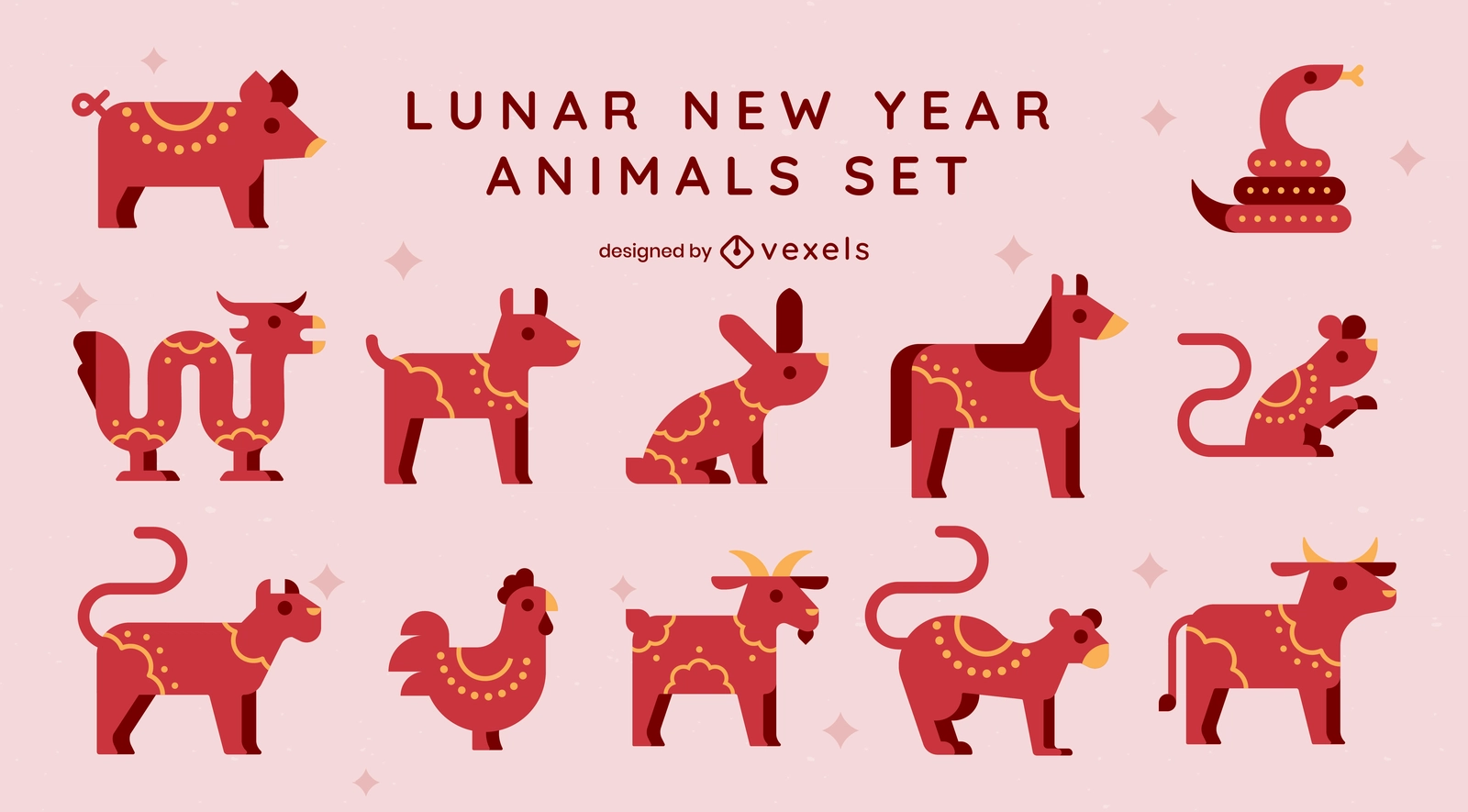
The twelve animals of the Chinese zodiac are Rat, Ox, Tiger, Rabbit, Dragon, Snake, Horse, Goat, Monkey, Rooster, Dog, and Pig. Each animal represents qualities and characteristics, infusing cultural beliefs about personality traits and destiny. For instance, those born in the Year of the Rat are often seen as agile and clever, while individuals born in the Year of the Tiger are viewed as brave and competitive.
Recent Celebrations and Predictions
The upcoming Lunar New Year in 2024 will mark the Year of the Dragon, an animal symbolising strength, power, and good fortune. Festivities begin on February 10th, with celebrations lasting until the Lantern Festival two weeks later. Many families partake in traditional customs such as feasting on special foods, giving red envelopes (hongbao), and conducting lion and dragon dances to invite prosperity and ward off evil spirits.
Significance of Lunar New Year Animals
Each Lunar New Year animal not only marks a new year but also heralds various traits believed to be associated with that year. In the case of the Dragon, it is seen as a highly auspicious sign, as this mythological creature is revered in Chinese culture for its benevolence and power. As a result, many couples plan to have children during Dragon years, hoping to pass on the animal’s favourable characteristics.
Conclusion: Cultural Relevance and Future Implications
The Lunar New Year animals are more than mere symbols; they represent a rich tapestry of traditions that have transcended generations. Their significance extends beyond the new year celebrations, influencing decisions in personal lives, business practices, and even family planning. As we approach the Year of the Dragon, it is expected that many will engage more deeply with their cultural roots, fostering a sense of community and continuity in an ever-changing world.