








Introduction
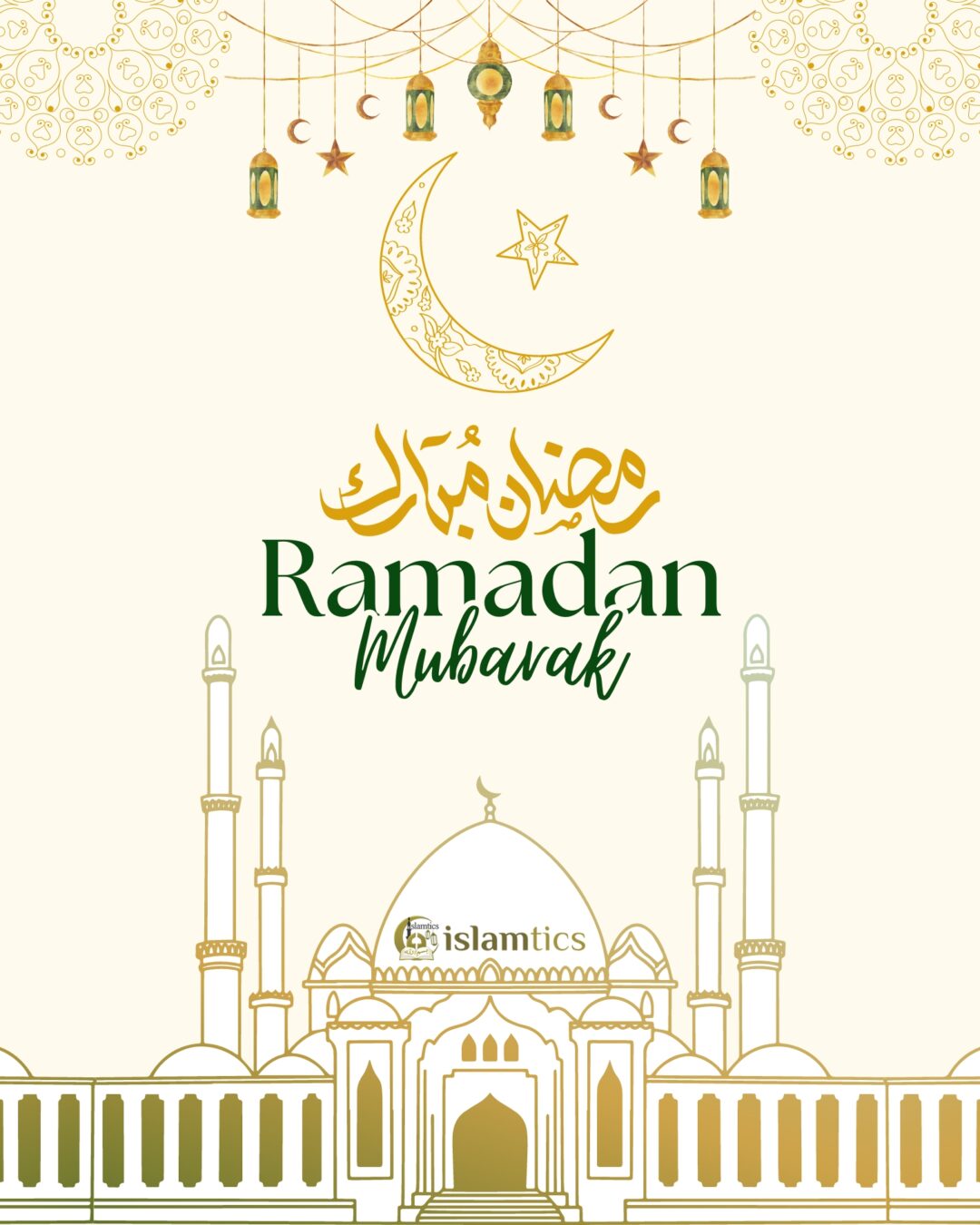
Ramadan Mubarak is a phrase commonly exchanged among Muslims during the holy month of Ramadan, which holds profound significance in the Islamic calendar. It signifies not just a month of fasting from dawn until dusk but also a time for spiritual reflection, community, and charity. As millions around the world prepare to observe this sacred period, understanding its importance and related customs becomes increasingly relevant.
Key Aspects of Ramadan Mubarak
Ramadan, which is the ninth month of the Islamic lunar calendar, commemorates the first revelation of the Quran to the Prophet Muhammad. The celebrations start with the sighting of the moon, marking the beginning of the month, and the salutation “Ramadan Mubarak” is a way to wish others blessings during this time.
During Ramadan, Muslims engage in fasting, prayer, reflection, and community. The act of fasting, known as Sawm, is one of the Five Pillars of Islam, emphasizing self-discipline, self-control, and empathy for the less fortunate. Each day from dawn (Fajr) until sunset (Maghrib), those observing the fast refrain from eating, drinking, and other physical needs.
Traditions and Community Activities
The breaking of the fast, known as Iftar, is often a communal affair. Many families gather to enjoy a meal after sunset, traditionally starting with dates and water. Iftar gatherings often extend beyond family to include neighbours or those in need, fostering community spirit and social bonds.
Moreover, Ramadan is also a time for increased prayers and recitations of the Quran. Many Muslims aim to read the entire Quran during this month, reflecting on its teachings and applying them to their lives. The last ten days of Ramadan hold special significance, particularly the Night of Decree (Laylat al-Qadr), which is believed to be when the Quran was first revealed.
Conclusion
As Ramadan Mubarak approaches, the global Muslim community comes together to celebrate faith, compassion, and generosity. For non-Muslims, understanding the essence of this month fosters a sense of respect and solidarity. The spiritual and social practices observed during Ramadan are reminders of the importance of connection, gratitude, and giving. Each year, as Ramadan unfolds, it brings forth an opportunity for hearts to unite in prayers and acts of kindness, demonstrating timeless values that resonate well beyond the month itself.