









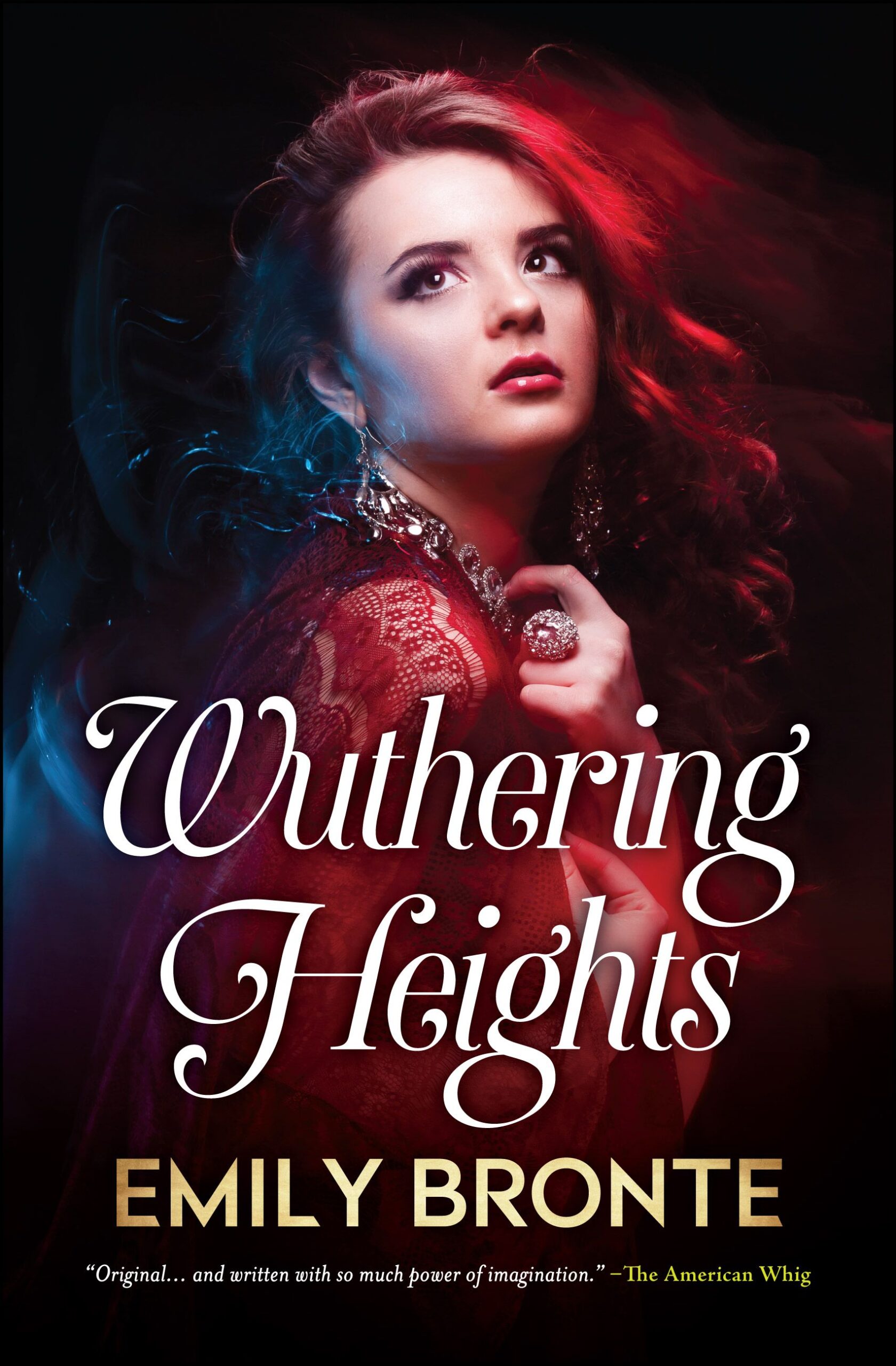
Introduction to Wuthering Heights
Published in 1847, ‘Wuthering Heights’ is a novel by Emily Brontë that has secured its place as one of the most significant works in English literature. Its exploration of passionate love, revenge, and the complexities of human emotions has made it a staple in academic curricula and a beloved choice among literature enthusiasts. With its gothic elements and intense character dynamics, ‘Wuthering Heights’ continues to be relevant, drawing readers to its rich narrative and timeless themes.
Plot Overview
The story is set in the Yorkshire moors and follows the tumultuous relationship between Heathcliff and Catherine Earnshaw. After being taken in by the Earnshaw family as a child, Heathcliff develops a deep bond with Catherine, which spirals into obsession and tragedy after she chooses to marry Edgar Linton. Filled with themes of isolation and torment, the narrative unfolds through multiple perspectives, revealing the impact of their love and the consequences of societal norms.
Thematic Elements
One of the key themes of ‘Wuthering Heights’ is the idea of love in its most destructive form. The relationship between Heathcliff and Catherine is a prime example of how unrestrained passion can lead to destructive outcomes. Other prominent themes include revenge, social class, and the struggle against nature, all of which contribute to the dark and captivating atmosphere of the novel. The setting itself, the wild and untamed moors, mirrors the emotional turbulence of the characters.
Critical Reception and Legacy
Upon its release, ‘Wuthering Heights’ received a mixed response, with some critics praising its originality while others criticized its dark themes. Over the years, however, it has garnered much acclaim, often being regarded as a masterpiece of romantic fiction. The book has inspired countless adaptations, including films, plays, and even music, underscoring its enduring impact on popular culture.
Conclusion
‘Wuthering Heights’ remains a vital piece of literature for modern readers, encouraging contemplation on the nature of love, revenge, and the human condition. The novel’s complexity invites analysis and discussions in academic and casual settings alike, making it relevant in diverse contexts. As interest in classic literature endures, ‘Wuthering Heights’ continues to resonate, drawing new generations into its haunting narrative.