









The Importance of Recognising Measles Symptoms
Measles is a highly contagious viral infection that poses a significant public health risk globally. With rising cases reported in various regions, understanding measles symptoms is essential for early detection, prevention, and control of outbreaks. The importance of recognising these symptoms cannot be overstated, as timely medical intervention can significantly reduce the risk of severe complications.
Common Symptoms of Measles
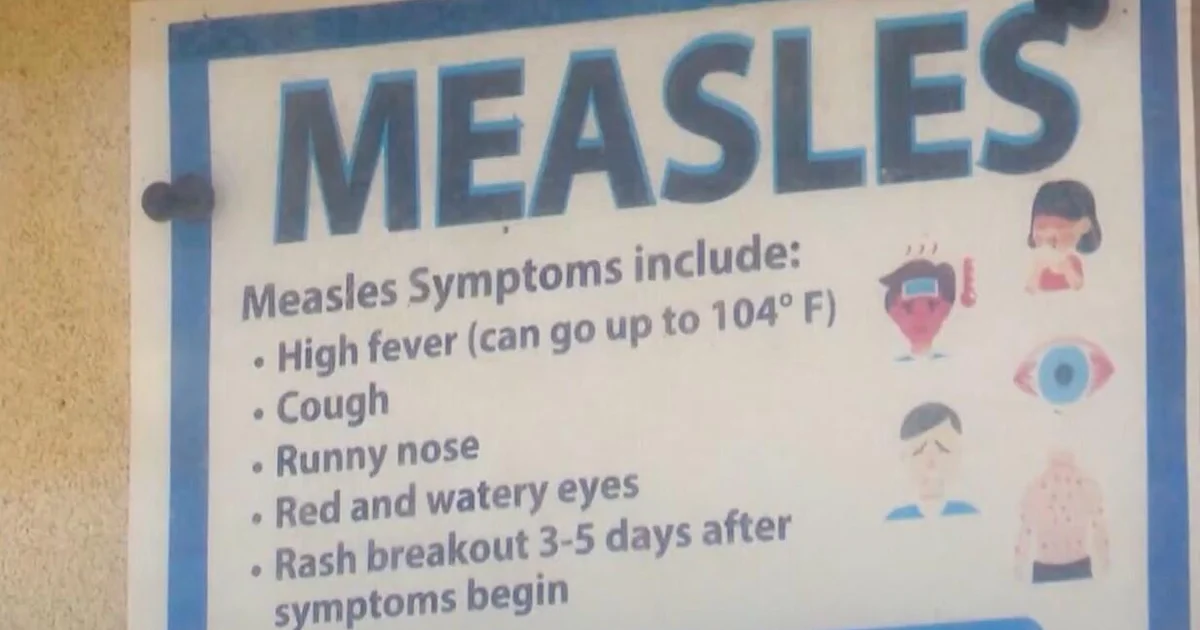
Measles symptoms typically appear 10 to 14 days after exposure to the virus. Initial signs often resemble those of a cold, such as:
- High fever
- Cough
- Runny nose
- Sore throat
As the illness progresses, individuals may develop a distinctive red rash that usually emerges 3 to 5 days after the first symptoms. This rash often starts on the face and spreads downward, lasting for several days. Other symptoms to look out for include:
- Small white spots with bluish centres inside the mouth, known as Koplik spots
- Generalised body aches
- Conjunctivitis (inflammation of the eye)
The Impact of Recent Outbreaks
Recent outbreaks of measles in various parts of the world underline the importance of vaccination and awareness of symptoms. According to the World Health Organization (WHO), global measles cases rose significantly in 2022, with the highest increases recorded in regions with declining vaccination rates. This resurgence highlights how crucial it is for communities to maintain high vaccination coverage to protect vulnerable populations.
What to Do If You Suspect Measles
If you or someone you know exhibits symptoms consistent with measles, it is imperative to seek medical advice promptly. Health professionals can offer guidance on testing, management, and potential isolation to prevent further transmission. Additionally, those who are not vaccinated should contact their healthcare provider to discuss the measles, mumps, and rubella (MMR) vaccine, which is the most effective form of prevention.
Conclusion
Understanding measles symptoms is crucial for individual and public health. With recent outbreaks underscoring its dangers, awareness and education remain key in combating this preventable disease. By promoting vaccination and knowledge of the symptoms, communities can work together to protect those most at risk and reduce the overall incidence of measles.