









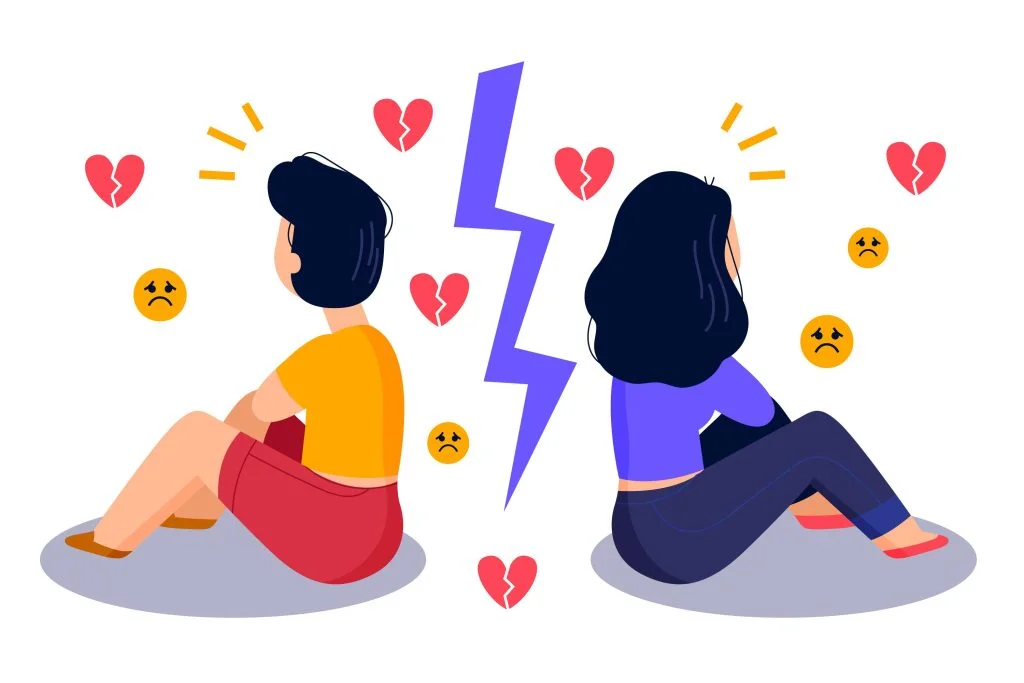
Introduction to Betrayal
Betrayal is a profound emotional experience that can have significant consequences on personal relationships and social trust. It goes beyond mere disappointment, piercing deep into the fabric of trust that bonds individuals. Current discussions around betrayal have gained traction in both psychological circles and popular culture, as people increasingly seek to understand the complexities of loyalty, fidelity, and trust. The relevance of betrayal cannot be overstated, especially in today’s interconnected world, where relationships—be they personal, familial, or professional—can be severely impacted by acts of betrayal.
The Nature of Betrayal
Betrayal can manifest in various forms, from infidelity in romantic partnerships to breaches of confidence among friends or colleagues. Surveys indicate that 75% of individuals have experienced betrayal at some point in their lives, whether as the betrayer or the betrayed. This widespread phenomenon raises critical questions about human behaviour, intentions, and the underlying psychology of trust.
Recent Events Highlighting Betrayal
In recent news, high-profile cases have brought the subject of betrayal to the forefront. For instance, in the political realm, revelations of whistleblowers leaking confidential information have stirred debates about loyalty versus the moral imperative to expose wrongdoing. In sports, there have been instances of team members betraying the trust of their teammates, leading to public outcry and emotional fallout.
Psychological Insights on Betrayal
Psychologists suggest that the consequences of betrayal can lead to various emotional responses, including anger, sadness, and anxiety. These emotions can be instrumental in the healing process, enabling individuals to reassess their future relationships and personal boundaries. Cognitive behavioural therapy (CBT) and other therapeutic methods are often recommended to help individuals cope with the aftermath of betrayal.
Conclusion
The significance of betrayal extends far beyond personal anguish. It influences societal norms and expectations surrounding trust. With increasing awareness and discourse on betrayal, there is potential for individuals to learn how to navigate their relationships more carefully. The forecast suggests that as more people seek understanding and healing from experiences of betrayal, society may evolve towards fostering stronger, more resilient connections. As we move forward, embracing open communication and honesty can help mitigate the risks associated with betrayal, ultimately leading to healthier relationships.