









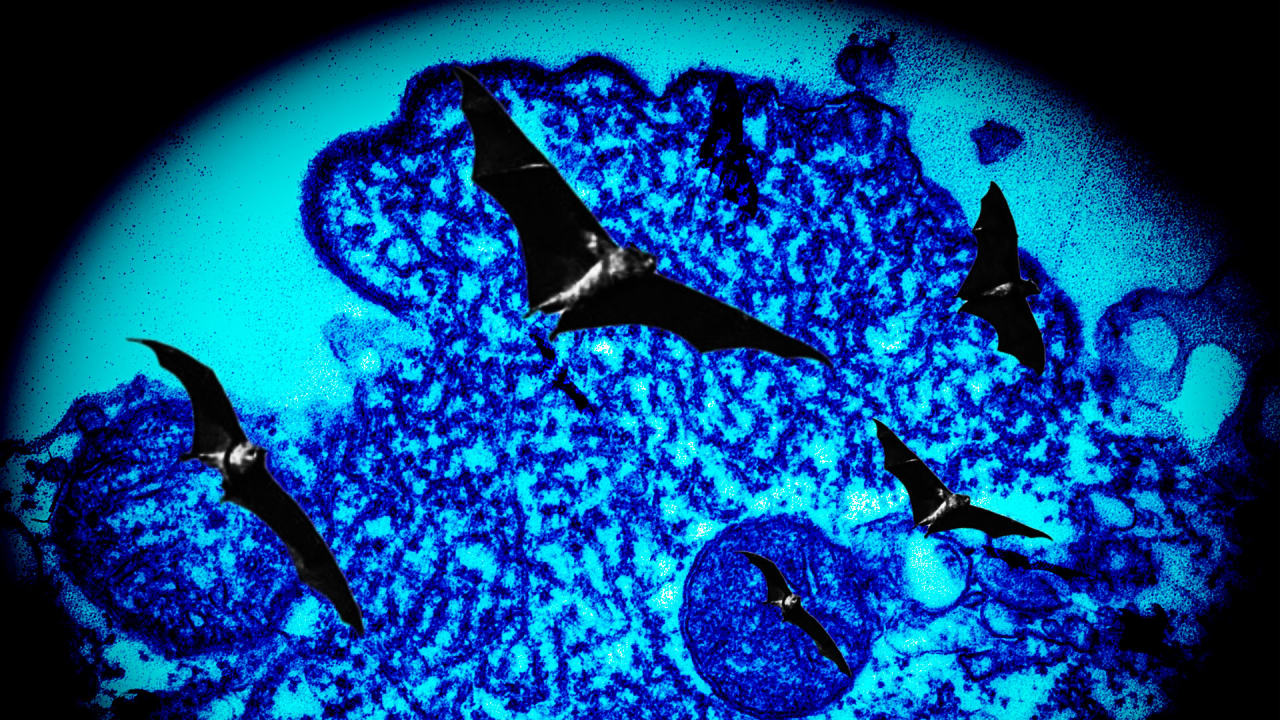
Introduction to the Nipah Virus
The Nipah virus, a zoonotic pathogen, first emerged in 1998 and has since posed significant threats to public health, especially in South and Southeast Asia. With no known vaccine or specific treatment, the Nipah virus raises concerns amidst ongoing outbreaks and heightened global awareness of emerging infectious diseases. In light of recent incidents, health authorities are on high alert, making it imperative for the public to understand this virus’s implications.
Recent Outbreaks and Data
In recent months, outbreaks of Nipah virus have been reported in Kerala, India, leading to several confirmed cases and deaths. According to the Kerala Health Ministry, the state has reported multiple cases in the last few weeks, with health officials tracing contacts and undertaking containment measures. The World Health Organization (WHO) has reiterated the potential severity of Nipah, highlighting its ability to cause severe respiratory illness and encephalitis in infected individuals, with a mortality rate spanning from 40% to 75% in previous outbreaks.
Transmission and Prevention
The virus is known to spread through direct contact with infected bats, pigs, or contaminated food. Close human-to-human transmission has also been documented, adding to the risk during outbreaks. Preventive measures include avoiding consumption of raw date palm sap and ensuring proper hygiene and safety protocols for health workers managing infected cases. Public health campaigns are crucial to inform communities about these risks, aiming to mitigate potential spread.
Conclusion and Future Outlook
The resurgence of the Nipah virus highlights the ongoing challenges in managing zoonotic diseases, especially in areas where human and wildlife habitats intersect. As health authorities work tirelessly to contain recent outbreaks, the importance of surveillance and preparedness cannot be overstated. With the backdrop of a global pandemic, the vigilance surrounding emerging viruses like Nipah is vital for safeguarding public health. Continuous research and international collaboration will be fundamental in the fight against this threat, ensuring that health systems are equipped for future challenges.