









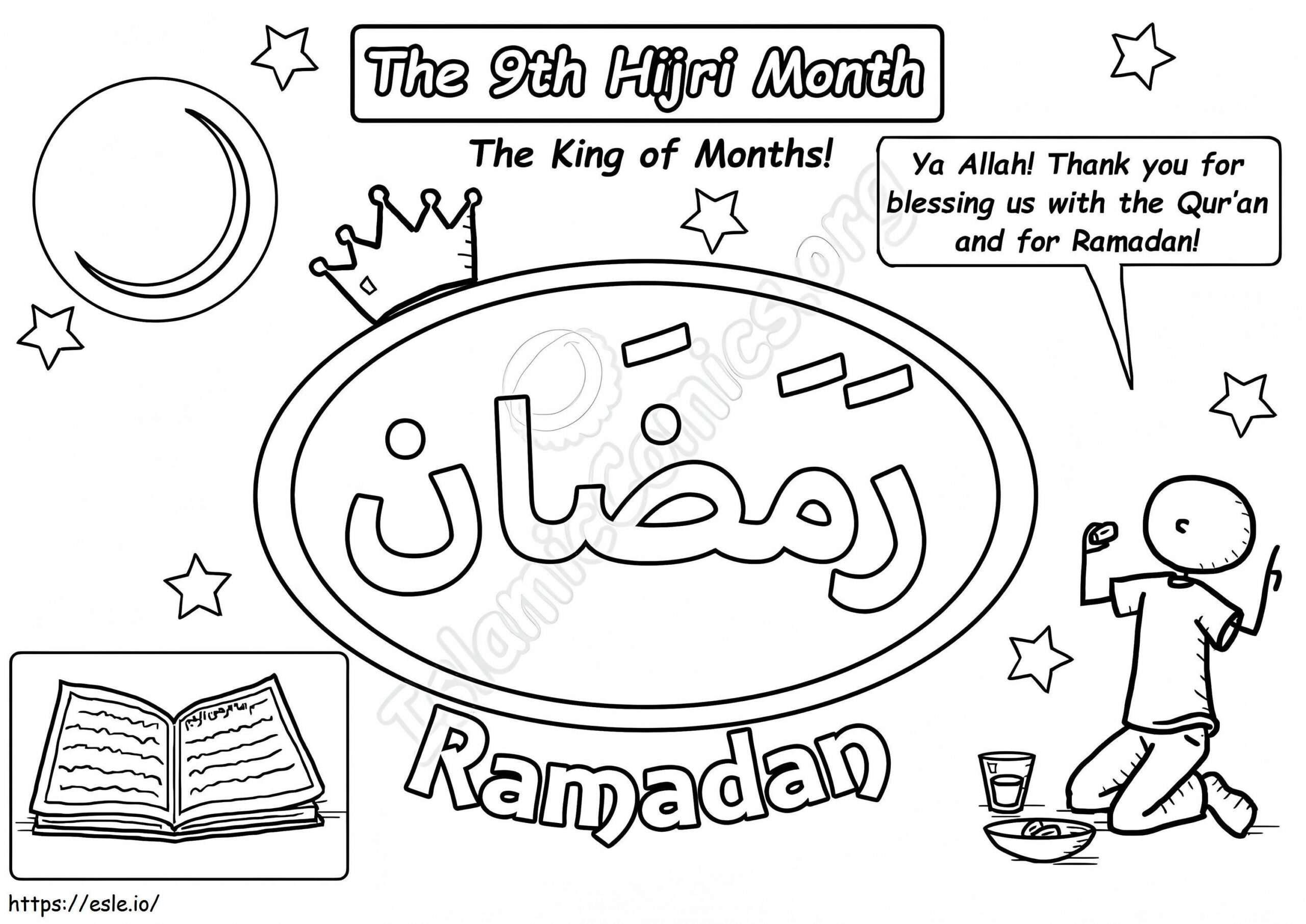
Introduction to Ramadan
Ramadan, the ninth month of the Islamic lunar calendar, is a period of fasting, prayer, and reflection observed by millions of Muslims around the globe. Its importance lies not only in the practice of fasting from dawn until sunset but also in the spiritual rejuvenation it offers adherents. This year, Ramadan is expected to begin in mid-March and will last for 29 or 30 days, culminating in the celebration of Eid al-Fitr. Understanding Ramadan is crucial for fostering interfaith dialogue and cultural appreciation in today’s diverse society.
Core Practices During Ramadan
During Ramadan, Muslims engage in a variety of spiritual practices aimed at deepening their faith and connection with God. Fasting, known as sawm, is the most prominent practice, requiring individuals to abstain from food, drink, smoking, and marital relations from dawn until sunset. This discipline serves both as a means of developing self-control and promoting empathy for the less fortunate. Alongside fasting, increased prayer and recitation of the Quran are encouraged, with many aiming to complete the entire Quran during this holy month.
Community and Charity in Ramadan
Ramadan is also characterised by an emphasis on community and charitable giving. Muslims are encouraged to give zakat, or almsgiving, which is a form of mandatory charity that is especially significant during this month. Many choose to make additional contributions to charity in the spirit of generosity and compassion. Community iftars, the evening meals breaking the fast, are common, fostering a sense of unity and shared purpose among family and friends. In 2023, it is expected that more communities will find innovative ways to include those unable to gather in person due to ongoing health concerns.
Conclusion and Future of Ramadan Observances
As the month of Ramadan approaches, the importance of its observance remains pertinent, especially in today’s fast-paced and often disconnected world. Engaging in self-reflection, communal worship, and charitable acts can lead to a more profound spiritual understanding and community cohesion. While challenges persist, such as the impact of global issues on religious practices, the resilience of Ramadan highlights its timeless relevance. As we look ahead, it is essential for both Muslims and non-Muslims to appreciate the values of compassion, generosity, and faith that Ramadan embodies.