









Introduction
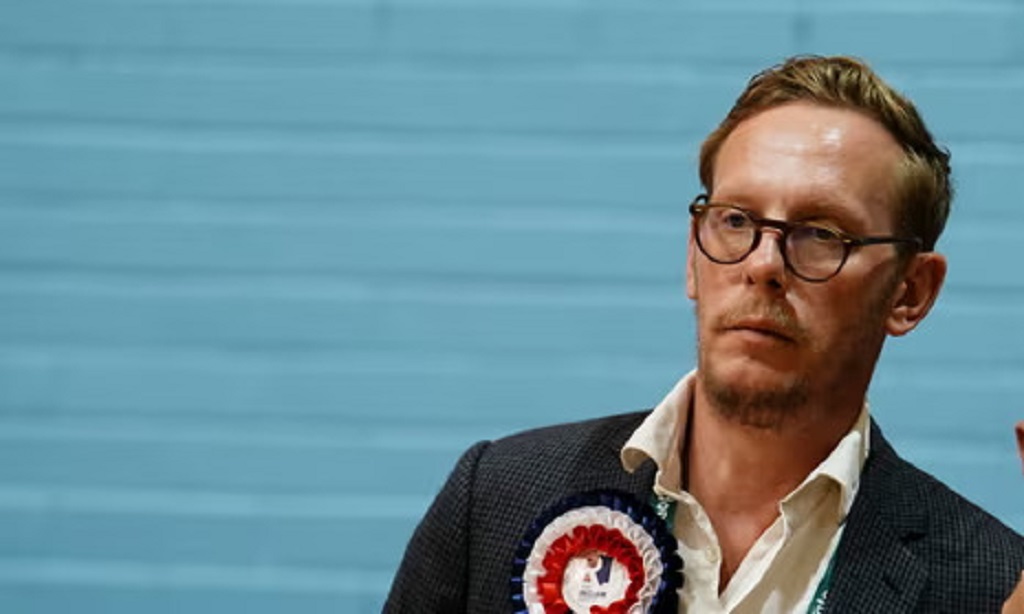
Laurence Fox, an English actor and political activist, has become a significant figure in British media over the past few years. Known for both his artistic career and outspoken political views, Fox’s actions continue to ignite debate across social and political spectrums. This article provides insights into his current relevance, controversies, and the impact he has had on public discourse.
Recent Events and Controversies
In recent months, Fox has been at the centre of various controversies that showcase the polarising nature of his opinions. The actor, who gained fame for his role in the television series ‘Lewis’, has leaped into political commentary, often using social media platforms to express his views on issues such as freedom of speech and race relations in the UK.
His political stance gained particular attention when he founded the political party Reclaim, aimed at advocating for what he describes as ‘common sense’ values. The party’s launch in early 2023 was met with both enthusiasm from supporters who resonate with his perspectives and backlash from those who view his statements as controversial or inflammatory. Fox’s comments on topics like gender identity and systemic racism have led to heated debates, and his appearances on various talk shows have resulted in considerable media coverage.
Public Reaction and Debate
Public reaction to Laurence Fox is decidedly mixed. Supporters argue that he provides a voice for those who feel silenced in current socio-political climates. His statements regarding the erosion of free speech resonate with many who are concerned about censorship and political correctness. Conversely, detractors accuse him of promoting divisive narratives and undermining progress in social justice issues.
The actor’s online presence has further intensified the discussions around him. Fox has leveraged platforms such as Twitter to engage directly with critics and supporters alike, often leading to viral exchanges. This strategy has positioned him as not just a media personality but a focal point for current debates around identity politics.
Conclusion
Laurence Fox’s evolution from actor to activist showcases the complex interplay of media, politics, and public opinion in contemporary Britain. His presence raises important questions about freedom of expression and the responsibilities of public figures in discussions of race and identity. As he continues to influence conversations within the UK, it will be essential to monitor how his actions and statements shape public perception and political discourse. Moving forward, Fox’s role could serve as either a catalyst for change or as a divisive element within the broader narrative of British society.