









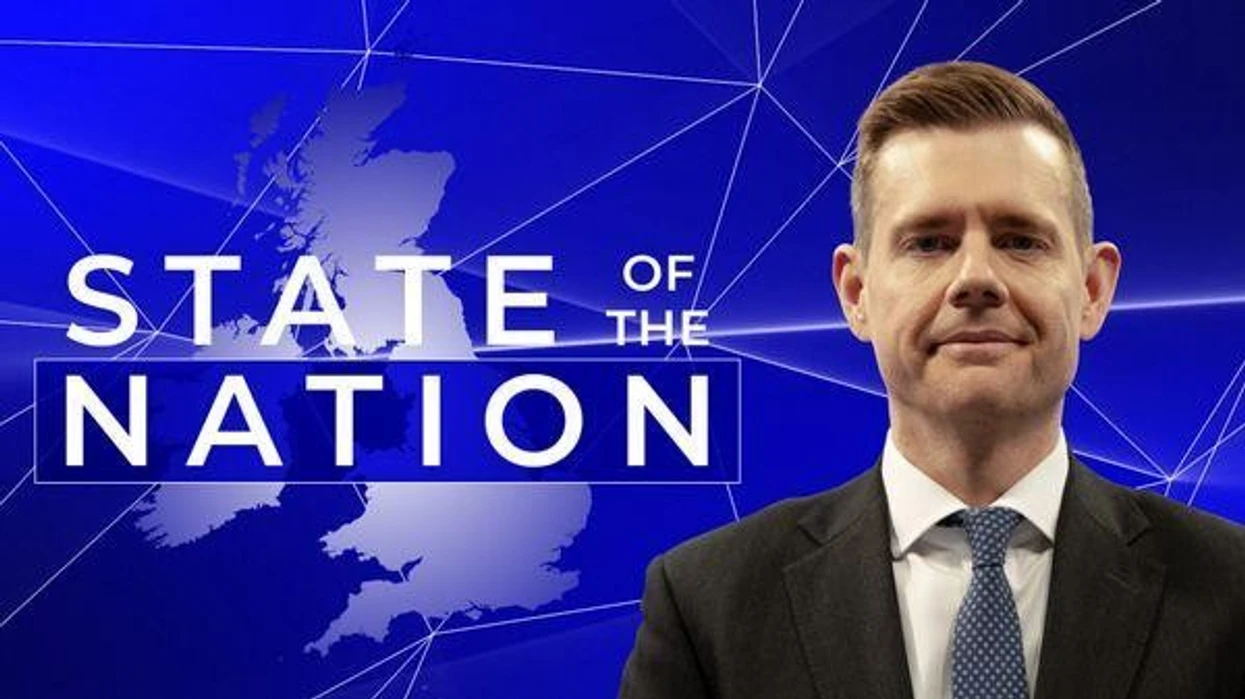
Introduction: The Relevance of Matt Goodwin
Matt Goodwin has emerged as a prominent figure in the analysis of UK politics, particularly in the post-Brexit landscape. His work is crucial for understanding the evolving political sentiments within the United Kingdom, especially with the approaching general elections and ongoing debates about national identity, immigration, and economic disparities. As a professor of politics at the University of Kent and an author of influential books, Goodwin’s insights are vital for both political novices and experts to navigate the complexities of contemporary British politics.
Current Influence and Events
In light of the latest political developments, Goodwin’s research has gained traction as he frequently comments on party dynamics, voter behaviour, and the rise of populist sentiments in the UK. His recent publication, co-authored with Eric Kaufmann, titled “Beliefs and Belonging: Faith and Community in the 21st Century”, delves into how cultural identities impact political affiliations and choices. Goodwin effectively positions himself as an analyst who translates complex data into accessible narratives for the public.
Moreover, his discussions surrounding the Conservative Party’s struggles, Labour’s resurgence under Keir Starmer, and the potential influence of the Scottish National Party (SNP) highlight the shifting landscape of UK politics. In particular, Goodwin underscores the importance of understanding regional dynamics, especially in Scotland and Northern Ireland, where political attitudes diverge significantly from those in England.
Conclusion: The Significance of Goodwin’s Work
As we approach upcoming elections, the insights provided by Matt Goodwin offer a lens through which to view the changing political terrain of the UK. His emphasis on the role of public sentiment, identity, and demographic changes suggests that traditional voting patterns may continue to be disrupted. Understanding these factors can empower voters, policymakers, and scholars alike to make informed decisions in an increasingly complex political environment.
Looking forward, Goodwin’s predictions about the future of political engagement in the UK, particularly concerning younger voters and dynamic online activism, will remain relevant. Those keen on grasping the future of UK politics would do well to consider his perspectives as indicators of potential shifts in the political landscape.