









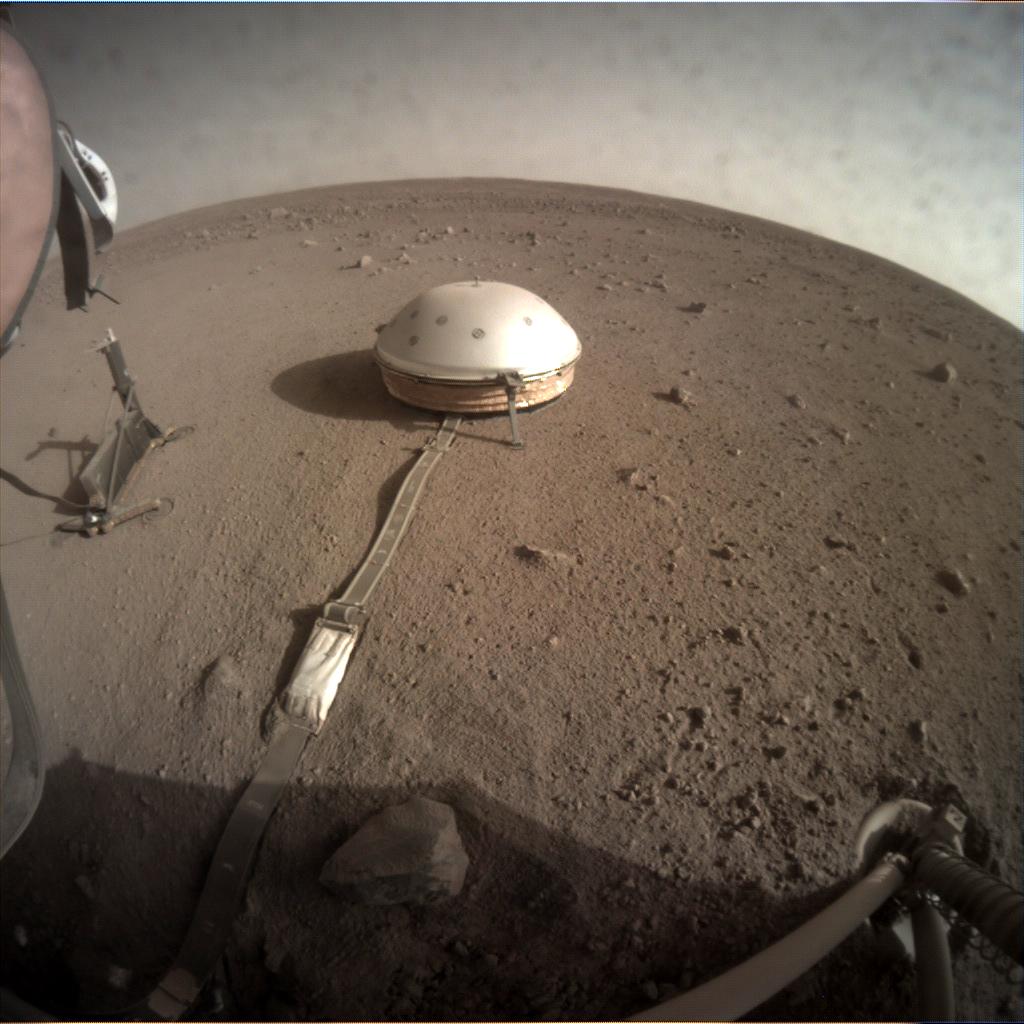
Introduction to NASA and Its Importance
The National Aeronautics and Space Administration (NASA) has been at the forefront of space exploration since its establishment in 1958. With its pioneering technology and cutting-edge research, NASA not only unravels the mysteries of the universe but also fosters international collaboration and innovation in scientific fields. In recent months, the agency has launched several high-profile missions that highlight its continued relevance in today’s rapidly advancing technological landscape.
Recent Missions and Discoveries
One of NASA’s most significant recent missions is the Artemis I programme, which successfully placed the Orion spacecraft around the Moon in an uncrewed test flight. This monumental achievement is a precursor to future crewed missions aimed at establishing a sustainable human presence on the Moon by the end of the decade. The next phases, Artemis II and III, are expected to further push the envelope by sending astronauts back to lunar soil.
Additionally, NASA’s Perseverance rover, which landed on Mars in February 2021, is busy collecting samples of Martian rock and soil that are slated to be returned to Earth in future Mars Sample Return missions. This mission aims to search for signs of ancient microbial life and pave the way for human exploration on Mars by the 2030s. Moreover, the findings from the James Webb Space Telescope, which began operations in July 2022, are revolutionising our understanding of the cosmos, providing unprecedented insights into the formation of stars and galaxies.
Future Outlook
Nasa’s commitment to scientific discovery and technological advancement remains unwavering. The agency is not only focused on exploring the Moon and Mars but is also turning its gaze toward the outer solar system with upcoming missions planned for Europa, one of Jupiter’s moons, and Titan, Saturn’s largest moon. Scheduled for the coming years, the Europa Clipper mission seeks to investigate the moon’s ice-covered ocean, while the Dragonfly mission aims to explore Titan’s unique chemistry and building blocks for life.
Conclusion
In conclusion, NASA’s ongoing and future missions are pivotal for our understanding of space and the potential for human life beyond Earth. As technology continues to evolve, NASA remains a leader in expanding our knowledge and engaging with global partners to tackle the challenges of space exploration. The findings and data from these missions not only inspire awe in the public but also contribute to advancements in various fields including climate science, technology, and engineering, with significant implications for life on Earth. As we look to the stars, NASA’s role as a beacon of innovation and discovery continues to shine brightly.