









Introduction
The Elizabeth Line, officially opened in May 2022, represents a significant development in London’s transport infrastructure. Connecting key areas of London and beyond, it is designed to enhance travel efficiency and support the city’s growing population. With its impact on daily commutes, economic growth, and urban development, the Elizabeth Line is more than just a railway; it is a lifeline for many Londoners.
Overview of the Elizabeth Line
The Elizabeth Line spans approximately 60 miles, stretching from Reading and Heathrow in the west to Shenfield and Abbey Wood in the east. With 41 stations, it integrates existing rail routes and introduces new tunnels through central London. Key stations such as Bond Street and Paddington have been upgraded to accommodate the increased passenger flow, with the capacity to serve up to 200 million journeys annually.
Operational Highlights
The service is designed for every 5 minutes during peak hours, significantly reducing travel times across the city. For instance, the journey from Paddington to Liverpool Street takes just over 20 minutes, whereas previously it could take over 30 minutes or more. The rollout of the Elizabeth Line has also helped to alleviate overcrowding on other London Underground and rail services, particularly on the Central and District Lines.
Financial Impact and Economic Growth
The introduction of the Elizabeth Line is expected to provide an economic boost of £42 billion over the next 30 years. It opens up new access for businesses near its stations, fostering growth in the surrounding areas. The regeneration of areas like Woolwich and Abbey Wood is already noticeable, with increased investment and property development following the line’s launch.
Environmental Considerations
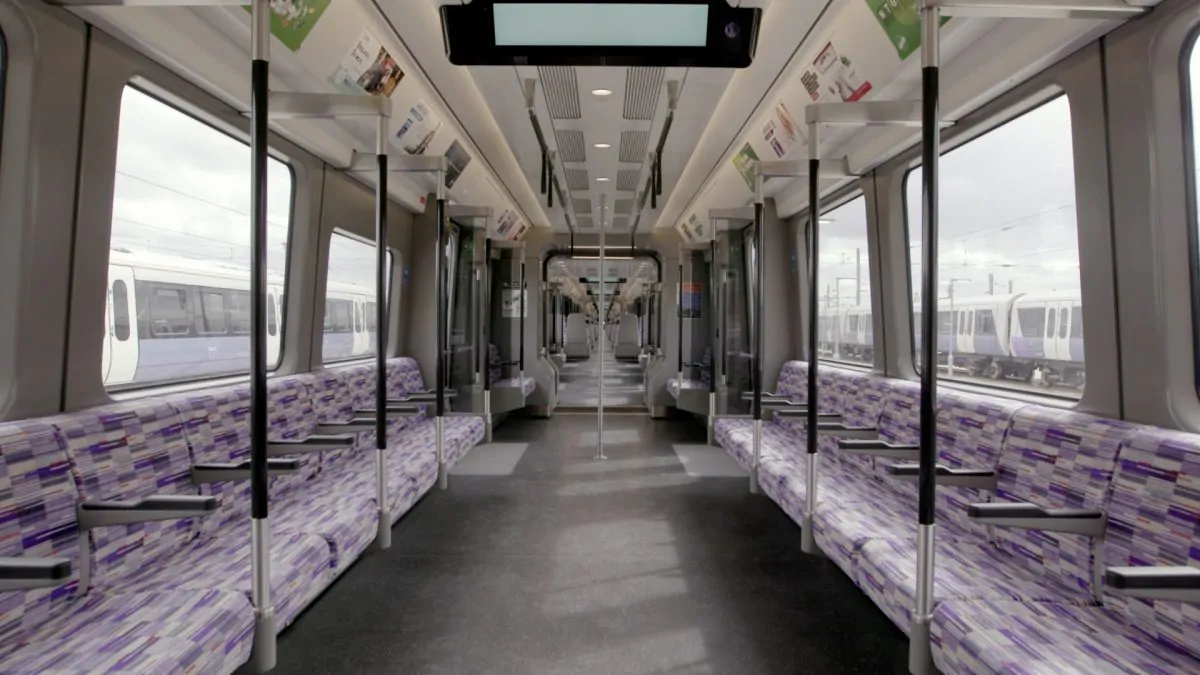
The Elizabeth Line also aligns with London’s commitment to sustainability. By encouraging the use of public transport, it aims to reduce carbon emissions from vehicles. Additionally, the line’s state-of-the-art trains are designed to have lower energy consumption compared to traditional rail systems.
Conclusion
The Elizabeth Line is poised to be a game changer for London’s transport landscape, significantly enhancing connectivity and supporting sustainable urban growth. As it continues to expand its services and improve passenger experience, the long-term benefits for the economy, environment, and daily commuters are becoming increasingly apparent. In the years to come, the Elizabeth Line will not only serve as a transport link but as a catalyst for change in the capital, reshaping where and how Londoners live, work, and travel.