









Introduction to Phishing
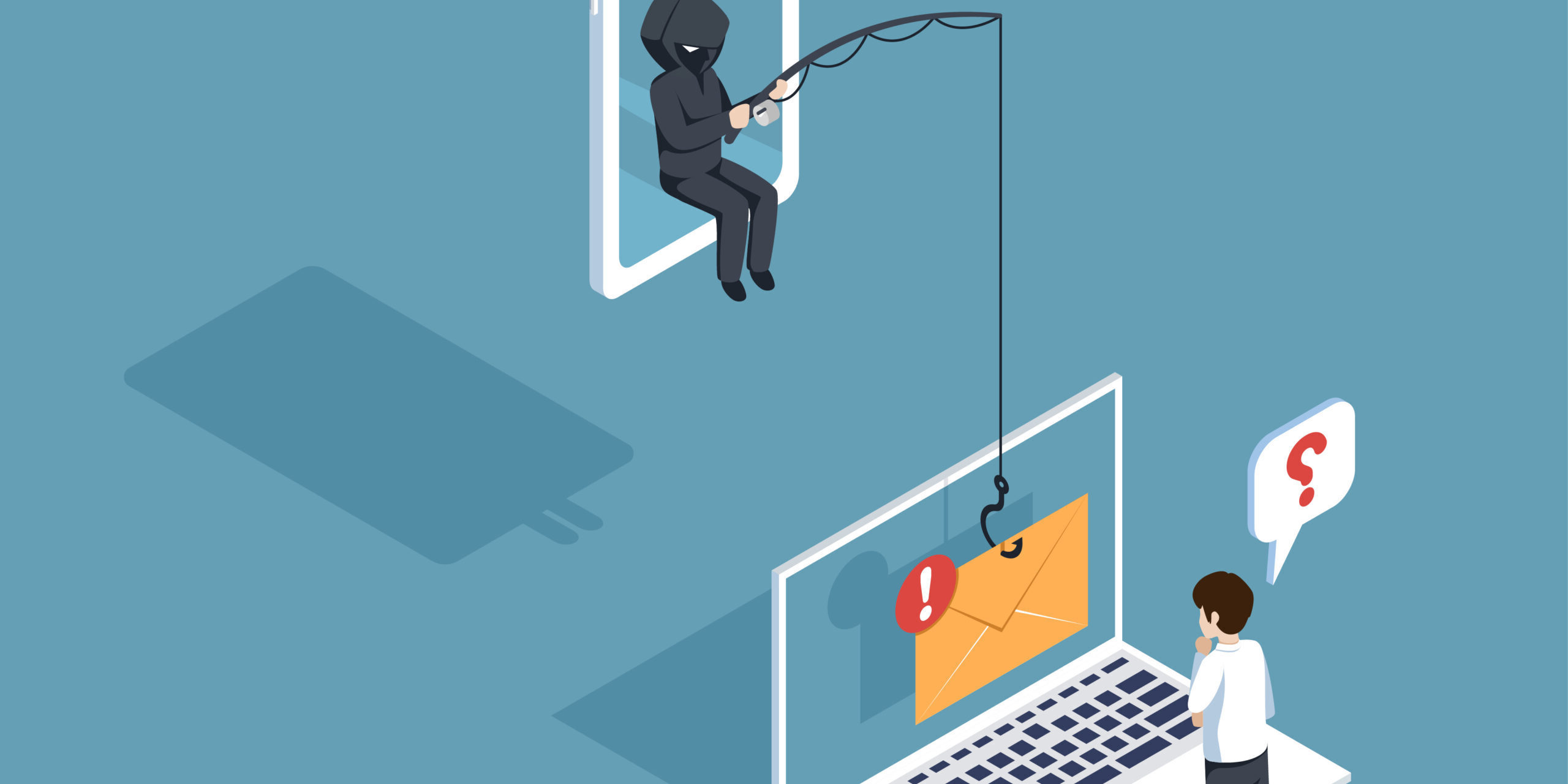
Phishing is a type of cybercrime that involves tricking individuals into revealing sensitive information, such as passwords and credit card numbers. As technology advances, so do the tactics employed by cybercriminals, making it essential for everyone to be aware of this threat. The significance of understanding phishing cannot be overstated, particularly in an age where online transactions and digital communication are prevalent.
The Mechanics of Phishing
Phishing typically occurs through deceptive emails, text messages, or websites that seem authentic but are actually malicious attempts to capture personal data. Attackers often impersonate legitimate entities, such as banks or online services, using logos and language that mimic real communication. According to a report by the Federal Trade Commission (FTC) in 2022, phishing was one of the most reported types of fraud, with losses exceeding $1.5 billion in the United States alone.
Common Phishing Techniques
There are several common methods used in phishing schemes:
- Email Phishing: This is the most common form, where attackers send emails that appear to come from trusted sources, requesting sensitive information.
- SMS Phishing (Smishing): Text messages that aim to deceive users into providing personal information.
- Voice Phishing (Vishing): This method uses phone calls to trick individuals into giving up their private information.
- Clone Phishing: In this scenario, a legitimate email that was previously sent to the target is cloned and then sent again with malicious links.
Recognising these tactics is vital for individuals looking to safeguard their personal information.
Protecting Yourself from Phishing
To effectively defend against phishing attacks, users can adopt several strategies:
- Be Skeptical: Always scrutinise emails and messages that request personal information, especially if they contain urgent, alarming language.
- Verify the Source: If unsure, contact the company or person directly through official channels rather than clicking on links provided in suspicious communications.
- Use Two-Factor Authentication: This adds an additional layer of security to your accounts, making it harder for attackers to gain access.
- Educate Yourself: Stay informed about the latest phishing trends and methods to enhance your ability to identify threats.
Conclusion
Phishing remains a significant concern in the digital landscape, affecting millions each year. By understanding what phishing is and becoming familiar with its tactics, individuals can significantly reduce their vulnerability to these scams. The past few years have indicated a growing sophistication in phishing methods, which suggests that both personal vigilance and education will be crucial in the fight against cybercrime in the future.