









Introduction
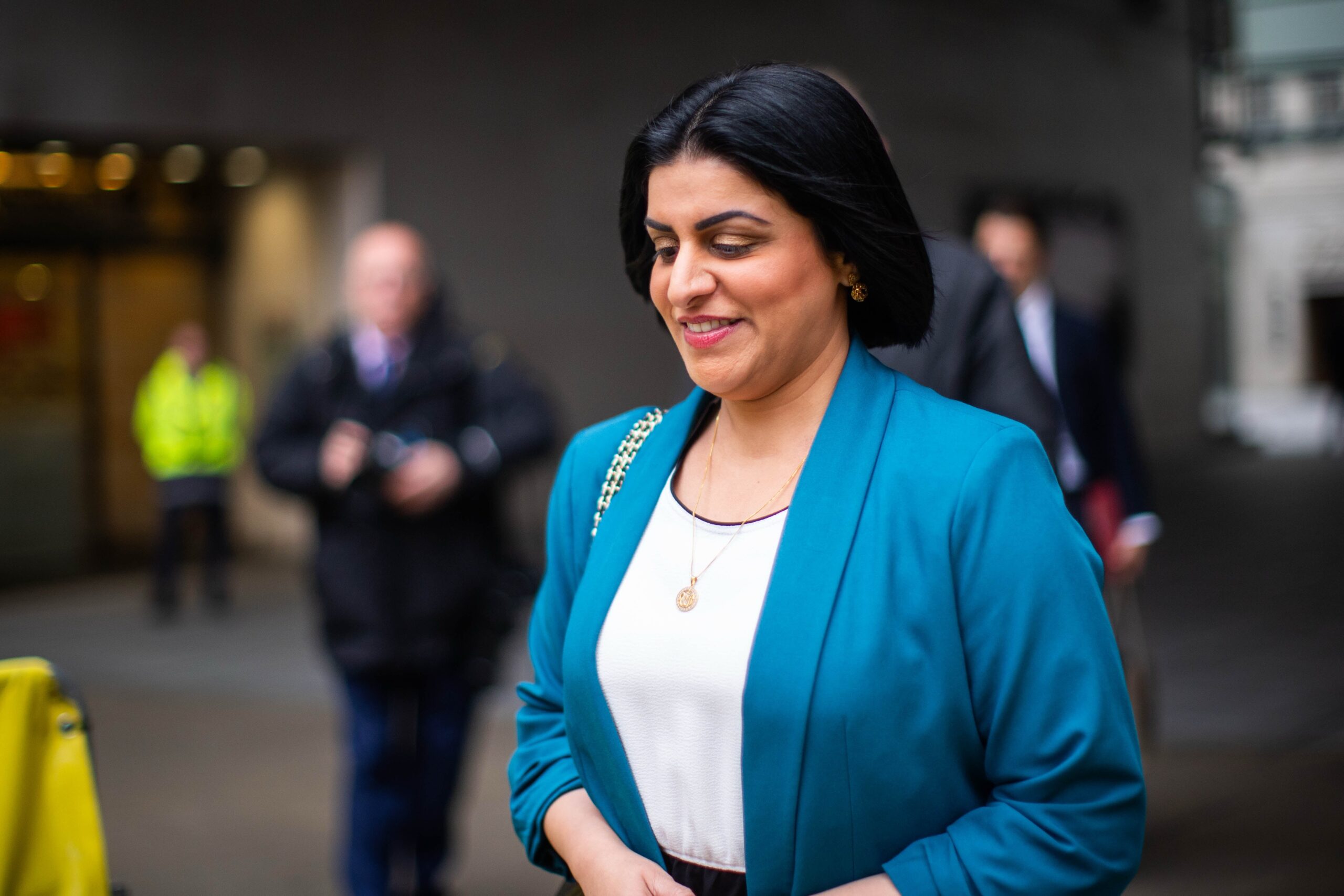
UK shadow immigration minister Shabana Mahmood has emerged as a key figure in the ongoing debate surrounding immigration reforms in the United Kingdom. As the nation grapples with the complexities of its immigration system, Mahmood’s proposals have garnered significant attention. Her vision for reform aims to create a fairer, more efficient, and humane immigration policy that accommodates the needs of immigrants while addressing national concerns.
Main Body
In recent speeches and interviews, Mahmood has outlined a series of reforms that she believes are essential for modernising the UK’s immigration framework. Central to her proposals is the notion of compassion and understanding towards immigrants, especially those fleeing conflict and persecution. Mahmood argues that the current system is laden with bureaucratic obstacles and lacks the necessary support structures for vulnerable populations.
One of her key proposals is to establish a faster and more streamlined process for granting asylum to refugees. She underscores the urgent need for the UK to honour its commitments to international humanitarian laws, stating that the UK must be a safe haven for those in desperate need. Mahmood has also highlighted the importance of family reunification as a fundamental right, proposing to ease restrictions that prevent families from being together.
Moreover, Mahmood has advocated for a review of the Points-Based Immigration System introduced by the current government, which she contends disproportionately disadvantages low-skilled workers. By calling for a more inclusive approach, she aims to re-evaluate the skill thresholds that often exclude essential workers such as care staff, agriculture labourers, and hospitality personnel, all of whom have played vital roles during the Covid-19 pandemic.
In light of economic challenges, Mahmood underscores that immigration can be a driver for economic growth. By welcoming diverse talents from around the world, she believes the UK can enhance its workforce and foster innovation in various sectors.
Conclusion
Shabana Mahmood’s immigration reforms reflect a shift towards a more humane and inclusive approach, addressing the complex realities of modern immigration in the UK. As discussions continue, her proposals signal a potential change in the narrative surrounding immigration policy, emphasising support and integration rather than exclusion and restriction. Looking ahead, how these reforms resonate with policymakers and the public remains to be seen, but Mahmood’s commitment to reforming the immigration system could play a pivotal role in shaping the future of immigration in the UK.