









Introduction
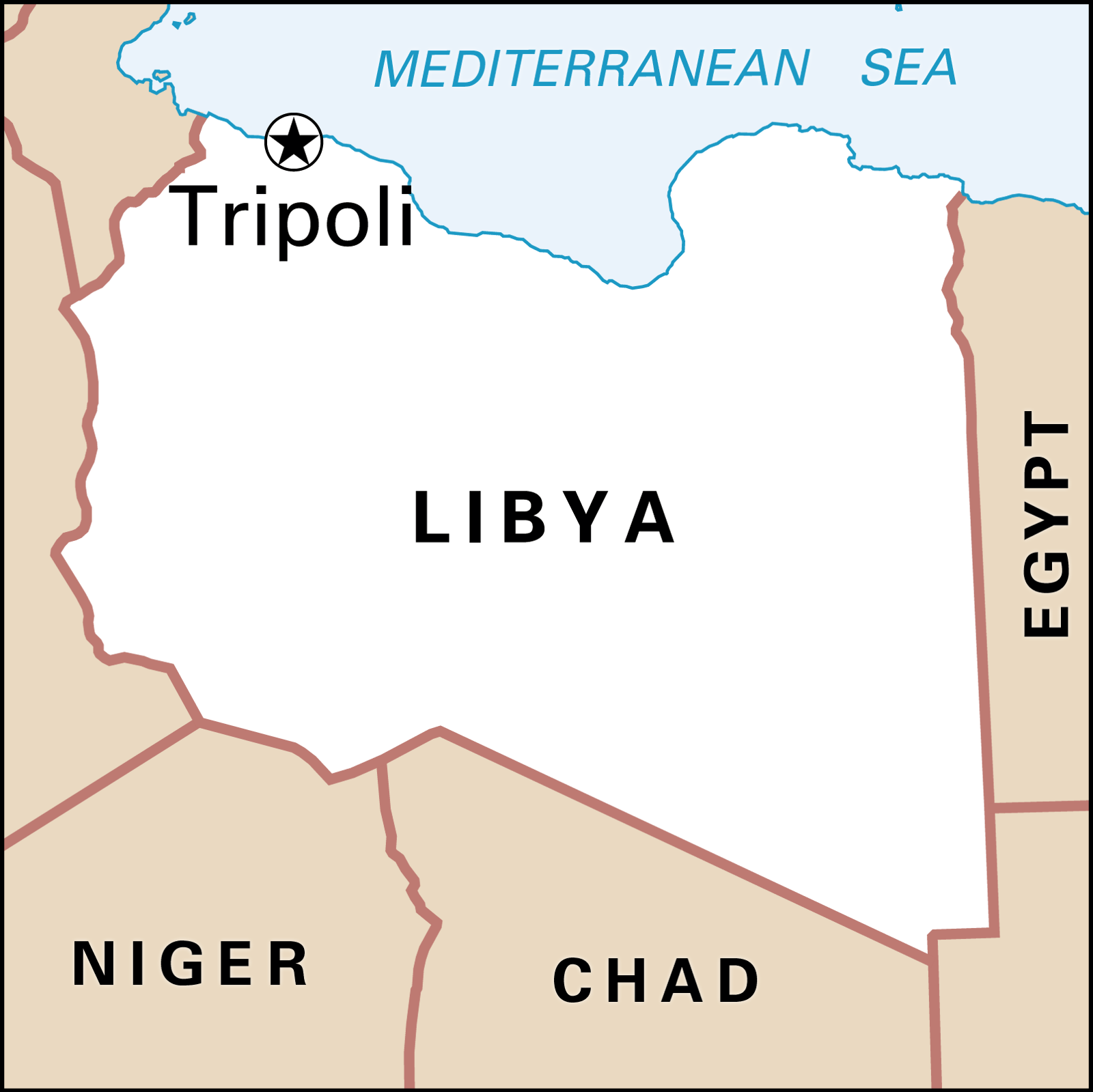
Tripoli, the capital city of Libya, is a city steeped in history and cultural significance. As one of the oldest cities in the Mediterranean, its importance extends far beyond its geographic location. Even today, Tripoli plays a vital role in the socio-economic landscape of Libya, serving as a focal point for politics, culture, and tourism. Understanding Tripoli’s multifaceted nature is essential for grasping the complexities of modern Libya.
A Glimpse into History
Founded around 600 BC by the Phoenicians, Tripoli has seen a myriad of civilizations pass through, including the Romans, Byzantines, and Ottomans, each leaving an indelible mark on its culture and architecture. The city’s medina, a UNESCO World Heritage site, boasts a labyrinth of narrow streets and traditional souks, reflecting its vibrant history and serving as a popular attraction for both locals and tourists.
Recent Developments
In recent months, Tripoli has been in the spotlight due to its ongoing recovery from years of conflict and instability. The United Nations-backed Government of National Unity has sought to stabilise the region, facilitating a fragile peace following years of civil war that have disrupted daily life. Despite political challenges, recent reports indicate a gradual reopening of businesses and a resurgence in tourism, highlighting the city’s resilience.
Cultural Significance and Attractions
Tripoli is not only important politically but also culturally. The city hosts numerous museums and historical sites, including the National Museum of Libya, which showcases the country’s rich archaeological heritage. Additionally, the Red Castle (Assai al-Hamra) stands as a powerful symbol of Tripoli, offering insights into the majestic moments of Libyan history. The importance of capturing and preserving Tripoli’s history cannot be overstated, as it reflects the identity and aspirations of the Libyan people.
Conclusion
As Libya continues to chart its path towards stability and development, Tripoli is at the forefront of these efforts. Its rich tapestry of history, culture, and modern-day significance makes it a critical area of interest for those looking to understand Libya’s past and future. Exploring Tripoli is not merely a journey through geography, but a plunge into the heart of a nation striving to redefine itself. Observers and stakeholders should continue to monitor developments in Tripoli, as the city is poised to reclaim its position as a key player in North African politics and culture.