









Introduction
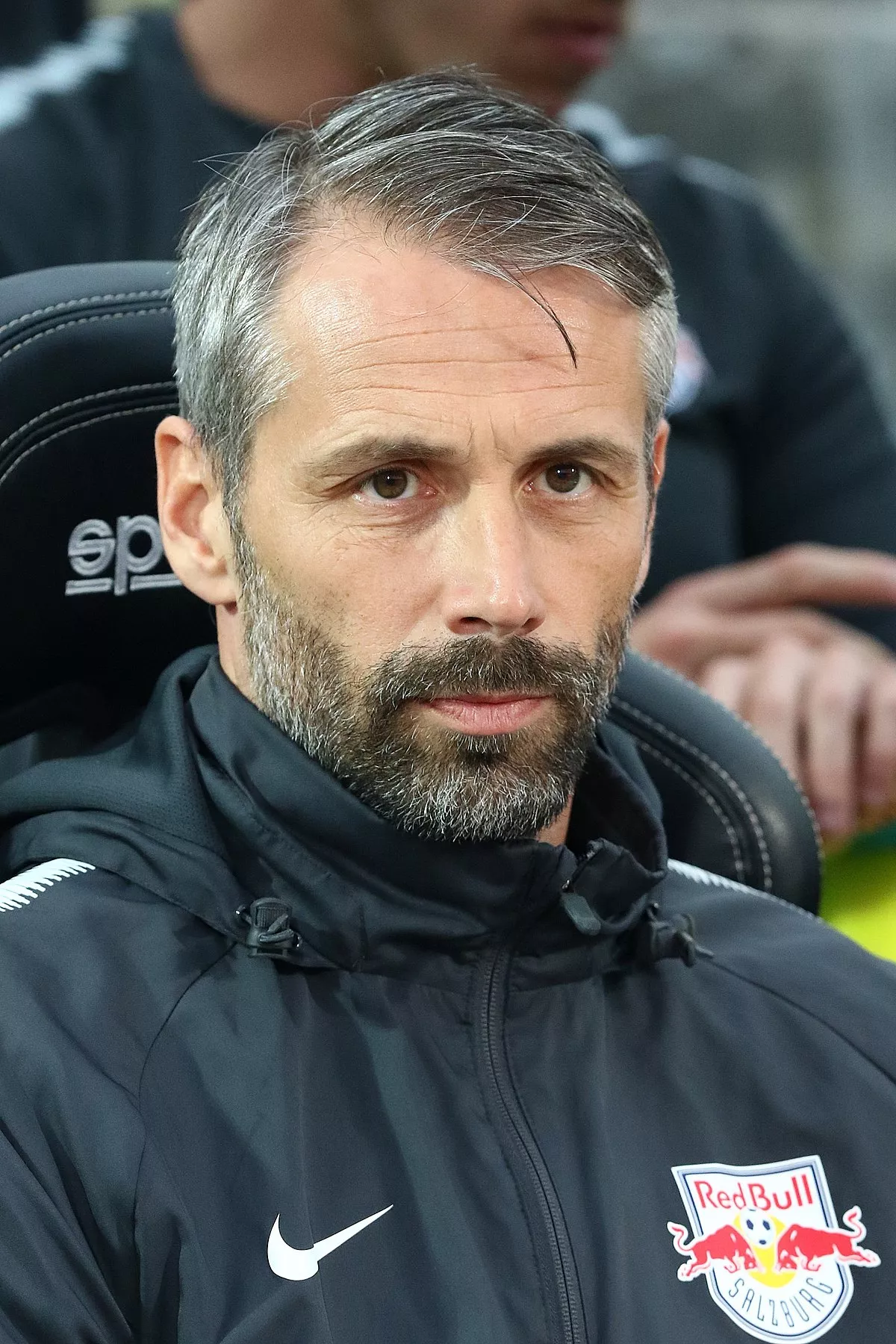
Marco Rose has emerged as one of the most exciting figures in modern football management. His tactical prowess and strong leadership have garnered attention across Europe, particularly as the landscape of football continues to evolve. This article delves into his career trajectory, highlighting his latest exploits and their implications for the sport.
Early Career
Born on September 11, 1976, in Leipzig, East Germany, Marco Rose began his professional playing career as a defender. After stints with several local clubs, including FC Sachsen Leipzig and 1. FC Kaiserslautern, he transitioned into coaching following his retirement from active play in 2011. His coaching career kick-started in the youth ranks of 1. FSV Mainz 05, where he developed a keen understanding of player development.
Breakthrough at FSV Mainz 05
In 2019, Marco Rose took on his first major managerial role at Borussia Dortmund, holding a position geared towards restoring the club’s competitive edge in the Bundesliga and Europe. During his tenure, he was noted for implementing an aggressive pressing style and fostering young talents into the first team. His efforts led Dortmund to the knockout stages of the UEFA Champions League, earning recognition as one of the most promising managers in football.
Recent Developments
After a notable stint at Borussia Dortmund, Rose took on the challenge of managing RB Leipzig. This recent appointment in the summer of 2022 marked a new chapter in his managerial career. Under his leadership, Leipzig aims to compete for the Bundesliga title and make a significant impact in European competitions. His tactical nous has already begun to show positive results as the team navigates both domestic leagues and European tournaments.
Significance to Football
Marco Rose’s methods and philosophies resonate with a new generation of managers who prioritise dynamic strategies and flexible formations. His emphasis on utilising young players, alongside his ability to adapt game plans mid-match, places him at the forefront of modern football management. As clubs increasingly prioritise results, Rose’s philosophy could redefine coaching trends in the next decade.
Conclusion
The trajectory of Marco Rose’s career illustrates the potential for strategic evolution within football management. As he continues to lead RB Leipzig, the eyes of the football world remain on his innovative approach and its implications for both club and international levels. For fans and analysts alike, following Rose’s career will be essential, as it may signal future trends in coaching and player development in European football.