









Introduction
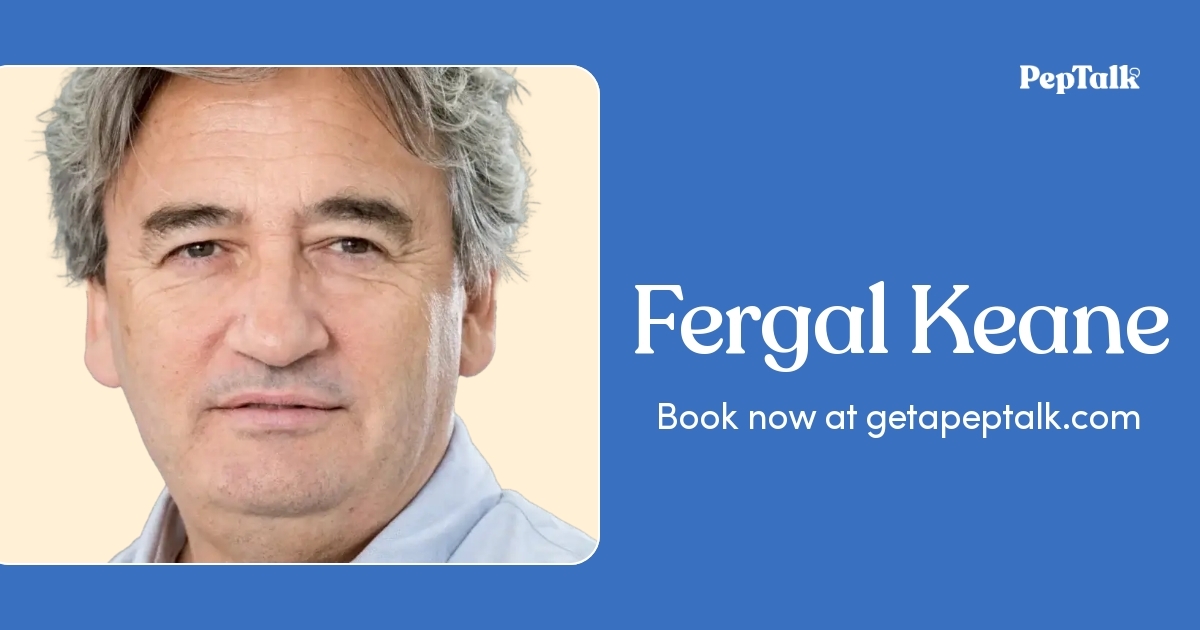
Fergal Keane, an esteemed journalist and author, has significantly influenced the world of journalism with his compelling narratives and insightful reporting. His career spans decades, where he has covered some of the most pivotal conflicts and human experiences of our time. In an era where journalism faces unprecedented challenges, Keane’s work continues to resonate, demonstrating the importance of journalistic integrity and storytelling.
Career Highlights
Born in 1961 in London to Irish parents, Keane began his journalism career with The Irish Times and quickly rose to prominence due to his intelligent reporting. He became the BBC’s Africa correspondent in the early 1990s, where he reported from conflict zones such as Somalia, Rwanda, and Sierra Leone. His harrowing accounts of these crises not only brought global attention to their realities but also illustrated the human cost of war.
Keane’s coverage of the Rwandan Genocide in 1994 was particularly impactful, earning him widespread recognition for his ability to convey the deep human suffering amidst chaos. He has authored several books, including *The Bondage of Freedom* and *Season of Blood*, which provide a powerful lens through which to understand the complexities of conflict.
Recent Developments
In recent months, Fergal Keane has continued to be an influential voice in journalism. He announced his retirement from the BBC after a lengthy career, signalling a transition yet sharing his reflections on the future of journalism. In his farewell address, he urged younger journalists to uphold the values of compassion and truth-telling, especially in an age dominated by misinformation.
Moreover, he recently spoke at various literary festivals, sharing insights from his experiences in war zones and the ethical challenges journalists face today. His work continues to be a source of inspiration for budding journalists and veteran reporters alike, reminding them of the power of storytelling in unifying and educating the public.
Conclusion
The significance of Fergal Keane’s contributions to journalism cannot be overstated. His fearless reporting in the face of adversity highlights the critical role journalists play in documenting history and advocating for the voiceless. As new generations of journalists emerge, the legacy of Keane serves as both a guideline and an inspiration, reinforcing the idea that journalism should not merely inform but fundamentally engage with the human condition.