









Introduction
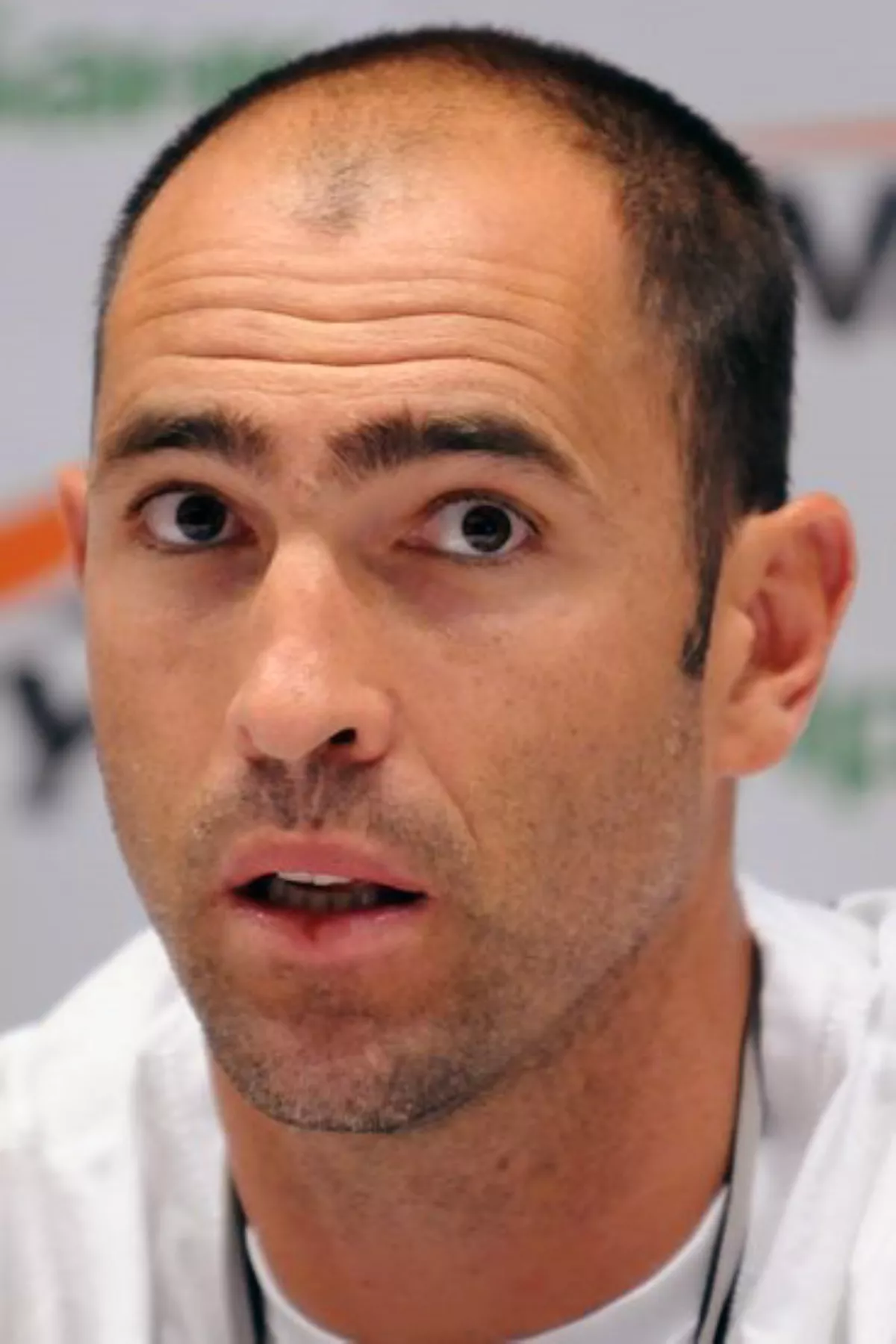
Igor Tudor has emerged as a prominent figure in football management, capturing attention for his tactical prowess and leadership skills. In an era where coaching consistency is scarce, Tudor’s recent ascent in the football world exemplifies the changing dynamics of the sport. His journey reflects the growing trend of young managers reshaping traditional strategies and bringing renewed energy to their teams.
Career Background
Born on April 16, 1978, in Croatia, Tudor had a successful playing career, representing clubs like Hajduk Split and Juventus. Transitioning into management, he took the reins at various clubs, including the Croatian national team’s youth squads. His recent tenure at Hellas Verona catapulted him to the forefront, leading to notable successes that caught the eyes of higher-profile clubs.
Recent Achievements
In 2022, Tudor made headlines when he was appointed as the head coach of Olympique de Marseille. His impact was immediate; he guided the team to a strong finish in Ligue 1 and steered them into the UEFA Champions League, surpassing many pre-season expectations. Under his management, Marseille showcased a dynamic playing style characterised by high pressing and aggressive attacking football, appealing to both players and fans alike.
Coaching Philosophy
Tudor’s coaching philosophy revolves around adaptability and player development. He focuses on building robust relationships with his players, encouraging them to take responsibility on and off the pitch. His emphasis on modern football tactics, combined with a deep understanding of player psychology, positions him as a forward-thinking coach capable of extracting the best from his squad.
Looking Ahead
The future looks bright for Igor Tudor. With Ligue 1 becoming increasingly competitive, fans and analysts are keenly observing how he manages player transfers and adjusts his strategies in the upcoming seasons. Should he continue on this trajectory, there is widespread speculation that he may eventually be considered for even larger clubs or national team positions.
Conclusion
Igor Tudor’s rise in football management is a testament to his hard work and innovative approach to coaching. His ability to adapt and inspire teams makes him one of the most exciting managers to watch in contemporary football. As he continues to develop his craft, the football community eagerly anticipates how his career will unfold and the impact he will leave on the game.