








Introduction
Guatemala, a Central American gem known for its rich cultural heritage and stunning natural landscapes, continues to capture the attention of travellers and researchers alike. As the country re-emerges from the struggles of past decades, understanding its current dynamics and cultural significance becomes increasingly important. This article explores the importance of Guatemala in today’s context, touching upon its history, culture, political landscape, and ecological richness.
A Glimpse into Guatemalan Culture
Home to the ancient Maya civilization, Guatemala boasts a mosaic of cultures and traditions that resonate through its art, music, and festivals. The 23 different ethnic groups, each with their own languages and customs, contribute to a unique blend that is as diverse as the country’s landscapes. Celebrations such as the Day of the Dead and Semana Santa (Holy Week) attract both locals and tourists, showcasing the vibrant traditions that have been preserved over generations.
Political Stability and Challenges
In recent years, Guatemala has made strides towards political stability, following decades of civil conflict and political turmoil. The government under President Alejandro Giammattei, who took office in January 2020, has been focused on addressing corruption and promoting economic development. However, challenges remain, including high levels of poverty, migration pressures, and the ongoing impacts of the COVID-19 pandemic. According to the World Bank, approximately 59% of the population lives below the national poverty line, highlighting the social and economic hurdles the country still faces.
Natural Beauty and Ecotourism
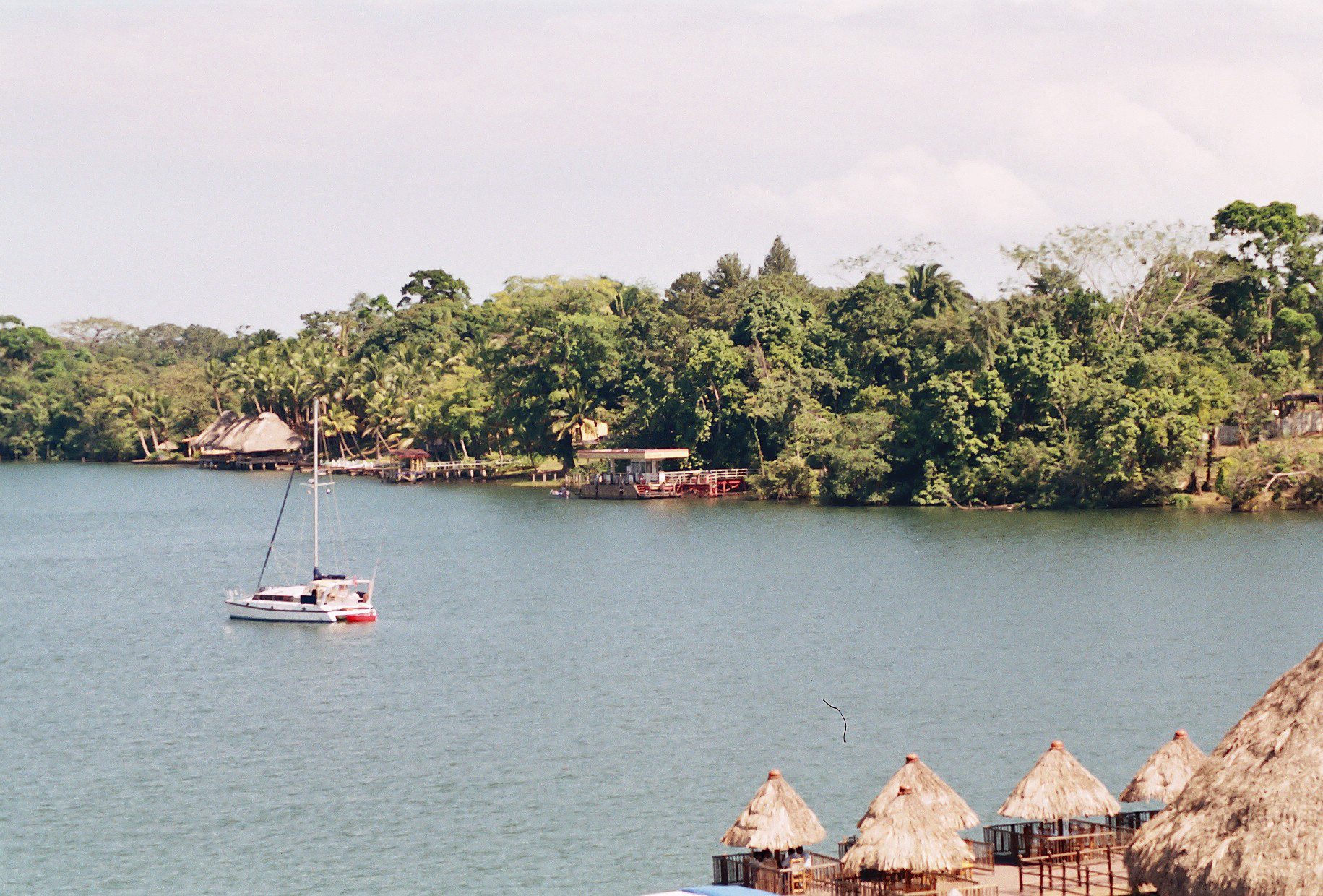
Guatemala’s natural beauty, featuring a range of ecosystems from volcanic mountains to lush rainforests, has made it a target for ecotourism. Areas such as Lake Atitlán, often referred to as one of the most beautiful lakes in the world, and the ancient ruins of Tikal, a UNESCO World Heritage site, attract visitors worldwide. The government and local communities are increasingly recognising the importance of sustainable tourism as an avenue for economic growth while ensuring the preservation of their biodiversity and cultural sites.
Conclusion
As Guatemala continues to evolve, it stands at a crossroads where cultural heritage and modern challenges intersect. The efforts to promote political stability, economic growth, and sustainable tourism present a hopeful future for the nation. For readers interested in exploring new horizons, Guatemala offers not just scenic beauty and rich history but also a deeper understanding of resilience and cultural identity in the face of challenges. The journey through Guatemala is not just a visit to a destination, but an experience that intertwines the past and the present, making it a significant focal point in today’s world.