









Introduction
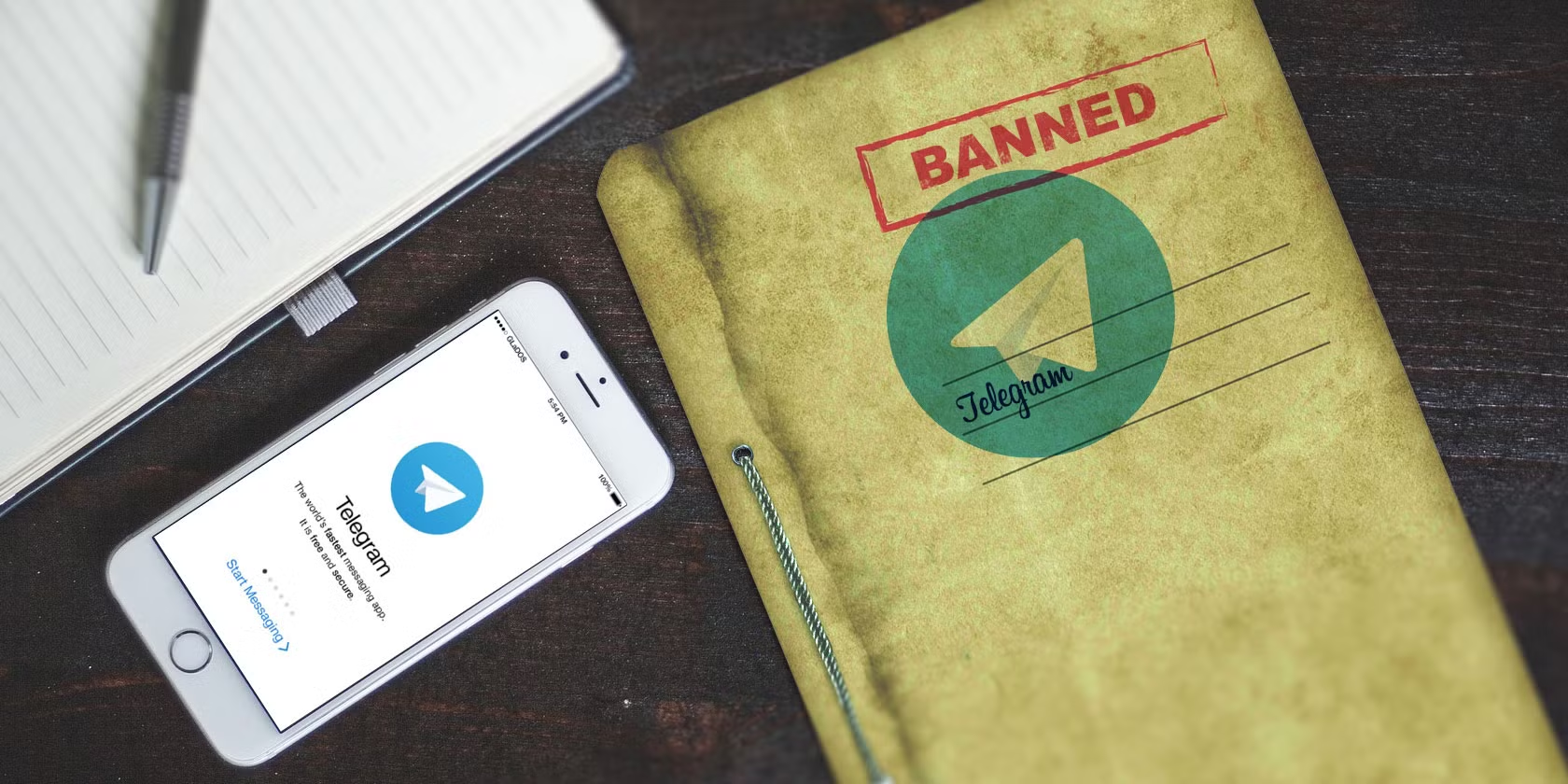
The recent decision by the Russian government to impose restrictions on the messaging platform Telegram has raised significant concerns about freedom of communication and the dissemination of information within the country. As social media and digital communication play an increasingly vital role in global discourse, understanding the implications of such a ban is crucial for both Russian citizens and the international community.
The Rationale Behind the Ban
In early March 2023, the Russian authorities announced a ban on Telegram, citing security concerns and the need to combat extremist content. This move followed a series of protests and anti-government demonstrations that had been organised using the platform. The government claims that limiting access to certain digital platforms helps protect national security and public order.
International Reaction
The reaction to the ban has been swift, with various human rights organisations condemning the move as an infringement on freedom of expression and an attempt to stifle dissent. Amnesty International and Human Rights Watch have called on the Russian government to respect citizens’ rights to communicate freely and access information without government interference. The European Union has also expressed its concern, arguing that such actions could further isolate Russia on the global stage.
Impact on Telegram Users in Russia
With over 20 million users in Russia, Telegram has become a critical tool for communication for many, serving both personal and professional purposes. The ban poses significant difficulties for users, particularly those reliant on the platform for business or social connection. Many users are seeking alternative messaging apps, but this creates more fragmentation in communication.
Legal and Technical Challenges
The ban is expected to face legal challenges, as many users and advocacy groups are prepared to contest the government’s decision in court. Moreover, from a technical standpoint, the ban raises questions about enforcement and practicality—Telegram is known for its strong encryption and privacy features, which can make it resistant to outright bans.
Conclusion
The implications of the Russia Telegram ban extend beyond mere communication; they encapsulate broader themes of governance, freedom of speech, and the digital landscape. As the situation develops, it will be essential for both citizens of Russia and observers worldwide to monitor how this ban evolves and the potential ramifications it may have on the nation’s sociopolitical climate. With an ongoing global conversation about digital rights and security, the outcome of this ban could set important precedents for other countries contemplating similar restrictions.