









Introduction
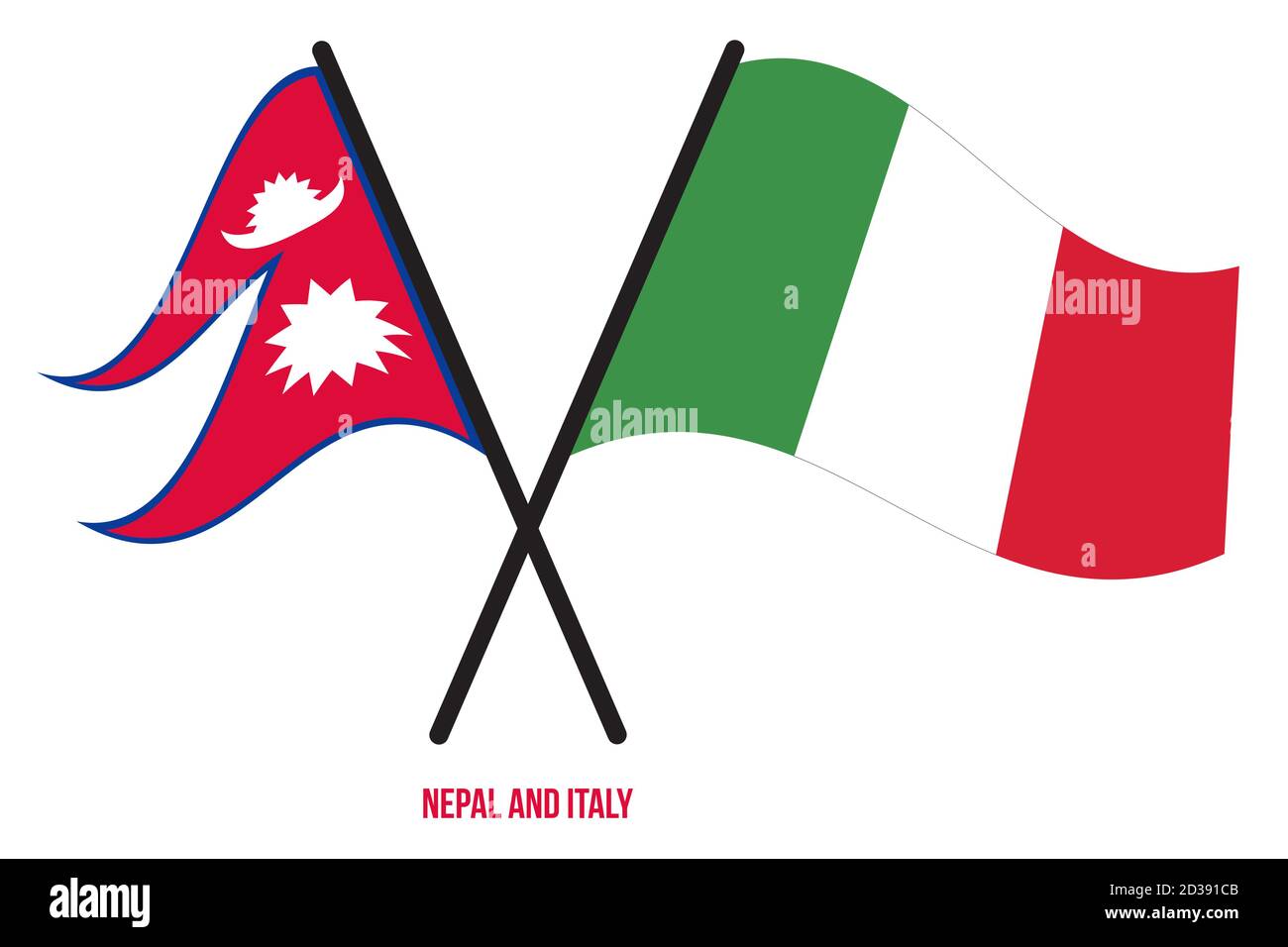
The comparison between Nepal and Italy highlights the rich cultural diversity and historical significance of two countries that are geographically and culturally distant. While Nepal, located in South Asia, is famous for its majestic Himalayas and rich traditions, Italy, situated in Southern Europe, is celebrated for its art, architecture, and culinary legacy. Understanding these differences enhances cultural appreciation and broadens horizons for travellers and students alike.
Geographical Overview
Nepal is renowned for its stunning topography, home to the tallest mountain in the world, Mount Everest. Its diverse landscape varies from lush plains in the Terai region to towering peaks in the Himalayas, facilitating a multitude of ecosystems and lifestyles. Conversely, Italy’s geography is characterised by its vineyards, rolling hills, and coastal cities, such as Venice and Naples, which embody the Mediterranean lifestyle. Each country’s geography profoundly influences its culture and economy.
Historical Context
Nepal’s history is rich with ancient traditions, influenced by Hinduism and Buddhism, evident in its numerous temples and festivals. The country’s history as a trade route between India and Tibet has led to a blend of cultures. Italy’s history, on the other hand, stretches back to Roman civilization, which laid the foundations for Western culture. Its numerous UNESCO World Heritage sites, from the Colosseum to the Leaning Tower of Pisa, reflect a deep historical narrative of art, conquest, and revival.
Cultural Differences
The cultural nuances between Nepal and Italy also deserve attention. While Nepali culture is characterised by communal festivals such as Dashain and Tihar and a strong adherence to traditional values, Italy prides itself on its regional diversity, showcased through local dialects, cuisine, and traditions. Italian art and fashion stand out globally, with cities like Florence and Milan leading creative industries. In contrast, Nepal’s cultural offerings are rooted in spirituality and local craftsmanship, resulting in unique handicrafts and traditional music.
Conclusion
In conclusion, the comparison of Nepal and Italy reveals much about the unique characteristics that define each country. While they boast differing landscapes, histories, and cultures, both nations offer invaluable contributions to the global heritage. This analysis underscores the importance of understanding and appreciating cultural differences, encouraging citizens to develop a global perspective. As the world becomes increasingly interconnected, fostering appreciation for diverse cultures is paramount for future generations of travellers and scholars.