








Introduction
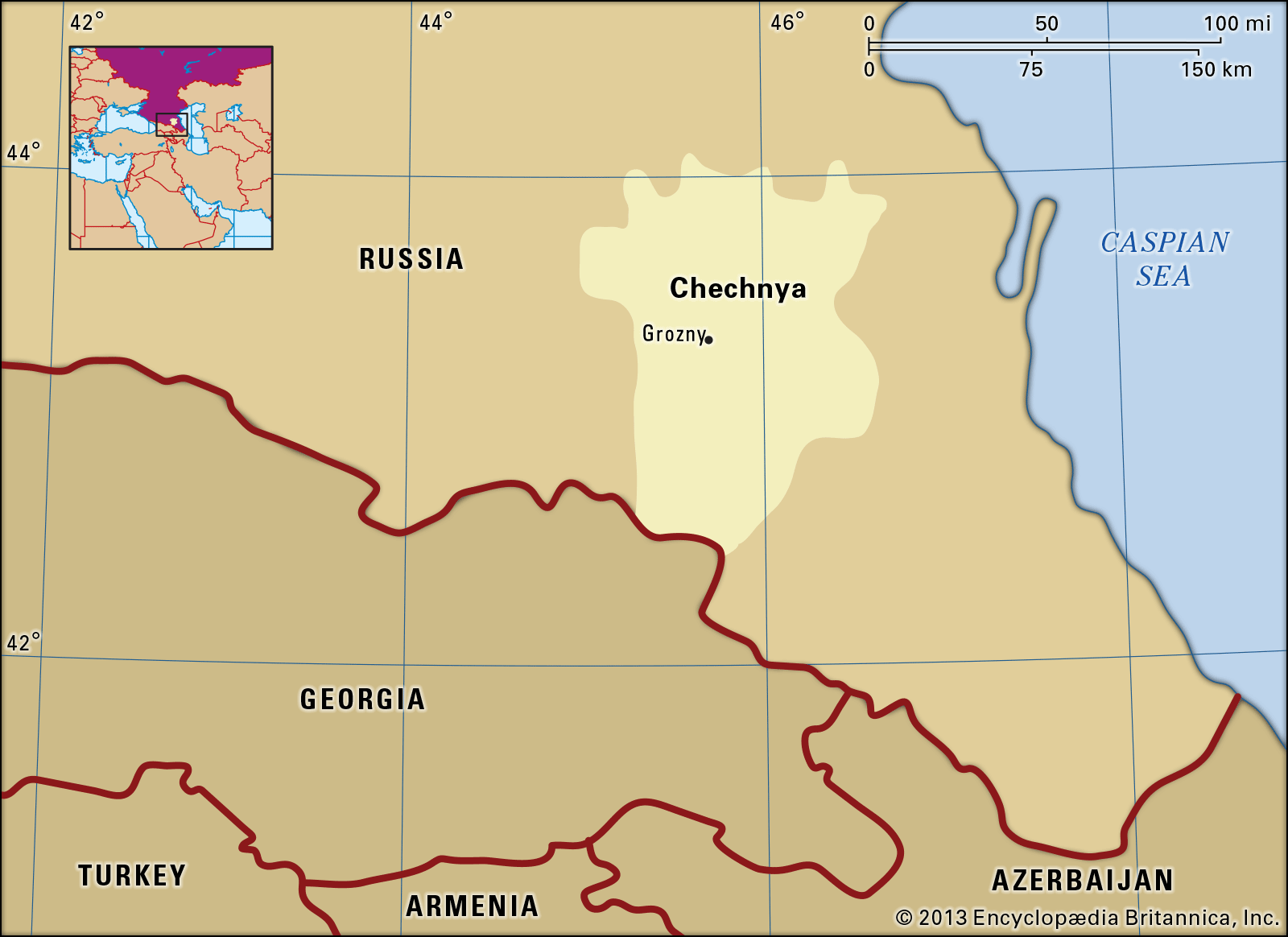
Chechnya, a republic in the North Caucasus region of Russia, has been in the international spotlight due to its complex history and ongoing social challenges. The region’s significance is underscored by its tumultuous past, which includes two devastating wars in the 1990s and early 2000s, as well as continued reports of human rights violations. As global attention shifts towards issues of governance, freedom, and regional stability, understanding Chechnya’s current dynamics is more critical than ever.
Recent Events in Chechnya
In recent months, Chechnya has been a focal point for discussions surrounding human rights abuses, particularly concerning LGBTQ+ individuals. Reports from international human rights organisations indicate a series of crackdowns against the LGBTQ+ community, with documented instances of arrests, torture, and extrajudicial killings. Despite these accusations, Chechen authorities, led by Ramzan Kadyrov, have staunchly denied such allegations, asserting that such individuals do not exist in Chechnya. This statement has drawn widespread condemnation from human rights advocates across the globe.
Moreover, Chechnya’s socio-economic landscape continues to evolve amid ongoing investments and infrastructure projects. The region has recently seen a surge in development initiatives aimed at promoting local economy through tourism and hospitality sectors. However, these efforts are often overshadowed by the concerns regarding personal freedoms and safety proclaimed by numerous activists.
The Political Climate
The political atmosphere in Chechnya remains tightly controlled with Ramzan Kadyrov, who has led the region since 2007, maintaining an iron grip. His approach has been characterised by a combination of heavy-handed policing and efforts to secure loyalty through patronage. Kadyrov’s association with the Kremlin adds a layer of complexity; while he operates with considerable autonomy, he is also expected to align with Vladimir Putin’s broader objectives in the North Caucasus.
Conclusion
Chechnya’s place on the global stage reveals a stark contrast between a rapidly developing territory and a populace facing significant repression. As international attention remains focused on human rights violations and systemic issues within the region, it is clear that Chechnya presents both challenges and opportunities. Observers suggest that without significant political change or increased pressure from the international community, the cycle of abuse and suppression could continue, making the future political landscape of Chechnya a critical point of interest as it changes in response to both internal and external dynamics.