








Introduction
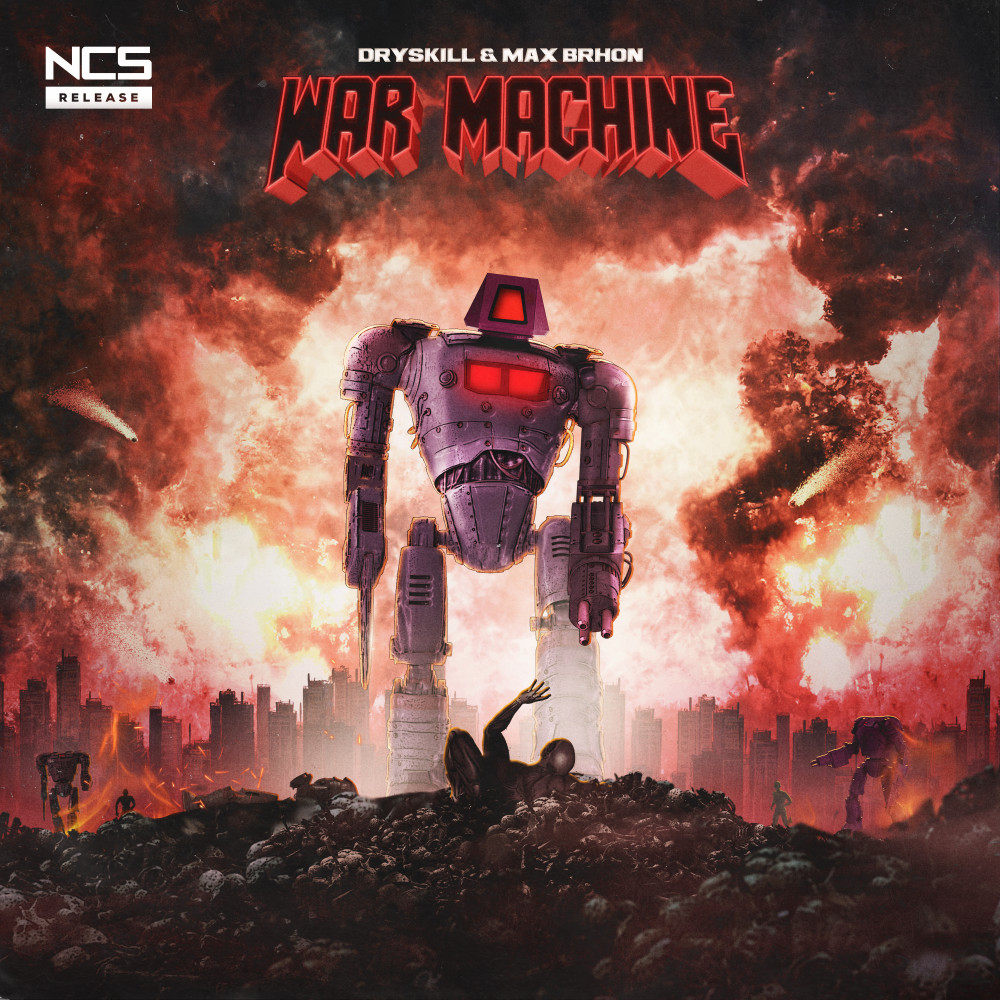
The concept of the ‘war machine’ has evolved significantly over the years, particularly in light of technological advancements and geopolitical changes. Understanding its importance is crucial as it influences military strategy, national security, and international relations. As conflicts arise globally, the war machine remains at the forefront of discussions concerning military preparedness and response.
The Evolution of the War Machine
Traditionally, the term ‘war machine’ referred to the collective military capability of a nation, including its army, navy, air force, and technological infrastructure. In the 21st century, this definition has expanded to encompass not just traditional military units but also cyber warfare capabilities, unmanned systems, and advanced weaponry such as drones and precision munitions. According to a recent report by the Stockholm International Peace Research Institute (SIPRI), global military expenditure reached an unprecedented $2 trillion in 2023, highlighting the increasing investment nations are making in their war machines.
Recent Developments
In recent years, the war machine’s role has been prominently featured in crises such as the ongoing conflict in Ukraine, where advanced military systems from various countries are being deployed to bolster defence capabilities. NATO forces have strengthened their presence in Eastern Europe in response to Russian aggression, demonstrating the significance of a robust war machine in maintaining security allies. Additionally, advancements in artificial intelligence are reshaping military strategies, enabling faster decision-making and enhanced operational efficiency.
Global Implications
The potency of a nation’s war machine also has broad implications beyond mere military outcomes. It influences diplomatic relations, trade partnerships, and humanitarian efforts. The ability of a nation to project power effectively can deter aggression or encourage cooperative security arrangements among allies. However, it also raises ethical questions about international arms sales and the responsibility of powerful nations in conflict zones.
Conclusion
As we look to the future, the war machine is likely to continue evolving alongside technological advancements and shifting geopolitical landscapes. Understanding this evolution is vital for policymakers, military strategists, and citizens as they navigate an interconnected world where the stakes can be incredibly high. The implications of how nations choose to build and utilise their war machines will resonate far beyond their borders, affecting global peace and security for years to come.