








Introduction
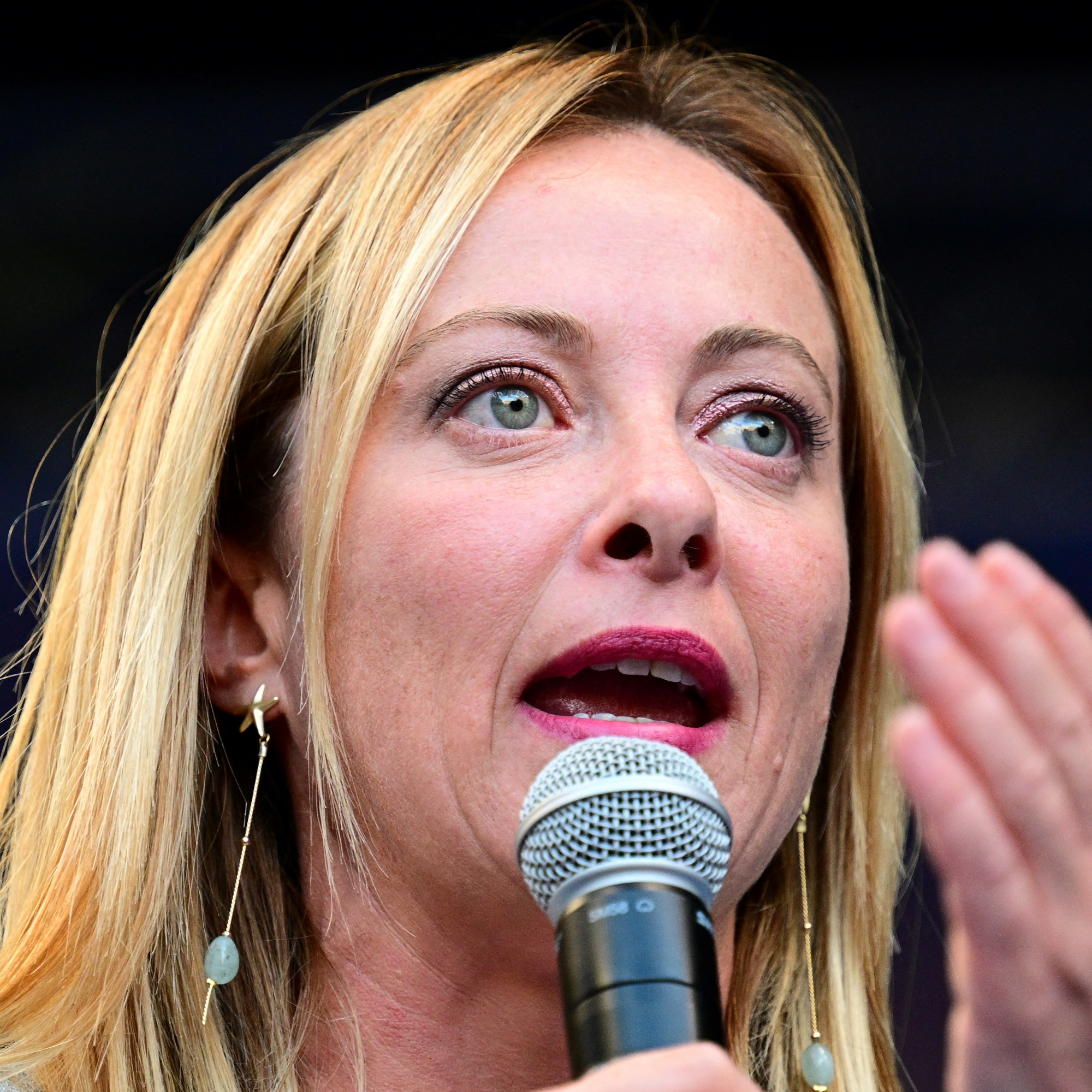
In a historic moment for Italian politics, Giorgia Meloni has emerged as the first female Prime Minister of Italy, a role that underscores not only her personal achievements but also the evolving landscape of political representation in Italy. As the leader of the Brothers of Italy party, Meloni’s ascent to power has been marked by her populist and nationalist rhetoric, resonating with many voters amid ongoing economic and societal challenges.
Historical Context and Election Success
Giorgia Meloni secured her position as Prime Minister following the 2022 general elections in Italy, where her party gained considerable traction. The Brothers of Italy, founded in 2012, rooted itself in a platform that prioritises Italian nationalism, social conservatism, and economic reforms aimed at boosting the local economy. Her leadership style has been characterised by a strong focus on traditional values, family-oriented policies, and a staunch stance against illegal immigration.
Her rise can be partly attributed to Italy’s recent political volatility—marked by frequent governmental changes and the challenges posed by the COVID-19 pandemic. This situation created fertile ground for Meloni’s rhetoric, which promises stability and a return to national priorities. In the aftermath of the election, she secured support not only from her party but also from the right-wing coalition, reinforcing her position at the forefront of Italian politics.
Policy Direction and Challenges Ahead
As Prime Minister, Meloni faces a series of challenges that will test her leadership capabilities. Italy’s economy, still recovering from the pandemic, requires robust strategies for growth and employment. Furthermore, rising inflation and energy crises stemming from geopolitical tensions in Europe have added layers of complexity to her administration’s agenda. Meloni has expressed intentions to revise budget priorities to address these urgent issues while maintaining her party’s core values.
Additionally, Meloni’s approach to immigration policy has drawn significant attention, with plans to tighten border controls and reduce the number of asylum seekers allowed into Italy. This stance has provoked both domestic and international dialogue, raising concerns regarding human rights and international obligations.
Conclusion
Giorgia Meloni’s appointment as Italy’s first female Prime Minister represents a turning point in the country’s political narrative. Her success reflects changing sentiments among the electorate, particularly in times of social and economic distress. As she navigates the complexities of governance, her policies and decisions will not only influence Italy’s future but also have implications for the broader European political landscape. Observers will undoubtedly watch her term closely, anticipating how her leadership will redefine Italy’s role within the EU and on the world stage.