








Introduction
Armenia, a landlocked country in the South Caucasus region of Eurasia, has witnessed significant political, social, and economic changes in recent years. Not only rich in history and culture, but Armenia also plays a critical role in regional stability, especially given its complex relations with neighbouring countries. In 2023, these dynamics are shaped by ongoing conflicts, the impact of geopolitical tensions, and efforts for reforms, making it imperative to examine the current situation.
Political Landscape
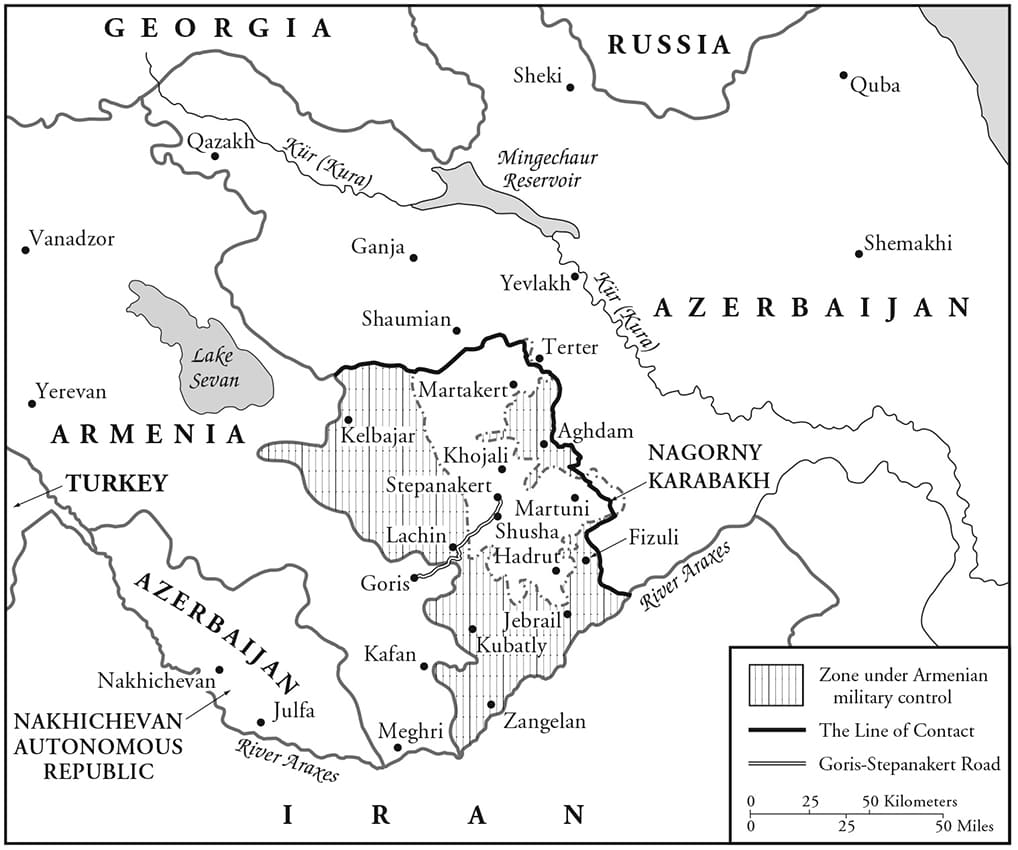
Following the 2020 Nagorno-Karabakh conflict, relations between Armenia and Azerbaijan have remained strained. A ceasefire brokered by Russia ended the hostilities, but the situation has evolved with sporadic clashes still occurring. The Armenian government, led by Prime Minister Nikol Pashinyan, is striving to navigate these challenges while implementing democratic reforms and tackling corruption. Recent parliamentary sessions have seen heated debates about national security, territorial integrity, and relations with Russia and the West.
Social Developments
Socially, Armenia faces a myriad of issues ranging from economic hardship to the need for sustainable growth. Youth emigration remains a significant concern as many young Armenians seek better opportunities abroad. This has led to a demographic challenge that could hinder long-term growth. However, grassroots movements and civic engagement have increased, with more people voicing their concerns over government policies and advocating for change.
Economic Impacts
The economy of Armenia is gradually recovering from the impacts of the COVID-19 pandemic, yet it remains vulnerable to external shocks, particularly due to its reliance on remittances and foreign investments. The Armenian government has pursued various initiatives to boost economic development, from detailed strategies for tech start-ups to promoting tourism. The special interest in information technology is significant, with the country positioning itself as a regional tech hub.
Conclusion
In conclusion, Armenia stands at a crossroads in 2023. With its historical legacies, ongoing political tensions, and economic recovery efforts, the country is on a path that will require judicious decision-making and international support. The significance of understanding these dynamic changes cannot be overstated—how Armenia navigates its complex reality may set the tone for its future stability and development. As events unfold, it is crucial for both local and international observers to stay informed on Armenia’s journey ahead.