








Introduction
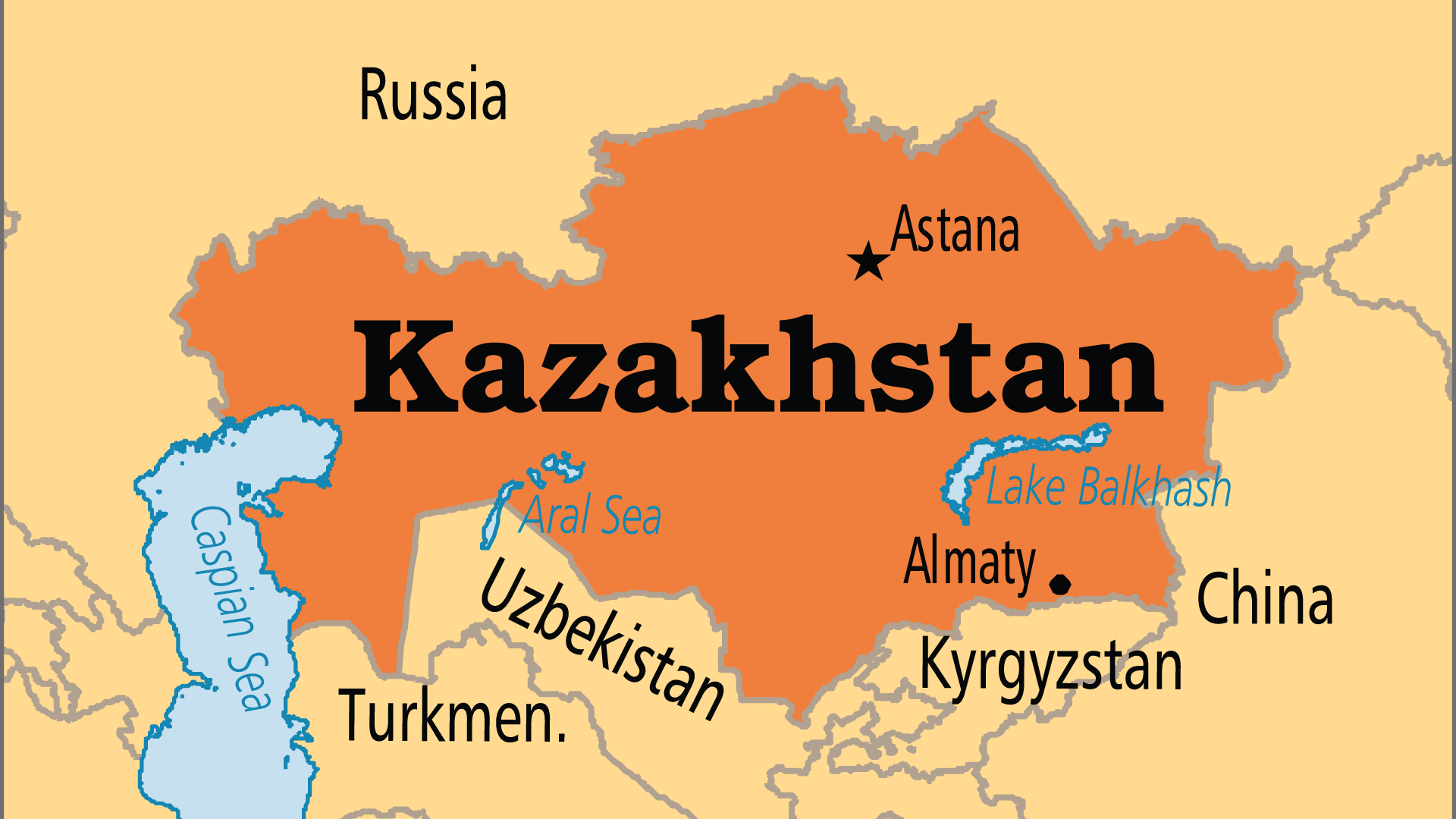
Kazakhstan, the largest landlocked country in the world, has been gaining increasing attention on the global stage due to its strategic location and significant natural resources. As a bridge between Europe and Asia, it plays a crucial role in international trade and diplomacy. Recent developments have further highlighted its importance, making it a country worthy of exploration for investors, travellers, and policymakers alike.
Economic Growth and Resources
Kazakhstan’s economy is one of the most robust in Central Asia, heavily reliant on its vast natural resources, particularly oil, gas, and minerals. As of 2023, the country is the world’s 12th largest oil producer, showing resilience in the face of global economic challenges. The government has implemented various reforms to attract foreign investment, aiming to diversify the economy beyond resource dependence. Such measures have resulted in a growing interest from international companies, particularly in the sectors of technology, agriculture, and infrastructure.
Geopolitical Significance
In recent events, the geopolitical significance of Kazakhstan has been underscored by its involvement in international agreements and regional partnerships. The country is a key member of organisations like the Eurasian Economic Union (EAEU) and the Shanghai Cooperation Organization (SCO). Kazakhstan has also taken on a mediator role in regional conflicts, aiming to enhance stability in Central Asia. The recent hosting of peace talks has reaffirmed its commitment to diplomacy and cooperation.
Cultural Heritage and Tourism Development
Culturally, Kazakhstan is a melting pot of influences, with a rich history that includes influences from Mongol, Turkic, and Russian cultures. The capital city, Nur-Sultan (formerly Astana), showcases modern architecture while preserving traditional elements. In recent years, Kazakhstan has made efforts to boost its tourism sector, inviting visitors to explore its beautiful landscapes, from the steppes to the Altai mountains, and historical sites along the Silk Road.
Conclusion
As Kazakhstan continues to evolve, its potential as a strategic partner in trade, security, and cultural exchange grows. The government’s focus on economic diversification and international collaboration is likely to yield positive outcomes, positioning Kazakhstan as a significant player in both regional and global contexts. For businesses and tourists alike, the country’s rich offerings present numerous opportunities that extend beyond its borders. As we look to the future, Kazakhstan’s growth marks it as a country with which the world will increasingly engage.