









Introduction
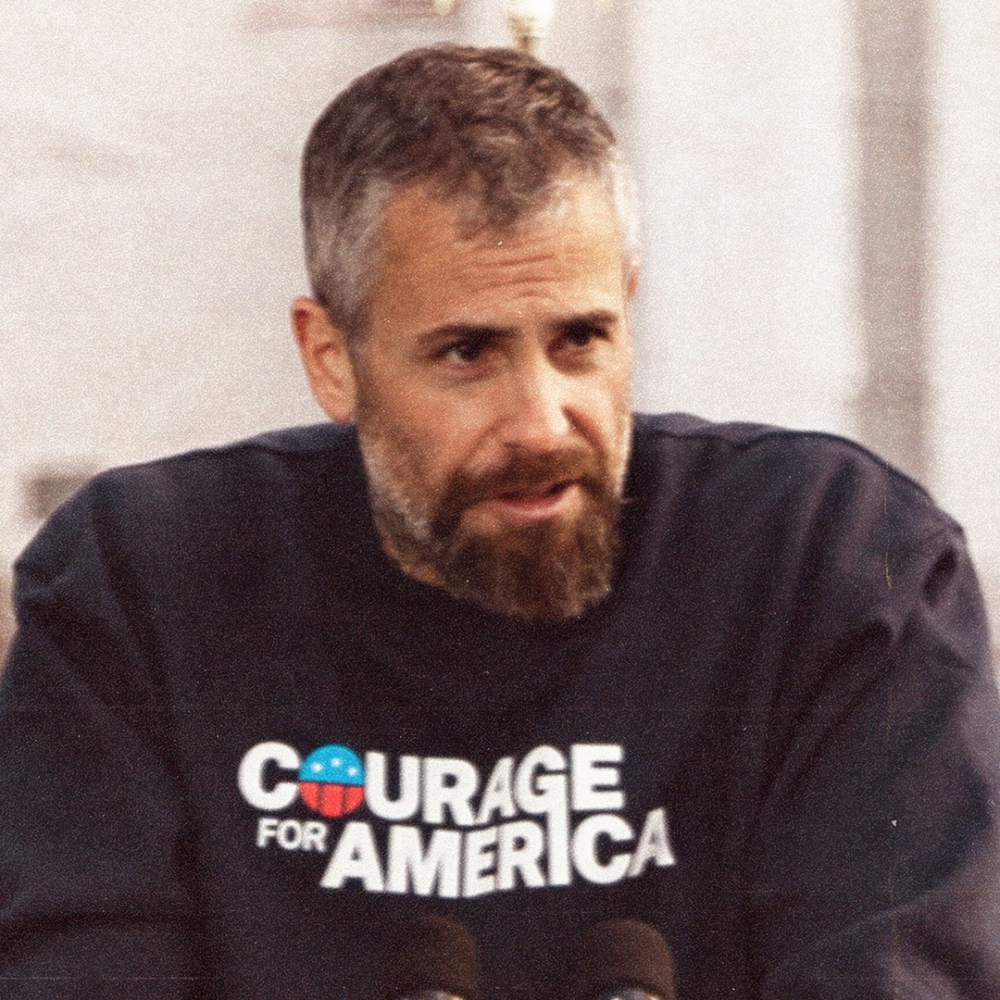
Michael Fanone, a former officer with the United States Capitol Police, has become a prominent figure in discussions surrounding the January 6, 2021, insurrection. His experiences during the attack shed light on the brutal reality faced by law enforcement on that day, and highlight ongoing debates about democracy, violence, and accountability in America.
Events of January 6th
On January 6, 2021, as a mob of supporters of then-President Donald Trump stormed the U.S. Capitol, Officer Fanone was on duty, responding to the unprecedented violence. During the riots, he suffered serious injuries, including a traumatic brain injury, after being violently assaulted by rioters. His harrowing accounts of that day not only captured the chaos but have also underscored the physical and psychological toll on law enforcement personnel who were trying to protect the democratic process.
Fanone’s Advocacy and Testimony
Since the insurrection, Michael Fanone has transitioned from being a police officer to a vocal advocate for law enforcement reform and accountability. His testimony before Congress and media appearances have garnered significant attention, calling for acknowledgment of the dangers posed by political extremism and the necessity of protecting democracy. He has been outspoken about how the justice system must address the violence inflicted on police officers and the need for broader societal change to prevent future incidents.
Fanone’s personal experiences and insights have also catalyzed discussions on mental health support for first responders, paving the way for initiatives aimed at providing necessary resources for those affected by such traumatic events.
Current Implications and Future Outlook
As the political landscape continues to evolve, the significance of Fanone’s experiences remains critical. His perspective encourages a re-evaluation of how society views the sacrifices made by law enforcement and the increasing threats posed by domestic extremism. With a focus on healing and reform, Fanone envisions a future where accountability and respect for democracy take precedence over partisanship.
Conclusion
Michael Fanone’s story serves as a reminder of the lasting impact of the January 6th insurrection on individuals and society as a whole. As discussions about violence, governance, and public safety persist, his voice will undoubtedly play a crucial role in shaping a more informed and just response to the challenges facing American democracy today.