








Introduction
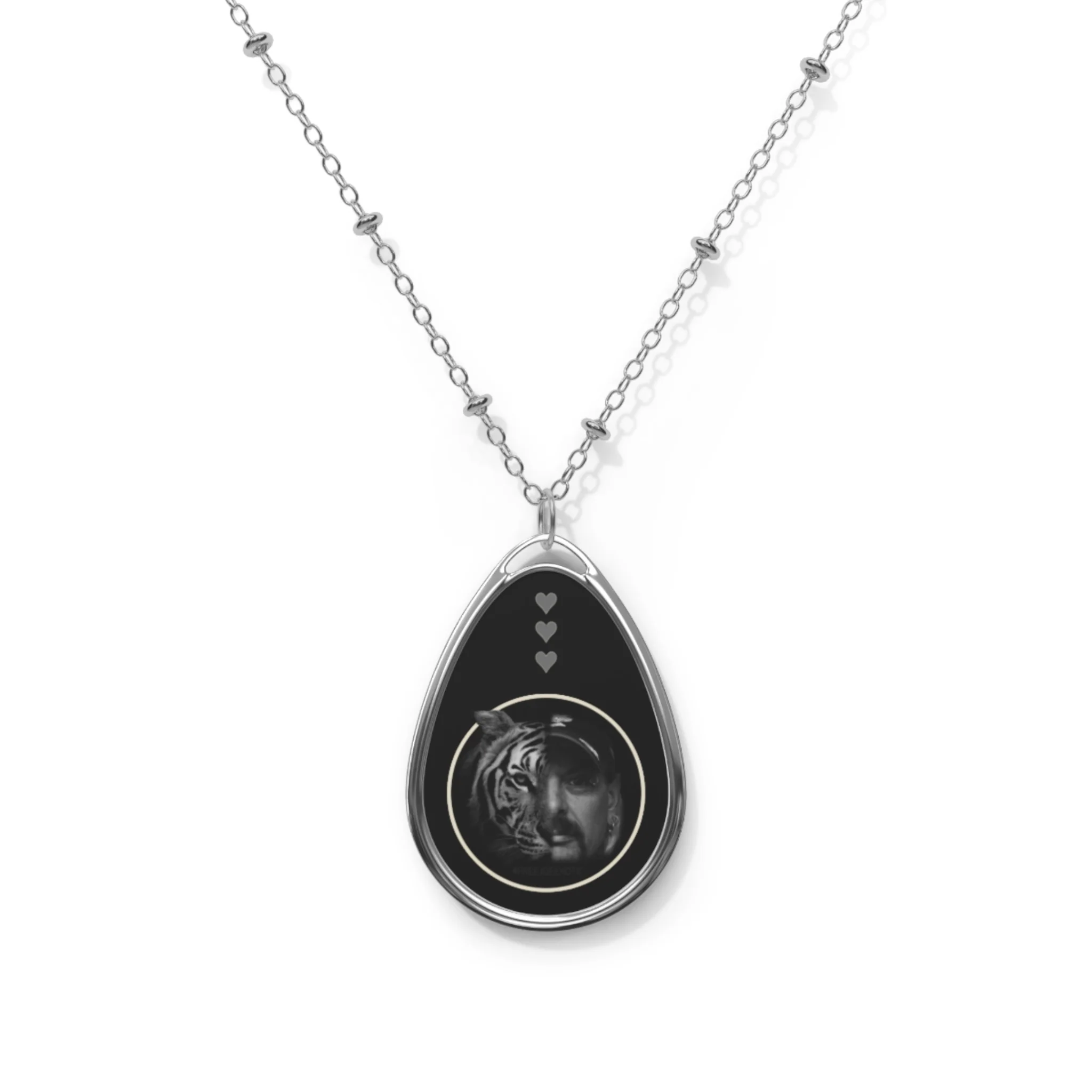
Joe Exotic, known widely as the “Tiger King,” has become a cultural phenomenon since the release of the Netflix documentary series of the same name in March 2020. The series captivated audiences and shed light on the mystical and often controversial world of exotic animal ownership in the United States. With a backdrop of rivalry, crime, and dramatic life events, Joe Exotic’s story presents significant implications for wildlife conservation and animal rights activism.
Background of Joe Exotic
Born Joseph Allen Maldonado-Passage in 1963, Joe Exotic operated the Greater Wynnewood Exotic Animal Park in Oklahoma. He gained fame as a zookeeper who bred and exhibited exotic animals, including tigers, lions, and bears, often engaging the public with flamboyant personality and online antics. However, behind the flashy exterior lay a complex life characterized by numerous legal issues, financial struggles, and contentious relationships with fellow animal advocates.
Legal Troubles
Joe Exotic’s life took a dramatic turn when he was convicted in 2019 on multiple charges, including two counts of murder for hire related to his long-standing feud with animal rights activist Carole Baskin. In January 2020, he was sentenced to 22 years in federal prison. His arrest and trial not only dominated media headlines but also sparked a national debate on the ethics of private zoos and the welfare of exotic animals.
The Impact of ‘Tiger King’
The release of “Tiger King” turned Joe Exotic into a household name, with the series generating significant public interest in his life and the controversial practices surrounding exotic animal breeding. The documentary raised awareness about animal rights issues, leading to increased scrutiny of private zoos. It also inspired a slew of memes and merchandise, highlighting how viral culture impacts real-world issues.
Current Developments
As of 2023, Joe Exotic remains incarcerated but has been vocal about seeking a pardon from President Biden, claiming his trial was unjust. His story continues to resonate with audiences, with various discussions about a potential sequel or spin-off to the original documentary series. Several animal welfare groups have utilised the momentum gained from the show to advocate for stricter regulations against private ownership of large exotic cats.
Conclusion
Joe Exotic’s journey reflects the complexities of fame and the consequences tied to wildlife exploitation. As debates surrounding animal rights continue, the conversations ignited by “Tiger King” serve as a poignant reminder of the responsibility we bear in protecting endangered species. The influence of his story is likely to echo in both popular culture and animal protection efforts for years to come, ensuring that the Tiger King remains a central figure in discussions of ethical animal ownership.