









Introduction
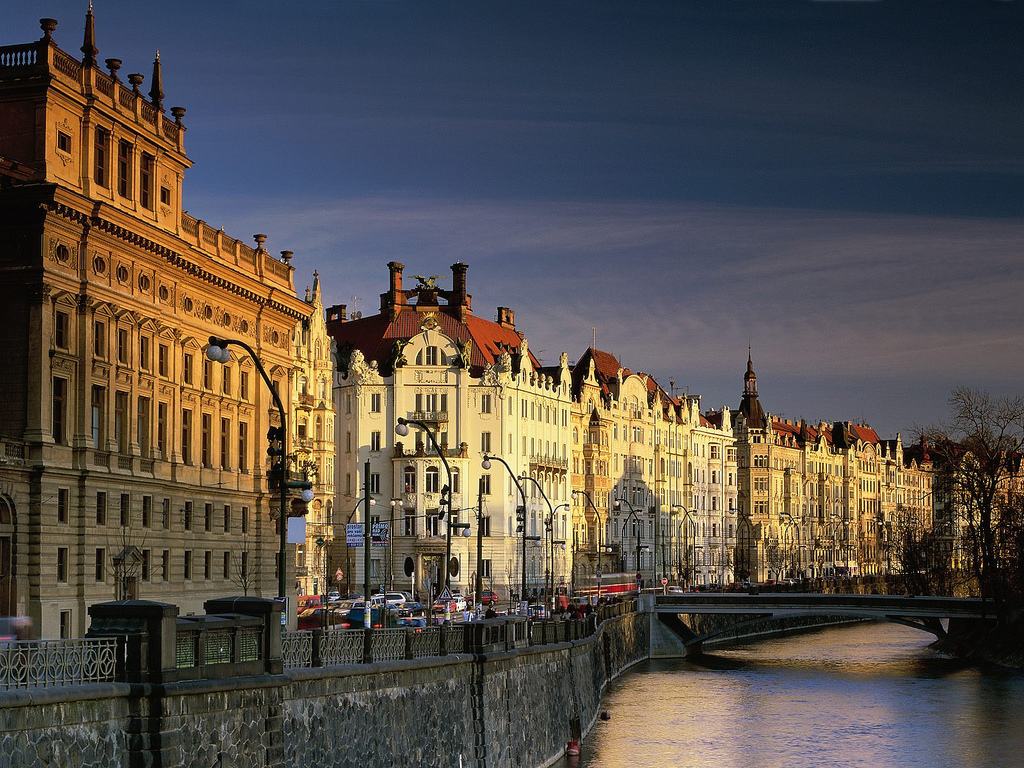
Prague, the capital of the Czech Republic, is a city that beautifully marries historic charm with vibrant modernity. Renowned for its stunning architecture, rich history, and vibrant cultural scene, Prague attracts millions of tourists each year. As one of Europe’s most captivating destinations, its relevance extends beyond tourism, influencing art, history, and even politics throughout the region.
Historical Significance
Founded in the 9th century, Prague has been a significant political and cultural centre in Europe. The city is home to architectural masterpieces, including the Gothic St. Vitus Cathedral and the Baroque palaces of the Lesser Town. The iconic Charles Bridge, completed in the 15th century, serves as a focal point for visitors, showcasing intricate statues that line its path. The city’s history is marked by its central role in the Holy Roman Empire, the Renaissance, and the Austro-Hungarian Empire, which has left a unique mark on its culture.
Current Events: Tourism Revival
Following the global pandemic, Prague’s tourism industry is showing signs of recovery. As travel restrictions have eased, the city has welcomed back tourists eager to experience its historic sites and vibrant festivals. Recent reports indicate that the number of visitors has dramatically increased, with estimates suggesting a return to pre-pandemic levels. The city’s famous events, such as the Prague Spring International Music Festival, are also making a comeback, enhancing its reputation as a cultural hub.
Cultural Richness
Prague is not just about historic landmarks; its cultural offerings are vast. The city hosts an array of museums, galleries, and theatres that celebrate both traditional and contemporary art. The National Museum and the Museum of Modern Art are just two examples of institutions that showcase the country’s rich art scene. Furthermore, local cuisine, featuring dishes like goulash and trdelník, provides a taste of Czech culture that complements the overall experience of visitors.
Conclusion
In conclusion, Prague remains a significant location for history and culture enthusiasts. The city’s ability to blend the old with the new makes it an enduring destination for international travellers. As tourism continues to revive and cultural events re-emerge, Prague is poised to reaffirm its status as one of Europe’s key cities. For those planning a visit or seeking insights into a city steeped in history and culture, Prague offers an experience that resonates on multiple levels, truly living up to its reputation as the ‘City of a Hundred Spires.’