








Introduction
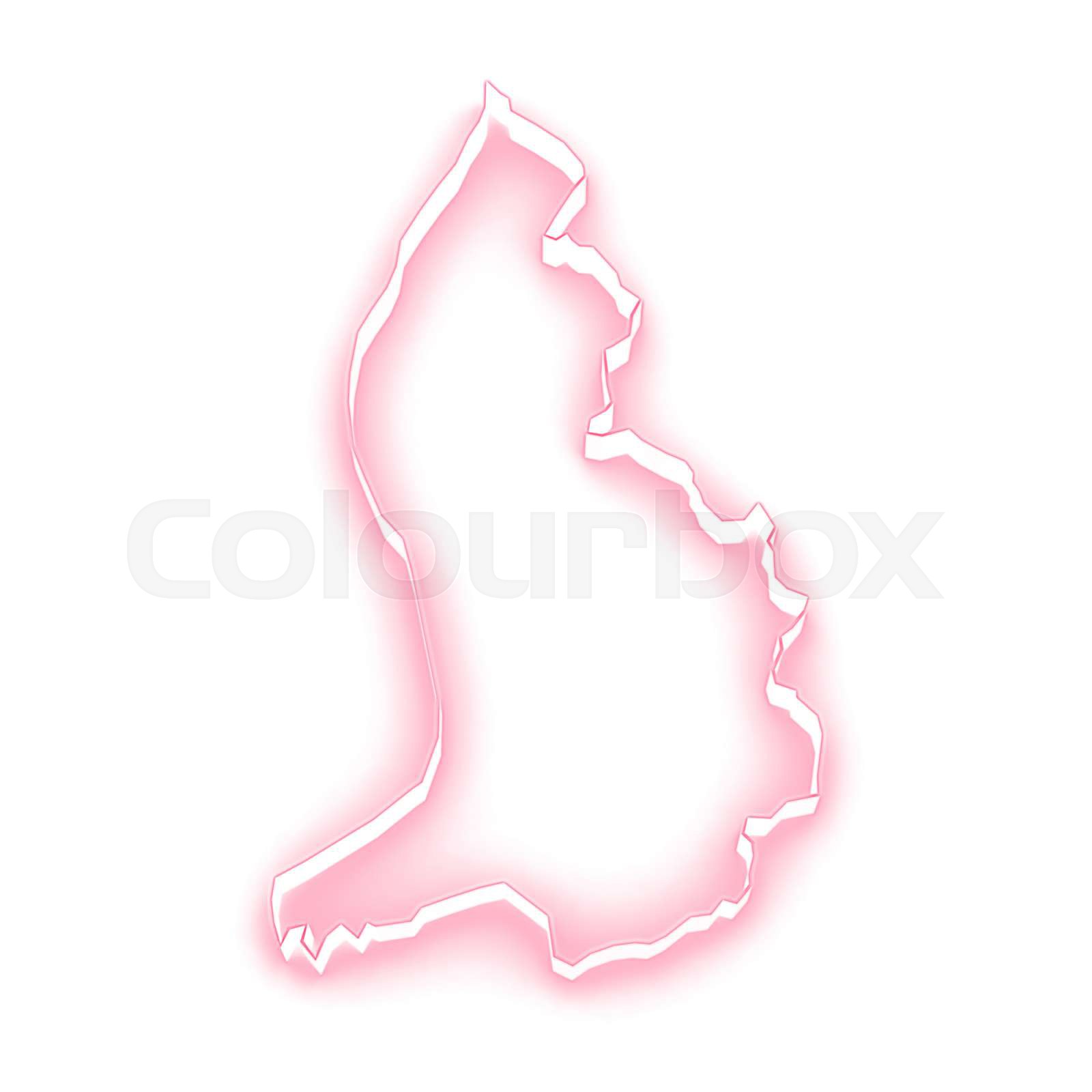
Liechtenstein, often overlooked in the shadow of its larger neighbours, is a small landlocked principality situated between Switzerland and Austria. With a population of approximately 39,000 and an area of just 160 square kilometres, Liechtenstein packs a punch with its breathtaking alpine scenery, rich history, and vibrant economy. This article delves into the significance of this hidden gem in the heart of Europe, exploring its unique position both geographically and politically.
Geographical and Political Significance
Liechtenstein is one of the last remaining principalities in Europe and is renowned for its stunning mountain vistas and picturesque villages. The capital city, Vaduz, houses the royal residence and various cultural institutions, including the Liechtenstein National Museum and the Vaduz Castle. Politically, Liechtenstein enjoys a unique status as a member of the European Economic Area but does not belong to the European Union, allowing it to maintain its own currency, the Swiss Franc.
Economy and Industry
Despite its small size, Liechtenstein boasts a strong economy, driven primarily by sectors such as finance, manufacturing, and high-tech industries. The principality is home to over 100 global companies, including prominent multinational corporations, benefiting from a stable business environment and low taxation rates. In recent years, the government has been working on diversifying the economy further to ensure long-term sustainability.
Tourism and Culture
Tourism plays a vital role in Liechtenstein’s economy, attracting visitors to its stunning landscapes and rich cultural heritage. The principality hosts several outdoor activities, including skiing in the winter and hiking in the summer. Cultural events, such as the annual Vaduz Wine Festival and various concerts, showcase the vibrant local traditions. Furthermore, visitors can explore the many museums and art galleries showcasing Liechtenstein’s artistic contributions on a global scale.
Conclusion
Liechtenstein, while small in size, is a significant player on various fronts—economically, politically, and culturally. As awareness of this charming principality grows, it is poised to attract more tourists and businesses alike. Understanding the significance of Liechtenstein is essential not only for those interested in European geography and culture but also for anyone seeking to explore a unique blend of tradition and modernity in a picturesque setting. In the coming years, Liechtenstein could emerge as a more prominent destination for travellers and a key player in regional economic discussions.