








Introduction
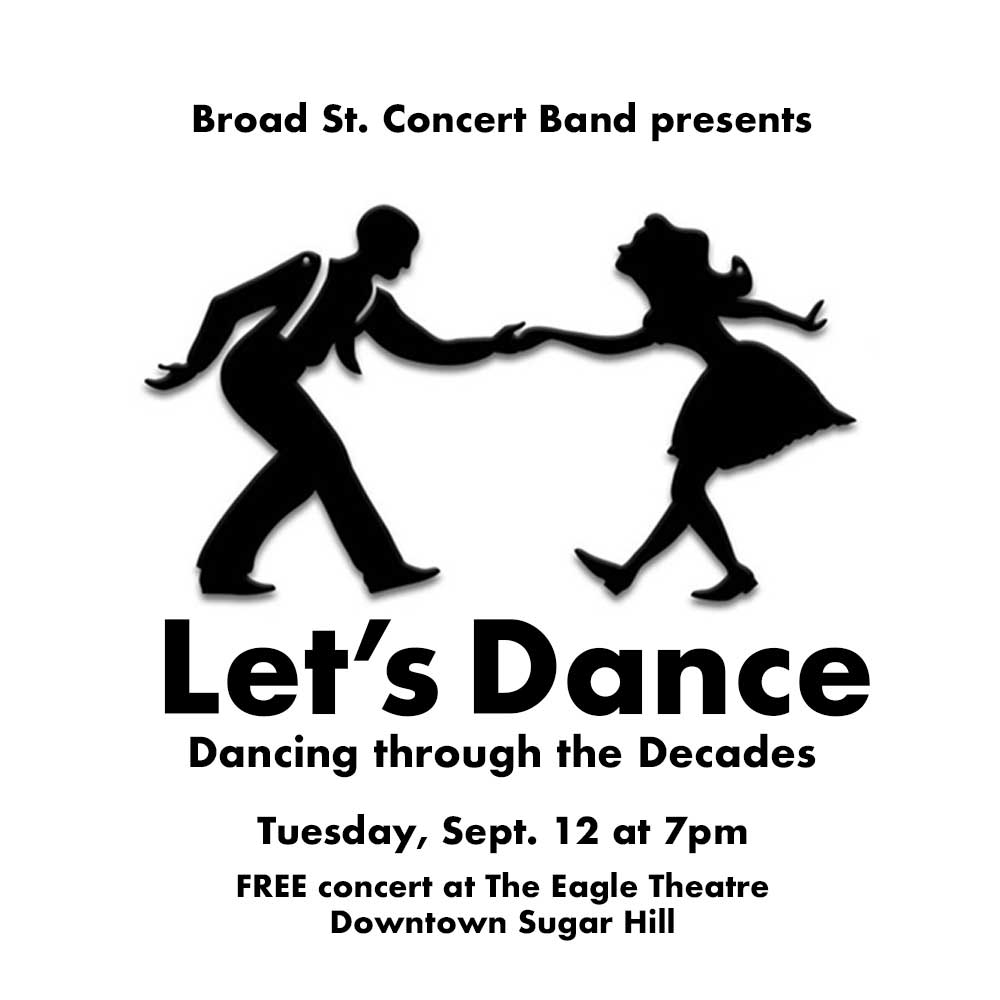
The phrase ‘Let’s Dance’ has evolved beyond a simple invitation to move; it signifies a transformative cultural movement that has prompted individuals from various backgrounds to embrace rhythm, expression, and community. In recent years, this phenomenon has gained increased relevance, particularly as a means of promoting mental well-being, social connection, and even global unity.
Historical Context and Recent Developments
Initially popularised through songs and various dance shows, ‘Let’s Dance’ encapsulates a wave of creativity that has swelled worldwide. With roots dating back to traditional dance forms, the movement gained momentum in the early 2000s as social media platforms like TikTok began showcasing collaborative dances and challenges. Notably, hashtag trends such as #LetsDance have garnered millions of views, creating a space where participants can join in despite geographical boundaries.
In 2023, major events such as ‘National Dance Day’ were celebrated across the UK, encouraging individuals of all ages to partake in dance activities, underscoring the movement’s role in fostering inclusivity and cultural exchange. Renowned dance companies and community centres rallied together to host ‘Let’s Dance’ workshops, further promoting the message that dance transcends linguistic barriers.
The Importance of Dance in Mental Health
Recent studies suggest that dance can significantly enhance mental health, serving as both a physical exercise and a means of emotional release. According to the University of Brighton, dance therapy has shown effective results in reducing anxiety and depression. This aligns with the ‘Let’s Dance’ campaign which promotes not only the joy of dancing but also the mental health benefits associated with physical activity and social interaction.
Conclusion
The ‘Let’s Dance’ movement is more than just a call to move; it represents a cultural renaissance of community, joy, and well-being. As the world grapples with ongoing challenges, including the impact of the COVID-19 pandemic, initiatives promoting dance and its benefits will likely continue to grow in importance. For communities, this movement offers a pathway to connectivity, healing, and celebration, making it a significant part of the contemporary cultural landscape. The future looks promising for dance as a tool for unity and self-expression, encouraging individuals to join in and discover the power it holds in their lives.