








Introduction
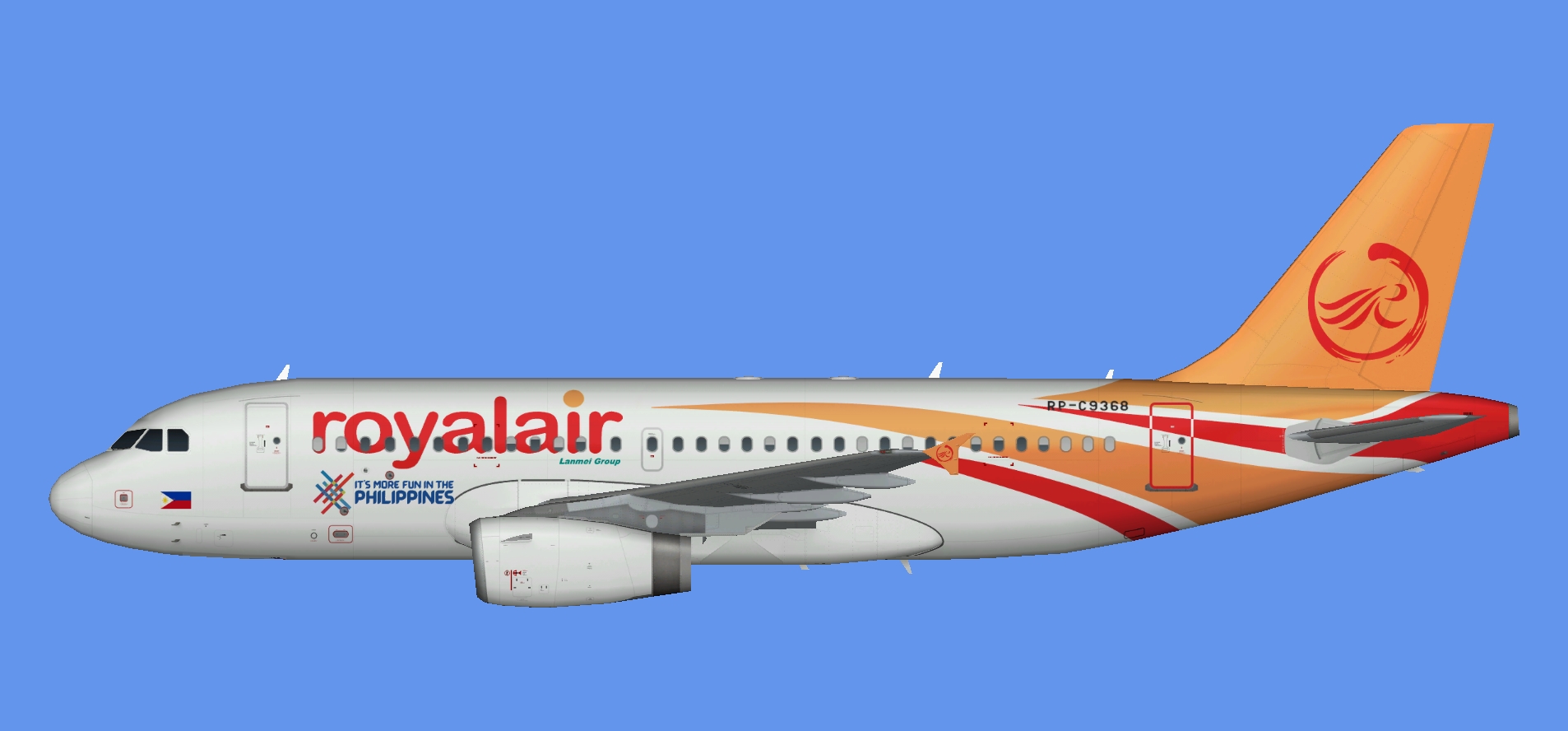
Royal Air Philippines has garnered attention recently as the airline moves towards liquidation due to ongoing financial difficulties. Established in the early 2000s, the airline aimed to capture the growing travel market in the Philippines but has struggled to withstand the pressures of the aviation industry, particularly in the wake of the COVID-19 pandemic. The current situation raises critical questions about the sustainability of smaller airlines in a recovering economy.
Background
The airline industry is known for its high operational costs, and Royal Air Philippines is no exception. In recent years, the company faced increasing debt, coupled with operational challenges that have made it difficult to remain competitive. In 2022, the airline tried to implement a recovery strategy, which included reducing its flight frequencies and restructuring debt obligations.
However, the recovery efforts proved inadequate as passenger demand remained volatile, largely due to rising fuel prices and ongoing supply chain constraints affecting the aviation sector. As a result, Royal Air Philippines announced earlier this month that it would enter liquidation, significantly affecting employees, customers, and stakeholders.
Current Status
As of October 2023, the airline is in the process of settling its financial obligations and winding down operations. The Department of Transportation and other regulatory bodies have been engaged to ensure that the liquidation process meets legal and operational protocols. Passengers with outstanding bookings have been advised to claim refunds, while employees face an uncertain future as the company navigates its legal obligations.
Implications for the Industry
The liquidation of Royal Air Philippines serves as a stark reminder of the volatility in the airline sector, especially for smaller carriers. Industry analysts suggest this event may lead to increased consolidation, where larger airlines may acquire routes or assets from struggling companies. Additionally, it raises concerns about customer confidence and travel routes in the region.
Conclusion
The liquidation of Royal Air Philippines is a significant development in the context of air travel in the Philippines. It opens discussions about the resilience and adaptability of smaller airlines in an evolving economic landscape. As the industry contemplates future recovery, stakeholders will be watching closely to see how this situation unfolds and what measures will be adopted to prevent similar fates for other regional carriers. The future of smaller airlines remains uncertain, highlighting the importance of strategic planning and financial management in facing an unpredictable market.