








Introduction
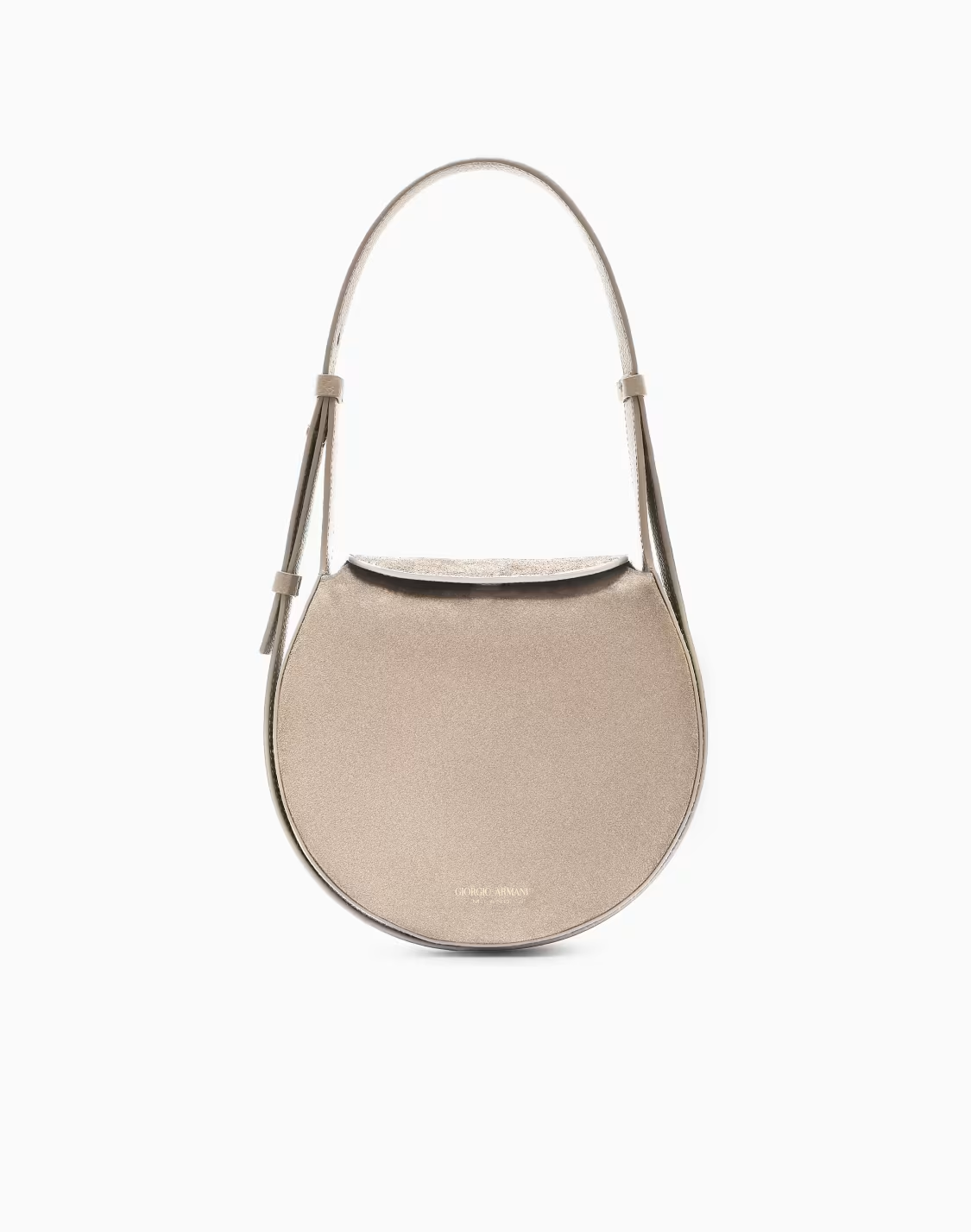
Giorgio Armani is not just a name; it is a benchmark of sophistication and elegance in the fashion industry. Since its inception in 1975, the Armani brand has redefined luxury fashion with its minimalist yet timeless designs. The significance of Armani extends beyond mere clothing; it represents an ethos of modern masculinity and femininity that resonates with millions globally. This article explores the continued relevance and influence of Giorgio Armani in today’s fashion landscape.
History and Rise to Prominence
Born in Piacenza, Italy, in 1934, Giorgio Armani began his career in the fashion industry in the 1960s. He first gained recognition for his innovative designs that broke away from the traditional silhouettes typical of women’s fashion at the time. His first collection, showcased in 1975, stood out by its use of earthy tones and luxurious fabrics, which set the stage for the ‘power suit’ that would define the 1980s. Armani’s ability to blend elegance with comfort captured the attention of Hollywood, further establishing his brand as a fashion powerhouse.
Recent Developments
In recent months, Giorgio Armani has continued to evolve his brand to cater to changing consumer preferences. The emergence of sustainable fashion has prompted Armani to focus on eco-friendly materials and practices. The spring-summer 2024 collection, showcased during Milan Fashion Week, emphasised sustainability, featuring innovative fabrics and a commitment to reducing waste. This shift illustrates Armani’s ability to remain relevant in a rapidly changing world while staying true to his core philosophy of elegance and quality.
Conclusion
Giorgio Armani’s influence on fashion cannot be overstated. As he approaches nearly five decades in the industry, his designs not only set trends but also define them. His dedication to elegance, sustainability, and innovation ensures that the Armani legacy will endure for generations to come. For fashion enthusiasts and industry professionals alike, the message is clear: Giorgio Armani is not merely a brand; it is an institution that continually shapes the future of fashion.