








Introduction
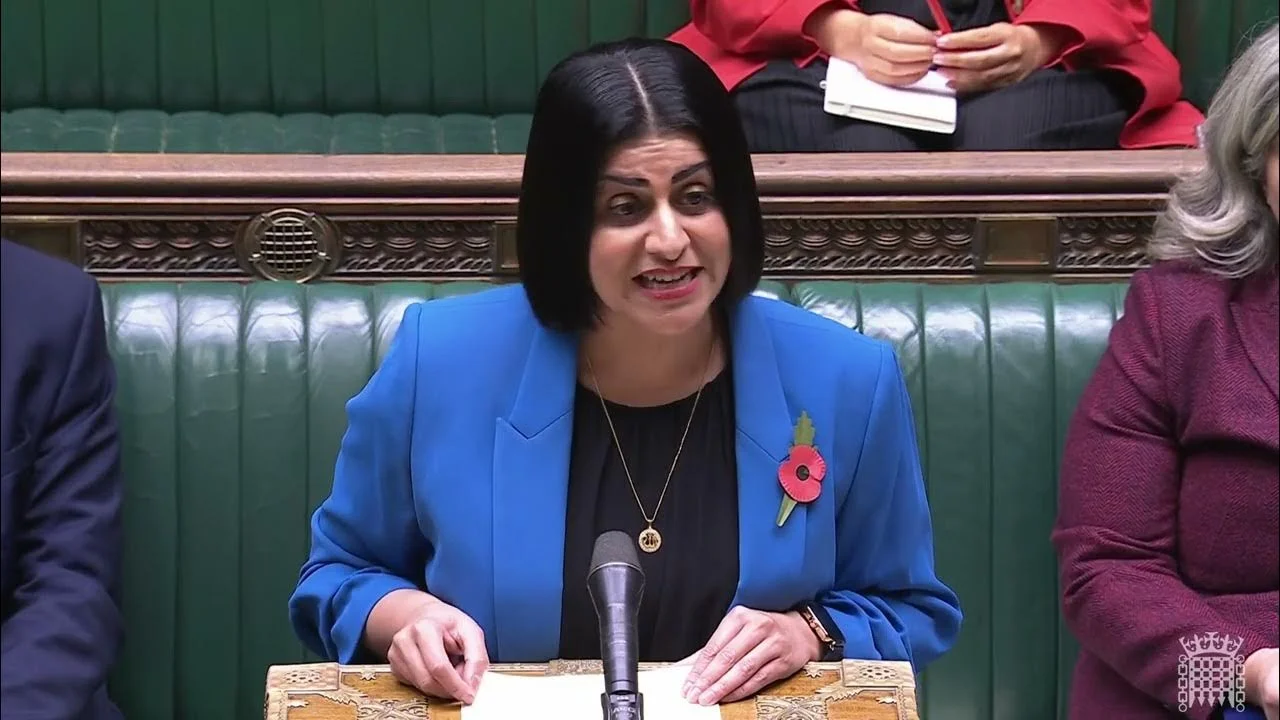
Shabana Mahmood, Member of Parliament for Birmingham, Ladywood, has emerged as a vital voice within the UK Labour Party and British politics as a whole. As one of the prominent politicians advocating for social justice and economic equality, her work resonates with many constituents and advocates throughout the country. This report will delve into the recent developments regarding Mahmood’s political career and her impact on contemporary issues.
Recent Developments
In the recent parliamentary sessions, Shabana Mahmood has been vocal about several pressing matters, particularly in the context of economic recovery post-COVID-19 and the enduring effects of inflation on ordinary families. Mahmood raised concerns about the rising cost of living, urging the government to take action to alleviate financial pressures on constituents. Her proposals include advocating for increased support for vulnerable families and investing in job creation initiatives that can stimulate the economy.
Moreover, Mahmood has positioned herself as a leading figure within the debate on racial equality and representation in politics. She has actively participated in initiatives aimed at increasing diversity within the Labour Party and the wider political landscape, highlighting the importance of having a parliament that reflects the society it serves.
Commitment to the Constituency
Representing Birmingham, Ladywood, Mahmood’s connection with her constituency underlines her commitment to grassroots engagement. She has been instrumental in local campaigns addressing education, healthcare, and community safety. Recently, she announced new funding aimed at enhancing local services and supporting initiatives to improve public health and wellbeing, showcasing her dedication to her constituents’ needs.
Conclusion
In conclusion, Shabana Mahmood’s role in UK politics continues to grow as she tackles critical issues that affect the everyday lives of her constituents and the nation. Her advocacy for economic fairness and racial equality highlights the need for progressive leadership within the Labour Party and British politics at large. As we look ahead, Mahmood’s influence will likely remain significant, especially as discussions around recovery from the pandemic and socio-economic reforms intensify. Her active involvement in these dialogues points toward a future where the voices of underrepresented communities are increasingly heard and valued in political discourse.