









Introduction
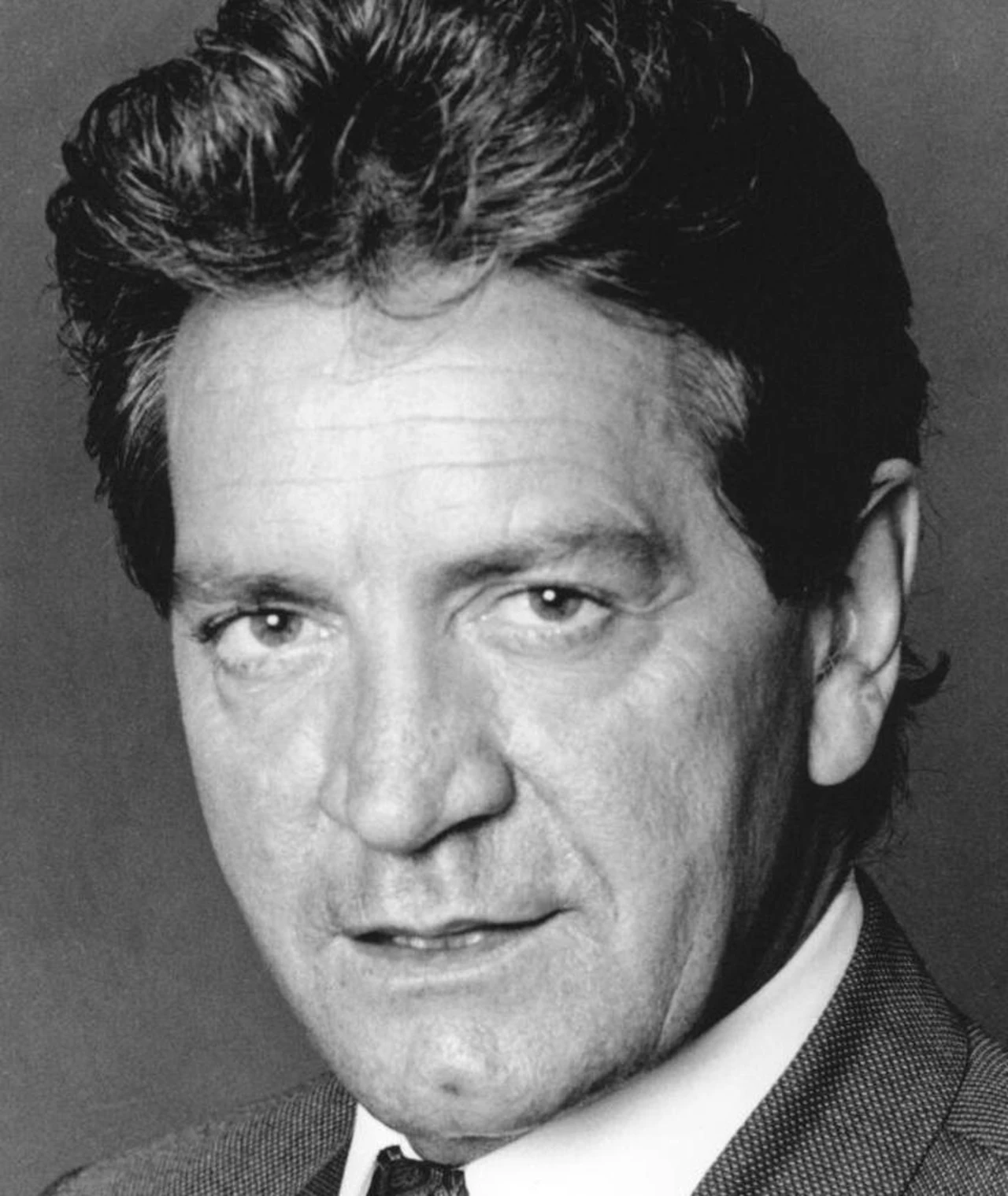
Patrick Mower has been a prominent figure in British television and theatre for several decades, known for his versatile acting skills and captivating performances. His career spans over 50 years, making him one of the most recognisable faces in the industry. Mower’s contributions to both stage and screen have not only earned him a loyal fan base but also a significant place in the heritage of British entertainment.
Career Highlights
Mower was born on 12th September 1940 in Sussex, England. He initially trained at the Royal Academy of Dramatic Art (RADA), setting the stage for what would become an illustrious career. He made his television debut in the early 1960s and quickly became known for his roles in popular series such as “The Man Who Wasn’t There”, and “Emmerdale”, showcasing his range as an actor.
A notable breakthrough came in the 1970s when he joined the cast of the iconic British soap opera “Emmerdale”, playing the character of Greg in the original series. His portrayal resonated with audiences and showcased his ability to bring depth to complex characters.
In addition to television, Mower’s theatre work is equally commendable. He has appeared in numerous stage productions, including classics by Shakespeare and contemporary dramas, proving his versatility and commitment to his craft. His background in theatre has significantly enriched his television performances, allowing him to bring a level of professionalism and emotional intelligence that is often appreciated by both critics and fans alike.
Recent Activities and Legacy
In recent years, Mower has continued to remain active in the entertainment industry. He has appeared in various documentaries exploring the history of British television, providing insights into the changes within the industry over the decades. Furthermore, Mower regularly participates in interviews and public speaking events, sharing his experiences and the lessons learned throughout his career.
Patrick Mower’s influence extends beyond his roles on screen; he is also an advocate for the arts, encouraging young talents to explore their passion for acting. His dedication to the craft and mentorship has inspired many aspiring actors in the UK and beyond.
Conclusion
As Patrick Mower continues to engage with audiences through various platforms, his legacy as a foundational figure in British entertainment remains strong. His devotion to acting and the arts signifies the importance of tradition in the evolving landscape of storytelling. For fans and newcomers alike, Mower’s story serves as a reminder of the enduring impact of skilled performers on our cultural landscape.