








Importance of the Issue
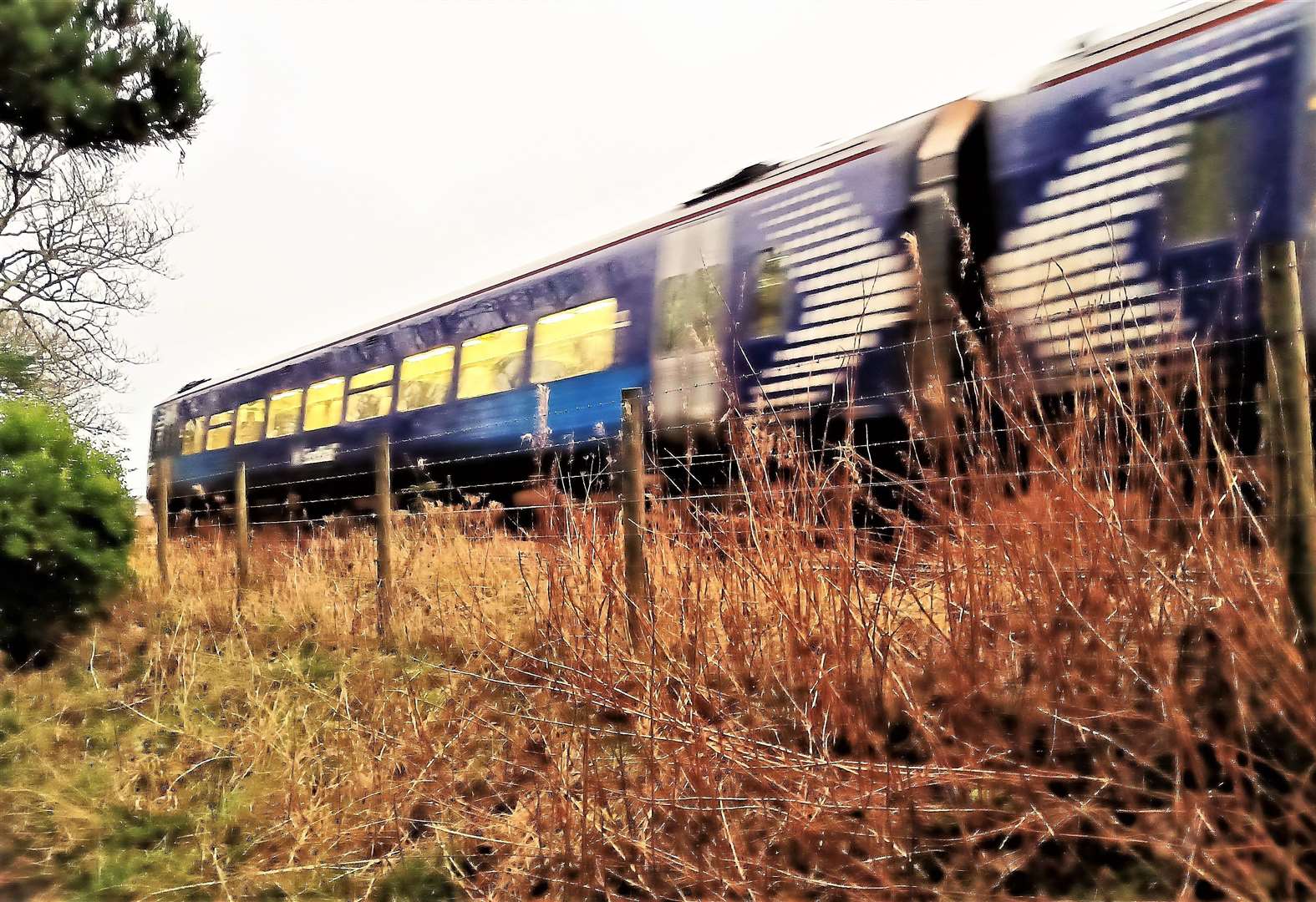
The train service between Aberdeen and Inverness is a vital transport link in Scotland, connecting two major cities and facilitating both commuter and leisure travel. Recent train cancellations have raised concerns among daily passengers and tourists alike, highlighting the impact of service reliability on travel plans and local economies.
Details of the Cancellations
On 20th October 2023, several trains scheduled to run between Aberdeen and Inverness were cancelled due to unforeseen technical issues and staffing shortages. According to ScotRail, the operator of the service, disruptions are expected to continue throughout the week. Passengers have reported significant delays and a lack of alternative options, with some Rail Replacement Bus Services failing to meet demand.
The cancellations have affected morning and evening peak services, which are crucial for commuters. Train operators have advised passengers to check live updates before travelling, as some services may operate at reduced capacity. Social media has been abuzz with complaints from frustrated travellers, many of whom have faced difficulties in rearranging their schedules due to the sudden outages.
Factors Behind the Disruptions
Industry experts suggest that the recent spike in cancellations is due to a combination of factors including ageing infrastructure, a backlog from previous delays caused by adverse weather conditions, and ongoing staff shortages as a result of strikes and resignations. The situation has prompted calls for increased investment in railway infrastructure and a better management strategy to prevent future cancellations.
Response and Future Outlook
In response to the mounting criticism, ScotRail has pledged to work toward a resolution, stating that they are actively recruiting additional staff and seeking to improve operational processes. They have also initiated a review of their current systems to better manage disruptions moving forward.
As a result of these cancellations, local businesses reliant on tourist traffic during the autumn season may see a decline in revenue, with forecasts indicating the potential for a significant impact if the issue persists. In light of these events, passengers are urged to stay informed about the situation and consider alternative means of transport where possible.
Conclusion
The train cancellations between Aberdeen and Inverness not only underscore the importance of reliable transport services but also highlight the underlying issues in the UK rail network. Stakeholders will need to address these concerns effectively to restore trust among passengers and ensure the sustainability of service in the future.