









Introduction
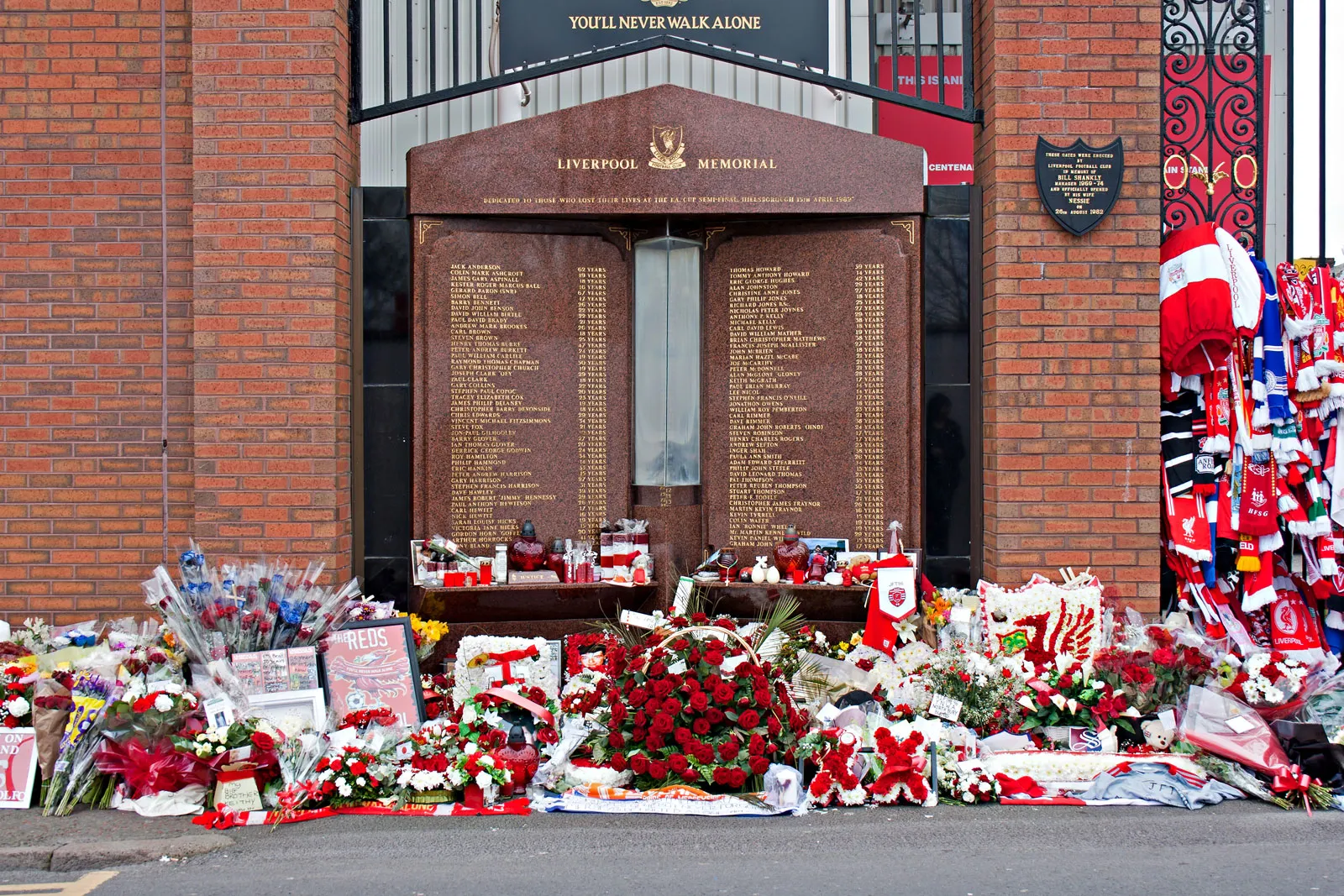
The Hillsborough disaster, which occurred on 15 April 1989, remains one of the darkest days in British football history. During the FA Cup semi-final match between Liverpool and Nottingham Forest, a catastrophic crowd crush resulted in the deaths of 96 Liverpool fans, making it not only a tragic event for the families involved but also a pivotal moment that sparked significant changes in stadium safety regulations and fan treatment across the UK.
Details of the Disaster
At approx. 3:06 PM, as the gates to the Leppings Lane stand were opened to alleviate congestion outside, a surge of fans entering the already overcrowded enclosure led to chaos. Trapped against the fencing, supporters struggled to breathe and move, leading to a devastating loss of life. Emergency services were overwhelmed and mismanaged the situation, delaying vital assistance for those in need.
The tragedy highlighted severe deficiencies in crowd control and stadium design, especially in older grounds like Hillsborough, which could not adequately accommodate large crowds. The immediate aftermath led to public outcry, not only for the victims’ families seeking justice but also for the need to reform football governance and safety protocols.
Inquest and Aftermath
Following the disaster, the initial inquiry led to findings that were heavily criticized and widely perceived as a cover-up. The media’s portrayal of the Liverpool fans as hooligans further exacerbated public sentiment against the victims. However, following persistent campaigns by the victims’ families, the inquest was reopened in 2012. This led to a conclusion in 2016 that the 96 fans were unlawfully killed due to police incompetence. The Hillsborough Independent Panel report was pivotal in exposing the truth and increasing accountability among authorities.
Significance and Future Outlook
The Hillsborough disaster not only transformed the landscape of football safety in the UK, leading to the introduction of all-seater stadiums and enhanced safety protocols but also influenced broader discussions on justice for victims of state negligence. The ongoing fight for accountability serves as a reminder of the need for vigilance regarding public safety, especially in large gatherings.
As we mark anniversaries of this tragedy, it is crucial for both the football community and society at large to remember the lives lost and ensure that the lessons learned continue to prevent such disasters in the future. The Hillsborough disaster stands as a testament not just to the importance of sport but to the rights and safety of every individual who participates in it.