








Introduction
Leadership development has become a crucial aspect of organisational success in today’s rapidly changing business environment. As companies strive to adapt to evolving market demands, the need for effective leaders who can inspire, motivate, and guide teams has never been greater. Leadership development equips emerging leaders with the skills necessary to navigate complex challenges while fostering a culture of growth and innovation.
Growing Demand for Leadership Skills
Recent studies have shown that nearly 70% of employees cite lack of leadership development opportunities as a reason for job dissatisfaction. In response, many companies have implemented robust leadership training programs that focus on critical thinking, emotional intelligence, strategic vision, and effective communication. With the rise of remote work and varied team dynamics, the ability to lead teams successfully is more important than ever.
Current Trends in Leadership Development
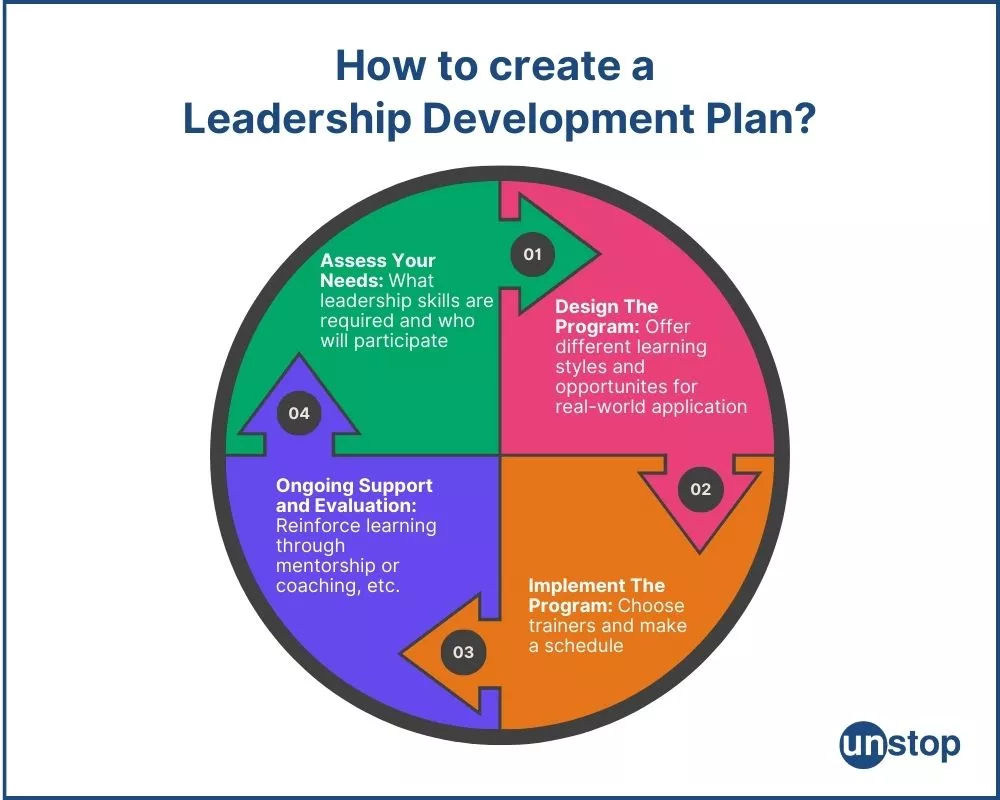
Organisations are increasingly adopting blended learning approaches that combine face-to-face workshops with online modules to cater to diverse learning preferences. According to a report by the Association for Talent Development (ATD), companies that invest in comprehensive leadership development programmes are 2.5 times more likely to be top-performing organisations. Additionally, mentoring and coaching are emerging as vital components of leadership development, as they provide personalised guidance and opportunities for real-time feedback.
Challenges and Opportunities
Despite the growing emphasis on leadership development, there are significant challenges to consider. Many organisations still struggle to identify potential leaders within their workforce, often overlooking talent that may not fit traditional leadership moulds. Moreover, aligning leadership development initiatives with broader organisational goals remains a complex task, calling for strategic planning and investment from the top down.
Conclusion
The landscape of leadership development is continuously evolving, driven by the need for agile, innovative leaders who can thrive in uncertainty. For organisations, investing in leadership development not only enhances employee engagement and retention but also cultivates a sustainable competitive advantage. As we move forward, firms that prioritise the development of strong leadership capabilities are likely to excel in their industries, fostering an environment where talent can flourish and the organisation can adapt to future challenges.